Pakistan Food Safety: 1,700kg of Hazardous Fish Seized in Kohat
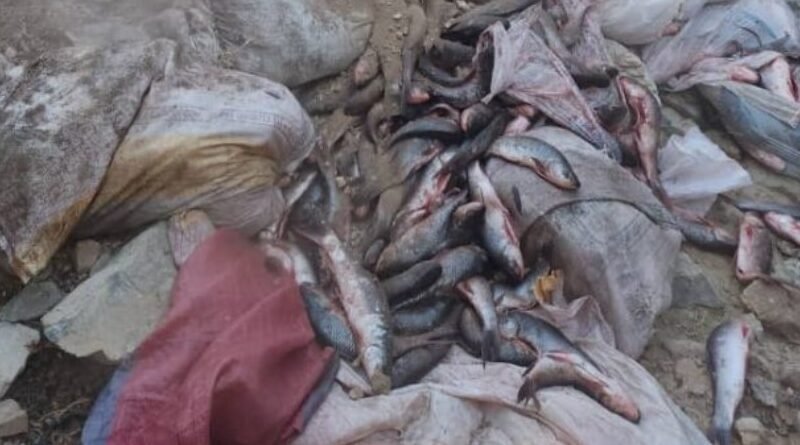
The Khyber Pakhtunkhwa Food Safety and Halal Food Authority (KP FS&HFA) has seized and destroyed 1,700 kilograms of stale and hazardous fish transported from Karachi to Kohat in a passenger coach. The fish was discovered concealed in hidden compartments during an inspection prompted by a tip-off, raising concerns about food safety, seafood transportation and public health protection.
The incident highlights the importance of maintaining the cold chain, food hygiene standards and seafood traceability during long-distance transportation. Without proper temperature control and verifiable transportation records, fish can deteriorate and pose health risks to consumers. Effective food safety inspections and enforcement are therefore essential to prevent unsafe seafood from entering the supply chain.

Cold Chain Violations and Missing Transportation Records
According to the authority’s spokesperson, the Kohat Food Safety team searched the passenger coach after receiving information about the concealed consignment. Officials found the fish stored in secret compartments, and the entire quantity was disposed of at a designated dumping site because of its hazardous nature and potential threat to public health.
The inspection revealed serious violations of food hygiene standards. The required cold chain had not been maintained, and the owner failed to provide the necessary traceability and transportation records.
An FIR has been registered against the owner for transporting unsafe fish, and the accused has been sent to jail. Further legal proceedings are underway, the spokesperson said.
Read:Pakistan Achieves Record $500 Million in Fish and Seafood Exports
Food Authority Warns Against Unsafe Seafood Transportation
Kashif Iqbal Jilani, Director General of the Khyber Pakhtunkhwa Food Safety and Halal Food Authority, said strict legal action would be taken against those who endanger public health by transporting or selling unsafe food products.
He added that the authority would continue enforcement operations across the province to prevent the transportation and sale of substandard and hazardous food items and ensure access to safe food for citizens.
The director general also urged the public to promptly report information about the sale, purchase or transportation of unsafe food products to the Food Authority, enabling officials to take timely action against those involved.
Why Seafood Cold-Chain Compliance Matters
The seizure underscores the role of cold-chain management, food safety compliance and supply-chain traceability in protecting consumers. Fish is highly perishable, making proper temperature control and hygienic handling essential throughout transportation and storage.
Consistent inspections, accurate transport documentation and compliance with food safety requirements can help authorities identify unsafe consignments before they reach consumers. The case also highlights the need for stronger monitoring of seafood transportation routes to protect public health and maintain confidence in the seafood supply chain.