Iran Reports Seven Tankers Hit in Strait of Hormuz
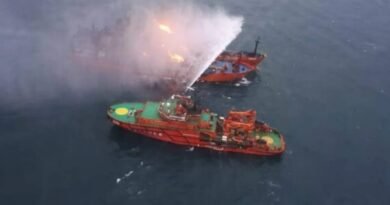
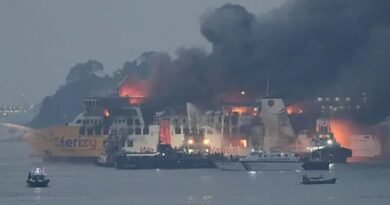
Iranian authorities said seven oil tankers caught fire or were damaged overnight in the Strait of Hormuz, either after being hit by Iran or striking naval mines. The claims, reported by Iranian state television on Thursday, have heightened concerns over maritime security, global oil supplies and energy prices amid growing fears of renewed US-Israeli attacks on Iran. The Maritime current news could not independently verify the reported incidents.
The reported damage comes as commercial shipping faces mounting uncertainty across the Middle East. Further military escalation could increase marine insurance premiums, freight costs and global oil price volatility, placing additional pressure on international energy trade. Although oil producers have sought to maintain crude exports, continued insecurity around the strait could make shipments more expensive and disrupt supply chains.

Tehran’s Warning Puts Commercial Shipping on Alert
Iranian state television attributed the reported attacks to the Islamic Revolutionary Guard Corps (IRGC) Navy, which renewed its threat to target US military bases in the region if Washington continued helping commercial vessels navigate the Strait of Hormuz.
The broadcast did not report casualties. The United Kingdom Maritime Trade Operations (UKMTO), a British maritime security monitoring organisation, did not report the latest alleged attacks, although it has noted growing reluctance among some shipping operators to disclose incidents.
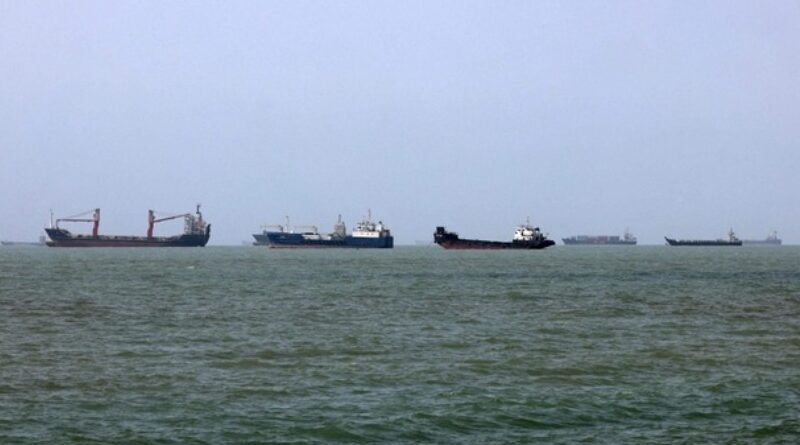
Iran continues to assert control over the waterway, using its strategic position as leverage in negotiations with Washington. The strait is a critical passage for international energy shipments, making safe navigation a priority for shipowners, energy traders and governments concerned about the reliability of global oil supplies.
According to UKMTO, October has recorded the highest number of reported attacks on commercial shipping since March, during the conflict’s opening weeks. The latest claims add to concerns about vessel safety and the commercial risks associated with operating in the region.
Rising Iran Tensions Threaten Commercial Shipping
Renewed military tensions between Iran, the United States and Israel have heightened concerns over maritime security, commercial shipping and global oil supplies. Further escalation could expose merchant vessels to greater risks and disrupt the movement of energy shipments through strategically important waterways.
For the maritime industry, renewed hostilities could complicate cargo operations, increase shipping insurance premiums and raise the cost of transporting crude oil, natural gas and other essential commodities. Continued uncertainty around the Strait of Hormuz could also place additional pressure on international energy supply chains and global oil prices.
Diplomatic Openings Narrow as Military Deployments Grow
Iranian Foreign Minister Abbas Araghchi said on Wednesday that Tehran remained open to diplomacy while prepared to defend itself. Iranian officials have also indicated that the country has drawn important military lessons from the conflict, which began with US and Israeli attacks on February 28.
Tehran has recently signalled that potential targets could expand to include critical infrastructure, such as undersea cables and data centres. Such threats broaden the security concerns beyond conventional military facilities to infrastructure supporting international communications and maritime logistics.
The United States, meanwhile, is sending additional military assets to the region, including a third aircraft carrier and thousands of troops. These deployments add to what the supplied report describes as the largest concentration of American warships and aircraft in the Middle East in decades.
Mediators are continuing efforts to bring Washington and Tehran back to formal negotiations. Iran is promoting a proposal under which the war would end and the Strait of Hormuz would fully reopen within seven days, provided the United States meets several conditions, including ending its blockade of Iranian ports.
The conditions resemble those in an agreement that collapsed within days of being signed in June. US President Donald Trump rejected Iran’s seven-day proposal in late September, although both sides have acknowledged that indirect discussions have continued.
Read:US Forces Disable Cargo Ship in Gulf of Oman amid Iran Naval Blockade
Energy Markets Face Mounting Maritime Risks
The economic consequences of renewed fighting could extend well beyond the immediate conflict zone. A prolonged disruption to shipping through the Strait of Hormuz would complicate the movement of crude oil, natural gas and related commodities, including fertilizer, while increasing pressure on international transport and energy costs.
Oil producers have found ways to maintain crude exports despite the disruption, but experts cited in the supplied report say these arrangements are becoming increasingly expensive. Higher vessel operating costs, insurance premiums and freight charges could translate into more expensive deliveries and additional volatility in energy markets.
Mohsen Rezaei, head of Iran’s Supreme National Security Council, acknowledged this week that a prolonged US blockade would impose economic costs on Iran. However, according to Iran’s state-run IRNA news agency, he argued that economic hardship did not necessarily amount to strategic collapse.
For shipowners, charterers and energy traders, the central concern is whether commercial vessels can continue operating safely and predictably. Even when exports remain possible, uncertainty over access to shipping routes can complicate scheduling, raise operating expenses and expose businesses to greater financial risk.
Read:Strait of Hormuz Shipping Crisis Escalates as US and Iran Target Oil Tankers
Red Sea Insecurity Broadens the Shipping Threat
The maritime security situation has become more complicated as fighting involving Yemen’s Iran-backed Houthis and Saudi Arabia has intensified. Saudi Arabia supports a coalition aligned with Yemen’s internationally recognised government, which is fighting the Houthi movement.
Repeated deadly Houthi attacks on airports and other facilities inside Saudi Arabia have increased pressure on the kingdom, a close US ally that has sought military assistance.
The escalation has also raised concerns about the Bab el-Mandeb Strait, a strategic shipping corridor at the southern end of the Red Sea. Instability around this passage, alongside the risks surrounding the Strait of Hormuz, could create further challenges for commercial shipping and international trade.
The two waterways occupy strategically important positions in regional maritime networks. A worsening security environment across both corridors could increase the difficulty of planning reliable shipping routes and maintaining predictable delivery schedules for energy and other essential cargoes.
Strategic Waterways at the Centre of a Wider Crisis
The reported tanker incidents, expanding military deployments and uncertain diplomatic efforts point to a fragile security environment for international shipping. Iran has indicated that it remains open to diplomacy while maintaining its warnings, leaving the prospect of further escalation unresolved.
For global energy markets, the consequences will depend largely on the duration and extent of any disruption. Sustained insecurity could increase marine insurance costs, place additional pressure on oil and gas deliveries and intensify volatility in international commodity markets.
The immediate challenge for the maritime sector is to assess the evolving security situation while protecting vessels, crews and cargoes. Whether diplomatic efforts can prevent renewed large-scale fighting will be critical to the stability of the Strait of Hormuz, the Red Sea and the wider international shipping network.