US Forces Disable Cargo Ship in Gulf of Oman amid Iran Naval Blockade
US forces have struck and disabled a commercial cargo ship in the Gulf of Oman after its crew allegedly ignored repeated warnings and attempted to breach the US naval blockade of Iranian ports, according to US Central Command (CENTCOM). The incident highlights growing maritime security risks, disruptions to commercial shipping, and the potential impact of regional tensions on international trade and vessel operations.
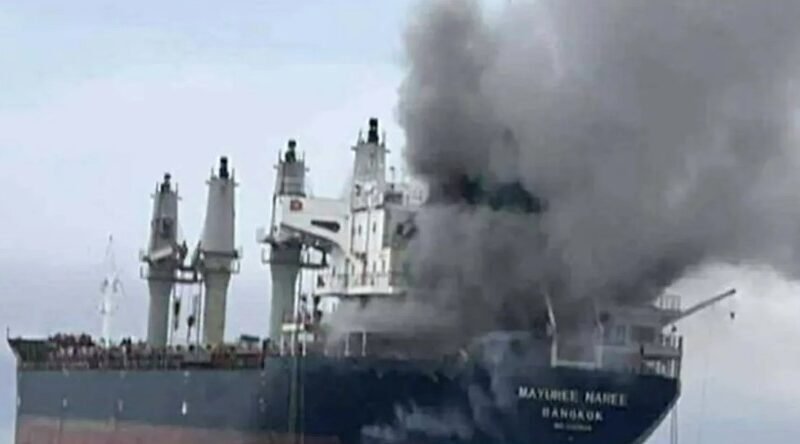
CENTCOM said a fighter jet struck the stern of the Panama-flagged vessel M/V Ocean Molica, also known as the Arika Sun, disabling its propulsion system. No crew members were injured, according to the US military. The vessel had departed an Iranian port and was attempting to transit regional waters when US forces intercepted it.

The strike comes amid renewed enforcement of the US naval blockade of Iranian ports, which Washington resumed on July 14, two days after Iran announced the closure of the strategic waterway following renewed US attacks on July 8. CENTCOM reported that enforcement operations over three months had resulted in four commercial vessels being disabled and 135 ships being turned away.
The US military also said its forces had destroyed 10 tankers linked to the Islamic Revolutionary Guard Corps’ (IRGC) oil transportation network during the same period. These operations underscore the increasing exposure of commercial shipping, tanker operations, and maritime logistics to geopolitical tensions and naval enforcement measures.
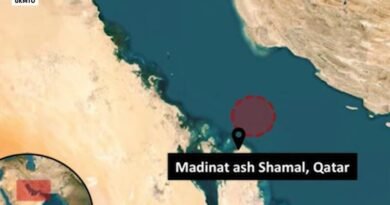
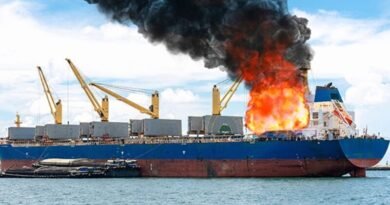
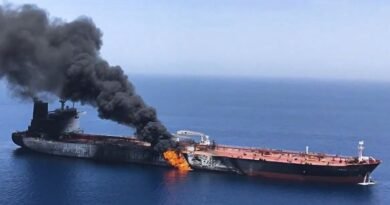
Separately, the UK Maritime Trade Operations (UKMTO) reported on Sunday that a tanker caught fire after being struck on its port side by an unidentified projectile in the Strait of Hormuz. The crew was reported safe. The IRGC said late Saturday that an oil supertanker had struck a naval mine and exploded while attempting to leave the strait through an unauthorized route.
It remains unclear whether the UKMTO and IRGC reports concerned the same vessel or whether either incident was connected to the strike on the Ocean Molica. The available information does not establish a direct link between these incidents.
CENTCOM urged commercial vessels operating in the Gulf of Oman and near the Strait of Hormuz to comply with blockade instructions, monitor maritime security notices, and maintain communication with US naval forces. Iran has separately warned that vessels using routes outside those designated by Iranian authorities, or attempting to transit the strait without permission, could face targeting.
The developments come amid a wider conflict that began on February 28, when the United States and Israel launched military operations against Iran. Tehran has reported more than 3,000 deaths. Iran retaliated with attacks that killed Americans and Israelis before a ceasefire was reached in April. The United States subsequently conducted additional strikes on Iranian sites as negotiations between Washington and Tehran stalled, despite the signing of a framework agreement in June.
Disagreements over navigation through the strategic waterway remain a central obstacle to diplomatic progress. The latest incidents highlight the importance of safe passage, clear maritime communication, and predictable navigation arrangements for commercial operators. Continued uncertainty around the Strait of Hormuz and the Gulf of Oman could complicate vessel routing, tanker movements, insurance assessments, and international shipping schedules.
For the global maritime industry, the situation reinforces the need for shipowners, charterers, and maritime logistics companies to monitor official navigational warnings and assess operational risks carefully. The status of the reported tanker incidents and their possible relationship to the wider blockade remains unconfirmed.