Maersk Ends Heavy Load Surcharge on Far East Asia–Mediterranean Shipping Route from August 2026
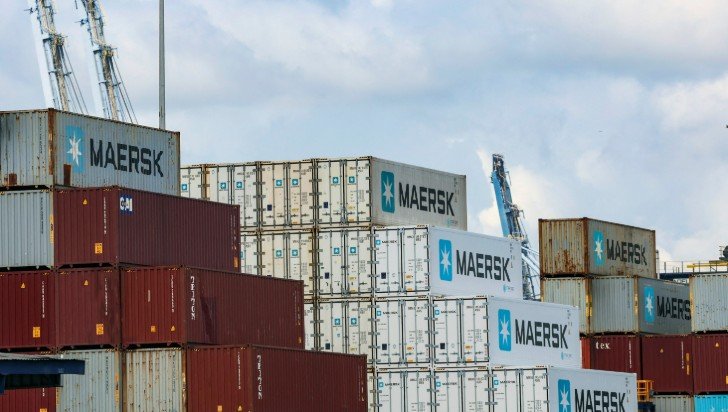
Maersk has announced the expiry of the Heavy Load Surcharge (HWS) applicable to container shipments from Far East Asia to the Mediterranean trade route, effective from the Price Calculation Date (PCD) of 12 August 2026. The removal of this surcharge is expected to improve shipping cost transparency, container logistics efficiency, and supply chain competitiveness for businesses engaged in Asia–Mediterranean maritime trade.
According to Maersk’s official customer advisory, the Heavy Load Surcharge will no longer apply to shipments originating from major Far East Asian economies, including Brunei, China, Hong Kong China, Indonesia, Japan, Cambodia, Mongolia, South Korea, Laos, Myanmar, Malaysia, Philippines, Singapore, Taiwan China, Thailand, and Vietnam.
The updated surcharge policy covers Mediterranean destinations including Albania, Bulgaria, Cyprus, Algeria, Egypt, Spain, France, Georgia, Greece, Croatia, Israel, Italy, Lebanon, Libya, Morocco, Montenegro, Malta, Portugal, Romania, Slovenia, Syria, Tunisia, Turkey, and Ukraine, along with other European destinations that utilize Mediterranean final discharge ports.
Impact on Global Maritime Trade and Container Shipping Costs
The elimination of HWS represents a significant adjustment in international container shipping rates amid changing dynamics in global logistics markets. Heavy Load Surcharge is traditionally applied when cargo exceeds standard weight thresholds, reflecting additional operational costs associated with vessel capacity management, terminal handling, equipment limitations, and fuel consumption.
From a maritime logistics perspective, the withdrawal of this surcharge may provide relief for manufacturers, exporters, and importers moving heavy commodities between Asian production hubs and Mediterranean markets. Lower ancillary shipping costs could enhance competitiveness for industries such as machinery, construction materials, industrial goods, automotive components, and bulk-related containerized cargo.
Far East Asia–Mediterranean Trade Corridor Gains Cost Stability
The Far East Asia–Mediterranean shipping corridor is one of the world’s most important maritime trade routes, connecting major manufacturing centers in Asia with European, North African, and Middle Eastern markets. The removal of additional freight charges may support more predictable container freight pricing strategies and improve supply chain planning for global businesses.
However, industry analysts note that overall shipping costs will continue to depend on several factors, including fuel prices, port congestion, vessel capacity availability, geopolitical risks, Red Sea security conditions, and global container demand trends.
Regulatory Compliance and Booking Date Requirements
Maersk clarified that the Price Calculation Date (PCD) differs depending on regulatory requirements and booking type. For non-FMC shipments, PCD refers to the scheduled departure date of the first water leg at the time of booking confirmation. For FMC-regulated shipments, PCD is based on the last container gate-in date for non-spot bookings. For SPOT bookings, applicable rates are retrieved according to the booking confirmation date.
For trades subject to the US Shipping Act or China Maritime Regulations, Maersk stated that quotations or surcharges differing from its official tariff will not be binding unless included in an approved service contract or amendment filed with the relevant regulatory authorities, including the Federal Maritime Commission (FMC) or the Shanghai Shipping Exchange.
Intellectual Analysis: Signal of Greater Flexibility in Global Shipping Pricing
The expiry of the Heavy Load Surcharge indicates a broader shift toward flexible pricing mechanisms in the container shipping industry. As carriers face evolving market conditions, adjustments to surcharge structures can influence trade competitiveness, especially for exporters operating in high-volume Asia–Europe maritime corridors.
While the removal of HWS may reduce certain logistics expenses, companies should continue monitoring freight market trends because container shipping remains highly sensitive to geopolitical disruptions, capacity changes, and regulatory developments. The decision reflects Maersk’s efforts to optimize tariff structures while maintaining competitiveness in one of the world’s busiest maritime trade networks.
Read: Maersk Launches Integrated Cold Chain Logistics Solution Linking Chile to the U.S. East Coast