MPA Completes Solarisation of Marina South Pier to Boost Green Port Goals
Singapore’s Maritime and Port Authority (MPA) has completed the solarisation of Marina South Pier (MSP), strengthening the city-state’s commitment to renewable energy, sustainable port operations, and low-carbon maritime infrastructure. The newly installed solar photovoltaic (PV) system is expected to significantly reduce greenhouse gas emissions from shore-based maritime activities while supporting Singapore’s wider green port development and clean energy transition goals.
According to the Maritime and Port Authority of Singapore (MPA), the solarisation project marks an important milestone in the authority’s sustainability roadmap and coincides with the 20th anniversary of Marina South Pier. Opened in 2006 as a replacement for Clifford Pier, MSP has remained Singapore’s main passenger ferry terminal serving the Southern Islands while also supporting crew change operations for vessels operating within one of the world’s busiest ports.
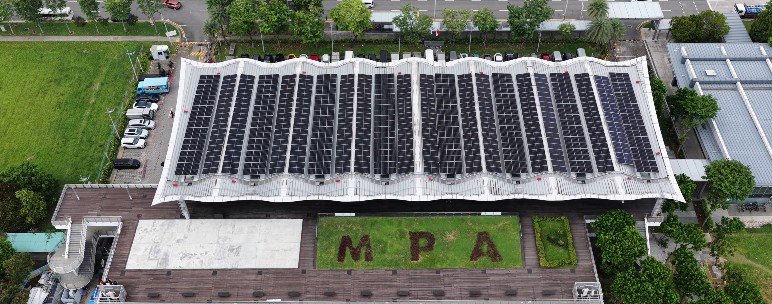
The renewable energy project involved the installation of 1,092 solar photovoltaic panels across approximately 3,200 square metres of rooftop and canopy areas at Marina South Pier. The solar system has the capacity to generate up to 780,000 kilowatt-hours (kWh) of electricity annually, which is equivalent to the yearly electricity consumption of around 180 four-room Housing and Development Board (HDB) flats in Singapore.
The generated solar power will supply a significant share of MSP’s electricity requirements, helping reduce dependence on conventional energy sources and lowering operational carbon emissions. MPA has also announced that the pier’s electrical systems will be progressively upgraded to maximise renewable energy utilisation and support the growing charging requirements of electric harbour craft, reflecting the increasing role of electrification in the maritime sector.
Solar Energy Supporting the Future of Green Maritime Operations
The Marina South Pier solarisation initiative represents a broader transformation in which ports worldwide are adopting renewable energy technologies, smart port solutions, and sustainable maritime infrastructure to achieve carbon reduction targets. As global shipping faces increasing pressure to reduce emissions, shore-based facilities such as ferry terminals, cargo ports, and maritime service hubs are becoming critical components of the decarbonisation pathway.
From an industry perspective, integrating solar power into port infrastructure provides multiple benefits beyond emissions reduction. Renewable energy adoption can improve energy resilience, reduce long-term operational costs, and support the transition towards cleaner maritime transport systems. Ports investing in green infrastructure are increasingly positioning themselves as sustainable logistics hubs capable of meeting future environmental regulations and international climate commitments.
MPA Expands Renewable Energy Across Singapore’s Maritime Facilities
The Marina South Pier solar project is part of MPA’s wider strategy to expand renewable energy adoption across its shore-based facilities. The authority is also working to replace diesel generators currently used to power equipment on Pulau Satumu, with the island expected to operate fully on renewable electricity before the end of 2027.
Singapore’s approach demonstrates how port authorities can combine solar power, maritime electrification, and sustainable energy management to create low-carbon port ecosystems. Such initiatives are expected to influence future green port models across Asia, particularly as maritime nations accelerate efforts toward cleaner shipping and climate-resilient coastal infrastructure.