UK MMO Strengthens Seahorse Protection, Issues New Diver Guidance
The UK Marine Management Organisation (MMO) has intensified its efforts to safeguard the country’s vulnerable seahorse populations by raising awareness of wildlife protection laws, responsible marine tourism, and licensing requirements for activities involving these protected species. The initiative aims to reduce accidental disturbances caused by divers, snorkellers, underwater photographers, filmmakers, and members of the public while supporting long-term marine biodiversity conservation and coastal ecosystem protection.
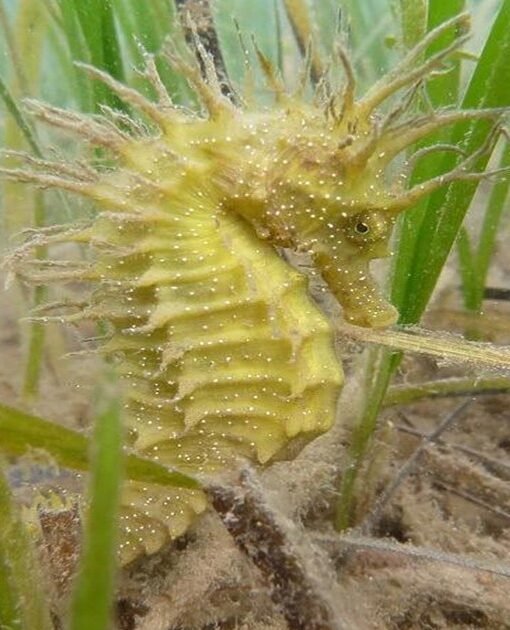
The campaign follows several recent incidents involving protected seahorses in UK waters. The MMO emphasized that both native species, the spiny (long-snouted) seahorse (Hippocampus guttulatus) and the short-snouted seahorse (Hippocampus hippocampus),are legally protected under Section 9 of the Wildlife and Countryside Act 1981. Anyone intentionally searching for, photographing, filming, or carrying out activities that could disturb these marine animals must first obtain a wildlife licence. Failure to comply with these legal requirements may lead to enforcement action.
According to Jess Churchill-Bissett, Head of Marine Conservation (Wildlife) at the MMO, public interest in seahorses continues to grow, but many people remain unaware that these fragile marine creatures are highly sensitive to disturbance. She stressed that intentional interference without the appropriate wildlife licence is unlawful and that the guidance applies equally to recreational divers, snorkellers, television crews, and film production companies.
To minimize disturbance during accidental encounters, the MMO advises visitors to observe seahorses for no longer than five minutes, avoid touching or moving them, refrain from surrounding them in groups, and never chase them if they swim away. Divers should also secure hoses, gauges, and other equipment to prevent accidental contact with sensitive seabed habitats. If a seahorse displays signs of stress—such as changing colour, curling up, or swimming away, people should slowly retreat to a distance of at least five metres without making sudden movements.
The organisation is focusing educational activities in Poole Harbour, Studland Bay in Dorset, and Torbay in Devon, where some of the UK’s most important seahorse populations live. In Studland Bay, the MMO introduced a voluntary no-anchor zone in 2021 to protect valuable seagrass meadows that provide essential breeding and nursery habitats for seahorses. Meanwhile, outreach teams in Poole Harbour continue educating local residents and visitors on safely handling stranded or accidentally captured seahorses.
If a seahorse is found stranded on shore or accidentally caught in fishing or crabbing gear, the MMO recommends gently placing it in a bucket of cold seawater, taking a photograph without using flash, and returning it to the exact location where it was found as quickly as possible. The sighting should then be reported to Natural England and The Seahorse Trust to support ongoing conservation monitoring and scientific research.
Neil Garrick-Maidment, Executive Director and Founder of The Seahorse Trust, highlighted that every reported sighting contributes valuable information to the National Seahorse Database, helping scientists better understand the distribution and conservation needs of these unique marine species. He urged divers, snorkellers, anglers, and coastal visitors to remain calm, keep a safe distance, avoid flash photography, and report all encounters to aid future marine conservation efforts.
The latest awareness campaign reflects the UK’s continued commitment to protecting marine wildlife, preserving seagrass ecosystems, and ensuring that recreational marine activities are conducted responsibly to safeguard one of Britain’s most vulnerable coastal species.