Pakistan Customs Launches Major Port Reforms to Ease Karachi Container Congestion as Trade Volumes Surge
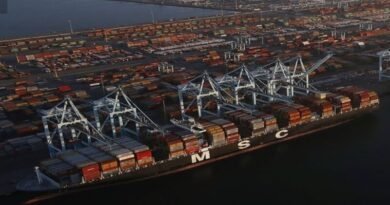
Pakistan Customs has introduced a series of landmark measures aimed at reducing container congestion at Karachi International Container Terminal (KICT) and South Asia Pakistan Terminal (SAPT) as Pakistan’s maritime trade experiences a significant rise during July 2026.
The increased pressure on both Karachi ports has been linked to stronger international trade activity, supported by improving global economic conditions and the easing of security tensions in the Persian Gulf, resulting in higher vessel arrivals and container movements.
According to the latest operational data, combined vessel calls at KICT and SAPT reached 56 vessels between July 1 and July 25, 2026, compared with 49 vessels during the same period in 2025, representing a 14.3% increase. Container throughput at SAPT also climbed by 12%, handling 52,314 TEUs, reflecting growing demand across Pakistan’s import and export supply chain.
To prevent delays and improve cargo flow, Pakistan Customs has intensified customs clearance operations across Karachi ports. During July 2026, 4,298 examinations were completed, compared with 4,007 during the same period last year. Fresh examination codes also increased by 19.9%, highlighting the growing volume of cargo inspections while maintaining regulatory compliance.
A senior Pakistan Customs official reaffirmed the department’s commitment to facilitating trade without compromising customs enforcement.
“Pakistan Customs is fully committed to facilitating trade while maintaining robust regulatory oversight. We have deployed optimal examiner staffing at all ports and have consistently operated on Sundays to ensure the timely clearance of cargo. The current congestion is being monitored daily, and we are coordinating closely with trade representatives and terminal management to resolve the situation by the end of this week.”
As part of the Maritime Task Force initiative, Pakistan Customs has introduced several historic reforms designed to modernize port operations and strengthen supply chain efficiency.
More than 2,000 long-pending containers have been relocated to off-dock facilities, creating additional storage capacity inside port terminals. Customs has also completed the installation of Non-Intrusive Inspection (NII) scanners at all ports, allowing faster cargo inspections while reducing physical examinations, clearance times, and logistics costs for businesses.
The department noted that the continued implementation of Faceless Assessment and Faceless Examination systems has further improved transparency, accelerated customs processing, and enhanced operational efficiency across Pakistan’s ports.
The Customs official described these initiatives as a significant milestone for the country’s maritime logistics sector.
“These reforms mark a new era for Pakistan’s maritime sector. Our goal is to ensure efficient, transparent, and responsive port operations to support the national economy and cement Pakistan’s position as a key trade hub in the region.”
Pakistan Customs said it will continue working closely with terminal operators, shipping lines, freight forwarders, and the wider trading community to maintain smooth cargo movement and sustain efficient port operations. The department is also closely monitoring developments in the Strait of Hormuz to respond effectively to any emerging challenges that could affect regional shipping and international trade.
Related:
- Pakistan Customs Facilitates New Off-Dock Terminal at Hawksbay, Reinforcing Trade Facilitation and Foreign Investment
- Gwadar Port Fee Cuts Aim to Turn Pakistan into Regional Shipping and Trade Hub
- Pakistan’s Path to Regional Economic Strength Lies in Maritime Reforms, Says Junaid Anwar Chaudhry
- No War Surcharges on Cargo as Government Moves to Boost Trade & Port Efficiency