Port of Rotterdam Completes First Phase of Yangtzekanaal Expansion to Support Next-Generation Container Ships
The Port of Rotterdam has successfully completed the first phase of the Yangtzekanaal widening project, a major port infrastructure development initiative designed to improve maritime access, enhance container terminal capacity, and prepare the port for future generations of ultra-large container vessels.
The first phase was completed by the contractor consortium of Hakkers, De Klerk, and Van Oord, which constructed a new tugboat quay featuring 12 berths and shore power facilities. As part of the project, the Yangtzekanaal was widened along a 500-metre section on the southern side, improving navigation conditions for increasing maritime traffic.
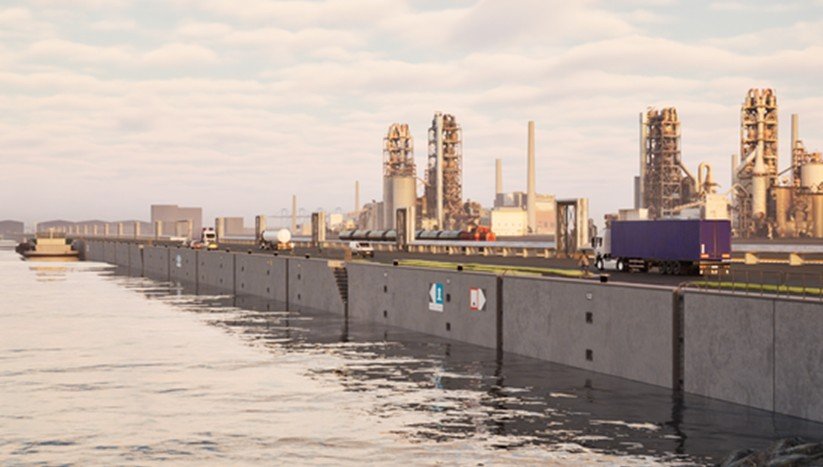
Following the successful completion of the initial stage, the second phase of the Yangtzekanaal expansion project has now started. The next phase involves the construction of a 1,450-metre quay wall with 20 additional inland shipping berths, along with modern shore power facilities to support cleaner and more sustainable port operations.
The Yangtzekanaal serves as a critical maritime access route for some of the world’s largest container ships travelling to and from APM Terminals Maasvlakte II (APMT 2) and Rotterdam World Gateway (RWG) terminals located in the Prinses Amaliahaven. With both container terminals expanding their handling capacities, the Port of Rotterdam is upgrading its waterways to accommodate growing vessel traffic and increasingly larger ships.
According to the Port of Rotterdam Authority, the navigable channel of the Yangtzekanaal will be widened along its full length in the coming years. Once completed, the project will enable safer and more efficient navigation for next-generation container vessels and strengthen Rotterdam’s position as a leading global maritime logistics hub and container shipping gateway.
Expansion to Enable Two-Way Navigation for 24,000 TEU Container Ships
The second phase includes the construction of a new quay wall west of the existing Antarcticakade, adding 20 inland shipping berths to the existing 10 berths. The project will also include the development of a heavy-load zone designed for specialized cargo handling and occasional freight transshipment activities.
The inland shipping berths will maintain a depth of NAP -6.80 metres, supporting efficient inland waterway transport and improving connectivity between seaports and European logistics networks.
To expand the navigable channel and construct the new berthing infrastructure, approximately 1.4 million cubic metres of sand will be dredged. The dredged material will be reused for land reclamation activities at Maasvlakte 2, supporting sustainable port expansion while reducing material waste.
After completion, the upgraded Yangtzekanaal will allow two-way navigation for container vessels carrying up to 24,000 TEU, strengthening Rotterdam’s role in international container shipping, supply chain resilience, and European trade connectivity.
Sustainable Port Infrastructure with Low-Carbon Construction Materials
A key feature of the project is the use of sustainable construction materials in the new quay wall. The top section of the structure will be built using approximately 10,000 cubic metres of geopolymer concrete, a cement-free alternative that can reduce carbon emissions by around 50% compared with conventional concrete.
The use of geopolymer concrete supports the Port of Rotterdam Authority’s sustainability strategy, which focuses on reducing emissions from port infrastructure construction and maintenance. The authority manages approximately 80 kilometres of quay walls and 200 kilometres of slopes, with further investments planned in new and replacement port infrastructure.
The wider adoption of low-carbon construction technologies is expected to play an important role in the future development of sustainable ports worldwide, as maritime hubs seek to balance economic growth with climate goals.
Read: Boluda Inaugurates Rotterdam Headquarters, Strengthening Northern Europe as a Strategic Growth Hub