São Tomé Establishes First Marine Protected Areas to Protect Coastal Ecosystems
São Tomé and Príncipe has officially designated its first two Marine Protected Areas (MPAs), marking a significant milestone in the country’s long-term strategy to protect marine biodiversity, strengthen sustainable fisheries, and support the growth of the blue economy.
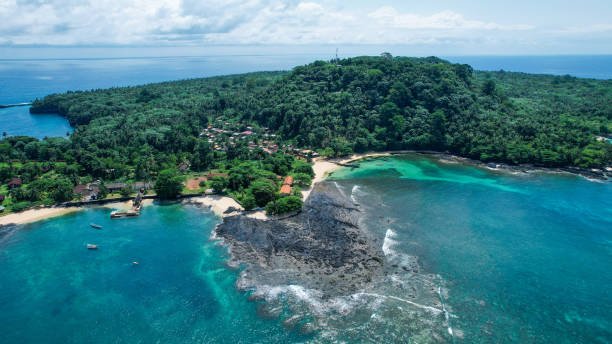
The announcement was made during the Our Ocean Conference in Mombasa, Kenya, where the West African island nation confirmed the formal protection of Ilhéu das Rolas–Malanza–Jalé on the southern coast of São Tomé Island and Santana on the island’s eastern coastline.
The new designations represent the first phase of an ambitious national plan to establish eight Marine Protected Areas covering approximately 93 square kilometers (36 square miles) across the Gulf of Guinea, reinforcing the country’s commitment to sustainable ocean management.
According to João Pessoa, Director of Fisheries, the protected sites safeguard some of the nation’s most valuable coastal and marine ecosystems.
“These protected areas include critical coastal and marine habitats, such as mangroves, nesting beaches, rocky reefs and important fishing grounds, while supporting threatened species including marine turtles, seabirds and other marine biodiversity.”
Key Protection Measures
The Santana Marine Protected Area covers 7.4 square kilometers, with 1 square kilometer designated as a fully protected no-take zone, where industrial fishing and marine resource extraction are prohibited. The remaining area will remain accessible for licensed artisanal fishers using approved fishing gear, scientific research, and other environmentally responsible activities.
Meanwhile, the Ilhéu das Rolas–Malanza–Jalé Marine Protected Area spans 55.8 square kilometers, including 8 square kilometers placed under full protection from extractive and destructive activities.
Six Additional Marine Protected Areas Planned
The government also confirmed that six additional Marine Protected Areas around Príncipe Island have already received approval from the Council of Ministers. They are now awaiting presidential promulgation before being officially published in the country’s Official Gazette.
According to Claricela Sequeira Tebús Andrade of Fundação Príncipe, one of the organizations supporting the national MPA network, five of the upcoming sites will combine fully protected and partially protected zones, while one area will receive complete protection.
She noted that the first two protected areas were strategically selected because they are located near fishing communities and preserve habitats that are essential for maintaining healthy marine ecosystems.
Balancing Conservation and Local Livelihoods
Officials acknowledge that successful implementation will require addressing several challenges, including fishing access, regulatory enforcement, technical capacity, and support for coastal livelihoods.
Limited government resources and insufficient awareness among some fishing communities regarding environmentally harmful fishing practices remain key obstacles to effective marine conservation.
To overcome these challenges, the Marine Protected Areas will operate under a co-management model, bringing together local fishing communities, government agencies, civil society organizations, and technical partners.
“Community participation is central to the management approach,” Pessoa said.
Focus Shifts to Long-Term Marine Governance
The next stage of the initiative will prioritize developing management plans, strengthening monitoring and enforcement systems, expanding public awareness, and establishing long-term co-management frameworks.
Officials emphasized that the Marine Protected Areas are intended to become fully functioning conservation zones rather than protected areas existing only on paper. The broader objective is to improve marine governance, promote sustainable fisheries, conserve biodiversity, and strengthen the resilience of coastal communities across São Tomé and Príncipe.
Read: Op-Ed: Strong Marine Protected Areas: The Foundation of a Sustainable Blue Economy
With these first designations now in place, the country has taken an important step toward safeguarding its marine resources while supporting sustainable economic development in the Gulf of Guinea.