Busan Port Launches Investment Bid for Ungdong Phase 2 Hinterland Development Project
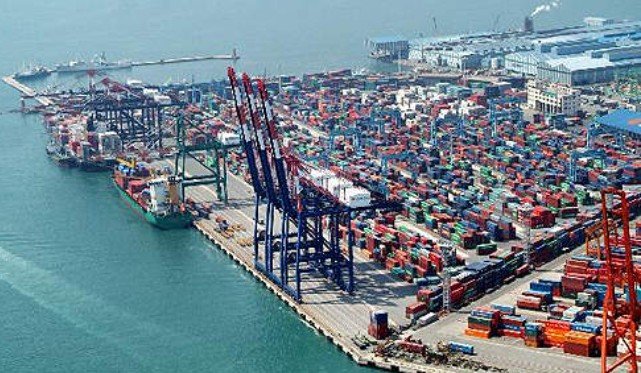
The Ministry of Oceans and Fisheries of South Korea has announced the launch of a third-party proposal competition to select a private developer for the Ungdong Phase 2 (Zone 2) Port Hinterland Complex at Busan Port New Port, marking a major step toward expanding maritime logistics infrastructure and strengthening the country’s global supply chain network. The 250,000-square-meter development project is designed to enhance the connection between port logistics and manufacturing industries by attracting private investment and creating an integrated logistics and industrial hub.
According to the Ministry of Oceans and Fisheries, the third-party proposal contest will run from July 31 to October 28, 2026, with the project targeting the start of construction in the second half of 2028. The initiative is part of South Korea’s broader strategy to improve port competitiveness, smart logistics capacity, and export-import infrastructure amid growing demand for efficient global maritime transportation networks.
The project’s feasibility was confirmed following a review conducted by a specialized research institution, the Korea Maritime Institute, in June 2026. The assessment was based on an initial private-sector proposal submitted in October 2025. The economic evaluation showed a benefit-cost (B/C) ratio of 1.04, indicating that the project is economically feasible and capable of generating sufficient value compared with its investment costs.
To ensure a transparent and competitive selection process, the Ministry will accept business proposals from private developers, including the original proposer, during the contest period. Submitted proposals will undergo evaluation by November 2026, after which a preferred negotiation candidate will be selected. The implementation agreement is expected to be signed in the first half of 2027, allowing construction preparations to proceed toward the planned 2028 commencement.
The Busan Port New Port hinterland development program is being implemented under South Korea’s 4th Port Hinterland Development Comprehensive Plan (2023–2030). Existing and ongoing projects include the Book Con Phase 1 development covering 1.69 million square meters, Seocun Con Phase 1 covering 2.49 million square meters, an additional 500,000-square-meter Seocun Con area, Nam Con covering 1.16 million square meters, and Ungdong Phase 2 (Zone 1) covering 850,000 square meters.
The completed hinterland areas have already attracted 69 companies engaged in port logistics operations, demonstrating the growing role of Busan Port New Port as a strategic maritime trade and logistics center in Northeast Asia. The new Ungdong Phase 2 (Zone 2) project is expected to further expand logistics capacity by providing facilities that combine cargo handling, distribution, manufacturing support, and value-added logistics services.
The Ministry stated that the development will enhance the competitiveness of domestic and international supply chains, maritime trade operations, and port-based industries. The inflow of large-scale private capital is also expected to generate employment opportunities and contribute to regional economic growth by supporting businesses connected with the maritime sector.
Gong Doo-pyo, Director of the Port Bureau at the Ministry of Oceans and Fisheries, said the project has demonstrated economic feasibility through the government review process. He emphasized that integrating private-sector innovation and investment would further strengthen the logistics competitiveness of Busan Port New Port, adding that the government would ensure a fair selection process and provide administrative support for smooth project implementation.
The Ungdong Phase 2 (Zone 2) development represents another major investment in South Korea’s maritime infrastructure modernization, reinforcing Busan Port’s position as a key international logistics gateway and supporting future growth in global shipping, port logistics, and maritime economic development.