Shanghai Sets 2028 Target for Methanol Bunkering Standards
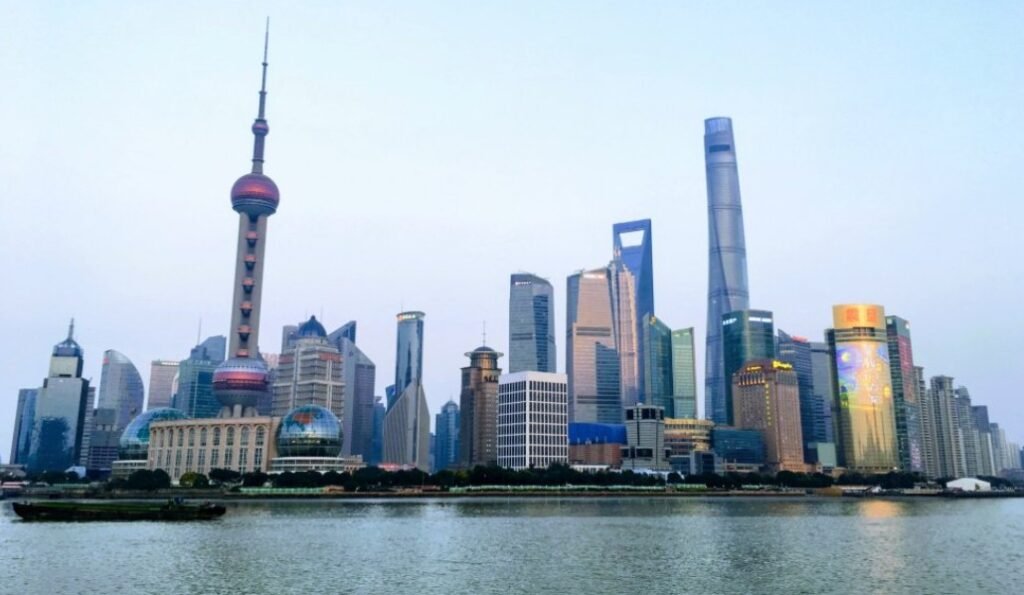
Shanghai Chimbusco Marine Bunker Co Ltd has launched a pilot project to standardise methanol bunkering services for ships, with completion targeted by the end of 2028. The initiative aims to strengthen operational consistency at Shanghai Port and support the wider adoption of green marine fuels in the shipping industry.
Selected for Shanghai’s 2026 Standardisation Pilot Programme, the project will develop standards covering the complete methanol bunkering process, from pre-bunkering preparations to post-bunkering procedures. Establishing consistent service requirements could help improve operational coordination and support the development of reliable alternative-fuel infrastructure as the maritime industry advances towards lower-emission shipping.

The company held a project launch meeting and training session on October 20, during which experts provided guidance on implementation and standardisation. The initiative is intended to establish a model for methanol bunkering services at Shanghai Port and potentially across China.
Shanghai’s progress in methanol bunkering is supported by its growing supply activity. Approximately 10,000 metric tonnes of domestically produced green methanol were supplied to ships in Shanghai last year, compared with around 3,000 metric tonnes in Singapore, according to the reported figures.
Standardisation Could Strengthen Green Shipping Infrastructure
Developing consistent methanol bunkering procedures is an important step towards integrating alternative marine fuels into commercial shipping operations. Clear standards across pre-bunkering, delivery and post-bunkering activities could help establish more predictable service practices and facilitate coordination among fuel suppliers, port operators and shipowners.
Shanghai’s pilot programme also reflects the importance of building operational frameworks alongside the expansion of green marine fuel supplies. Its implementation and outcomes by the end of 2028 could provide a reference for other Chinese ports seeking to develop methanol bunkering capabilities and support the maritime sector’s energy transition.
Read:Op-Ed: Methanol, Ethanol, and Biofuels: Steering the Maritime Industry toward Energy Resilience