Japan Partners to Develop Ammonia-Fueled Ships by 2030
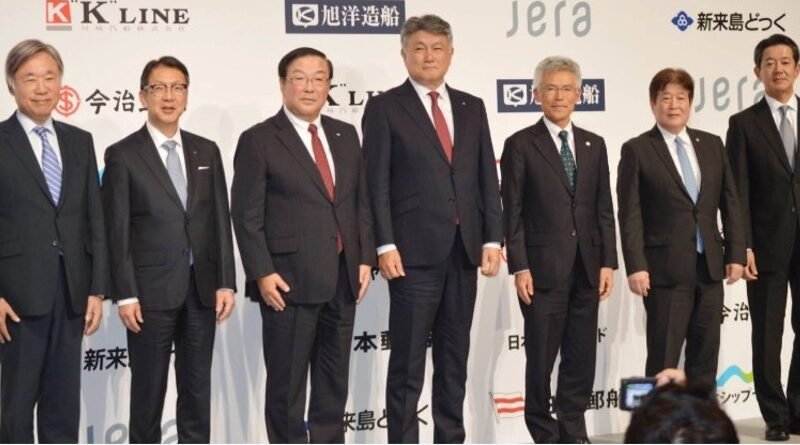
Japanese shipping and energy companies have formed a strategic partnership to advance ammonia-fueled vessels, strengthen clean maritime energy supply chains, and accelerate shipping industry decarbonization. Seven corporations will collaborate on the construction and operation of four ammonia-powered car carriers, targeting completion in 2030, alongside the development of infrastructure to support ammonia as a next-generation marine fuel.
The partnership brings together shipping companies Nippon Yusen and Kawasaki Kisen Kaisha, energy firm Jera, and shipbuilders Imabari Shipbuilding, Kyokuyo Shipyard, Shin Kurushima Dockyard, and Nihon Shipyard. The initiative reflects Japan’s efforts to develop commercially viable low-carbon shipping technology. Its success will depend on reliable ammonia procurement, dedicated bunkering infrastructure, and competitive operating costs, as ammonia currently faces significant cost challenges compared with conventional marine fuel oil.

Four Ammonia-Powered Car Carriers Planned for 2030
Imabari Shipbuilding, Shin Kurushima Dockyard, and Nihon Shipyard will construct the four car carriers, while Nippon Yusen and Kawasaki Kisen will operate them. The vessels are expected to transport finished vehicles manufactured by automakers, including Toyota Motor.
The project integrates shipbuilding, vessel operations, and fuel procurement into a coordinated business model. By aligning these activities, the participating companies aim to establish an efficient operating framework for ammonia-powered vehicle transportation.
Jera to Develop Ammonia Fuel Supply Network
Jera will procure ammonia from international sources, including India, and store the fuel at its thermal power station in Hekinan, Aichi Prefecture, before supplying it to the car carriers.
Separately, Kyokuyo Shipyard will construct an ammonia-bunkering vessel to support fuel transfer and maritime refuelling operations. These investments are intended to establish the supply infrastructure required for the wider adoption of ammonia as a marine fuel.
Read:Maersk Completes Record 5,000-Tonne Ethanol Bunkering in Singapore
Ammonia Emerges as a Next-Generation Marine Fuel
Ammonia, alongside hydrogen and other alternative energy sources, is attracting attention as the shipping industry intensifies efforts to reduce carbon emissions. Its potential role in maritime decarbonization is linked to its ability to be used without producing carbon dioxide at the point of combustion.
However, the overall environmental benefits depend on how ammonia is produced, transported, and used. Conventional fossil-fuel-based ammonia can generate substantial emissions during production, making lower-carbon production methods an important consideration for the industry’s long-term transition.
The seven companies aim to address the commercial challenges by developing an efficient supply network and creating a profitable business model for ammonia-fueled shipping. The cost of ammonia relative to conventional marine fuels remains a key obstacle to large-scale deployment.
Read:Norway Invests $130 Million in Green Shipping as Zero-Emission Vessel Orders Accelerate
Japan Targets Maritime Innovation and Industrial Competitiveness
Speaking at a joint news conference in Tokyo on Tuesday, Nippon Yusen President Takaya Soga highlighted ammonia’s potential for large-scale production and the development of supply networks. He also emphasized its significance for strengthening Japan’s industrial competitiveness.
The partnership represents a coordinated effort to connect alternative marine fuel technology, shipbuilding capabilities, energy procurement, and vessel operations. Delivering the four car carriers by 2030 will be an important milestone, while the development of dependable fuel supply and bunkering infrastructure will help determine whether ammonia-powered shipping can become commercially sustainable.
Read:Shipping Decarbonization in the Caribbean Requires Coordinated Regional Efforts, Say Leaders
For the global maritime sector, the initiative highlights the importance of integrating vessel design, energy infrastructure, and fuel economics as shipping companies explore pathways toward lower-emission operations.