South Korea Reroutes Ninth Crude Oil Tanker via Red Sea Amid Strait of Hormuz Closure to Strengthen Energy Supply Chain
South Korea is actively strengthening its maritime energy security and crude oil supply chain resilience by rerouting its crude oil imports through alternative shipping corridors following the closure of the Strait of Hormuz due to ongoing Middle East conflict.
According to the Ministry of Oceans and Fisheries, the ninth South Korean-flagged or Korea-bound crude oil tanker has successfully been rerouted through the Red Sea shipping route to ensure uninterrupted energy supplies. This marks a continued series of tanker diversions since mid-April, when the alternative route was first activated.
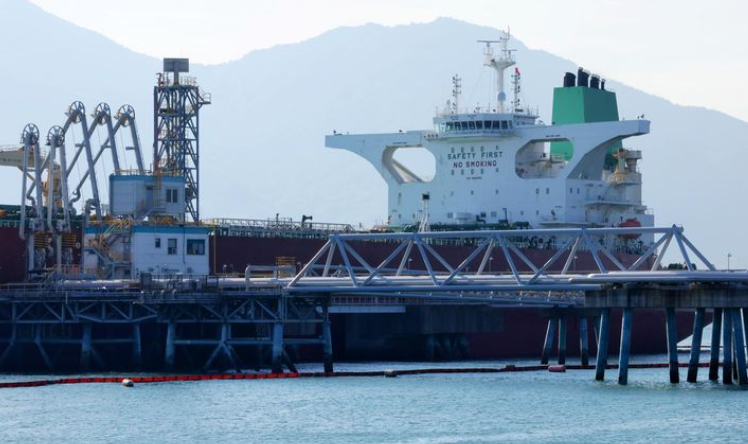
The vessel loaded crude oil at Yanbu Port in Saudi Arabia, a key energy export terminal on the Red Sea coast, before proceeding through the Red Sea en route to South Korea. The tanker is currently sailing toward domestic ports, where it will unload crude oil upon arrival, supporting national energy demand and refinery operations.
The closure of the Strait of Hormuz, a critical global maritime chokepoint, has forced energy-importing nations to adopt alternative maritime logistics routes. The Red Sea corridor has therefore emerged as a strategic transit route for crude oil shipments to maintain global supply stability and reduce disruption risks.
The Ministry of Oceans and Fisheries of South Korea Ministry of Oceans and Fisheries stated that, for security reasons, specific vessel details ,including ship name, shipping company, and charterer, have not been disclosed to ensure the safety of the crew and maritime operations.
Officials further confirmed that continuous 24-hour real-time monitoring has been maintained throughout the voyage in the Red Sea. The ministry also emphasized that it has provided navigation safety information and established real-time communication channels between the ministry, shipping operators, and the vessel to ensure safe passage through high-risk maritime zones.
The ministry added that it remains fully committed to stabilizing South Korea’s crude oil supply and demand balance, while closely monitoring geopolitical developments affecting global shipping lanes such as the Strait of Hormuz and the Red Sea maritime corridor.
This ongoing rerouting strategy highlights the increasing importance of diversified maritime logistics routes in global energy trade, particularly for countries heavily dependent on crude oil imports and long-distance tanker transportation.