Strait of Hormuz Seizures Trigger Global Maritime Alarm as Iran Escalates Naval Operations
IRGC naval forces detain Panama- and Liberia-flagged vessels in strategic waterway as gunfire reports, oil surge past $100, and fragile ceasefire faces collapse amid rising global shipping risks.
The already volatile Strait of Hormuz shipping corridor has plunged into fresh instability after Iran confirmed it has seized two commercial vessels, intensifying fears over global maritime security, energy supply disruption, and escalating U.S.–Iran tensions.
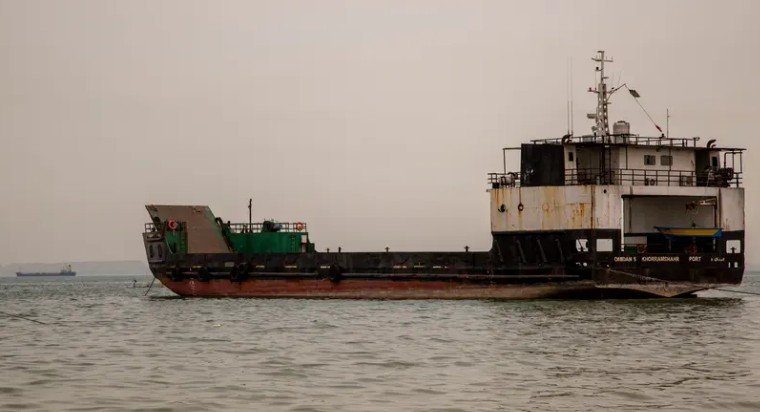
According to Iranian state media, the Islamic Revolutionary Guard Corps (IRGC) Navy detained two foreign-flagged ships early Wednesday, citing alleged maritime violations. The vessels were reportedly escorted to Iranian ports shortly after interception.
The seized ships have been identified as the Panama-flagged MSC Francesca and the Liberia-flagged Epaminondas, while a third vessel, Euphoria, was also reported to have come under threat during the incident.
Gunfire Reports and Shipping Chaos in the World’s Most Critical Oil Passage
Tension escalated further when the United Kingdom Maritime Trade Operations (UKMTO) reported that vessels in the Strait of Hormuz came under fire. One container ship master described an encounter with an IRGC patrol boat that allegedly opened fire, causing significant damage to the vessel’s bridge.
These developments mark a major escalation in maritime risk, as the Strait of Hormuz handles nearly 20% of global oil shipments, making it one of the most strategically sensitive chokepoints in global trade.
First Major Ship Seizure Since War Escalation Raises Alarm
This is reportedly the first confirmed Iranian seizure of commercial vessels since the conflict began on February 28, signaling a dangerous shift in naval engagement and increasing concerns over commercial shipping route security in the Gulf region.
The situation is adding pressure on an already fragile U.S.–Iran ceasefire agreement, which was recently extended but remains highly contested.
Ceasefire Under Threat as Iran Rejects U.S. Diplomatic Push
Despite ongoing diplomatic efforts, Iranian political voices are openly dismissing the ceasefire extension. A senior adviser to Iran’s parliament speaker stated that the U.S. initiative “means nothing,” warning that continued pressure could trigger further military response.
Iranian officials also accused Washington of sending “contradictory signals,” raising doubts over participation in upcoming peace negotiations expected to take place in Islamabad.
Pakistan, which mediated earlier discussions, continues urging both sides to maintain restraint and return to dialogue, while international observers warn of escalating regional spillover risks.
Oil Markets React as Brent Crude Surges Above $100
Global energy markets reacted sharply to the Strait of Hormuz escalation, with Brent crude oil prices rising more than 1.8%, briefly crossing the $100 per barrel threshold.
Analysts warn that continued disruptions in the Strait could trigger a prolonged global energy crisis, already described by the International Energy Agency as one of the most severe in history.
International Response: Maritime Security Emergency Deepens
The United Kingdom is convening a two-day emergency maritime security conference with over 30 nations to coordinate potential responses, including contingency planning for reopening safe navigation routes through the Strait once conditions stabilize.
The European Union also reiterated that freedom of navigation in international waters is non-negotiable, calling the recent escalation “reckless” and warning of broader global economic consequences.
Global Shipping Industry on Edge
With gunfire reports, vessel seizures, and collapsing diplomatic trust, the Strait of Hormuz crisis is rapidly evolving into a full-scale maritime security emergency. Shipping companies, insurers, and global energy markets now face heightened uncertainty as one of the world’s most critical trade arteries remains under severe threat.
For now, the world watches closely as diplomacy struggles to keep pace with rising naval confrontation in the Gulf.
Related: