Strait of Hormuz Tensions Rise as Iran-Oman Maritime Deal Emerges Amid Gaza and Red Sea Conflict
Tensions across the Middle East are raising new concerns for global shipping, maritime security, energy supplies and strategic trade routes, as Israel rejected U.S. President Donald Trump’s proposed Gaza plan while Iran and Oman moved toward a potential temporary arrangement for managing vessel traffic through the Strait of Hormuz. At the same time, Iran indicated that vessels linked to countries it considers “hostile” could be barred from transit, while Houthi attacks on Yemen’s Red Sea coast increased concerns over the security of another critical maritime corridor.
Israeli Prime Minister Benjamin Netanyahu said Israel’s military would not withdraw from Gaza until Hamas is “genuinely disarmed.” Netanyahu told a Cabinet meeting that Israel rejects the 15-point document announced by Trump, although discussions with Washington continue. The development adds to uncertainty surrounding the regional security environment, with implications extending beyond the conflict zone to international maritime trade and shipping security.
Iran-Oman Talks Put Strait of Hormuz Shipping in Focus
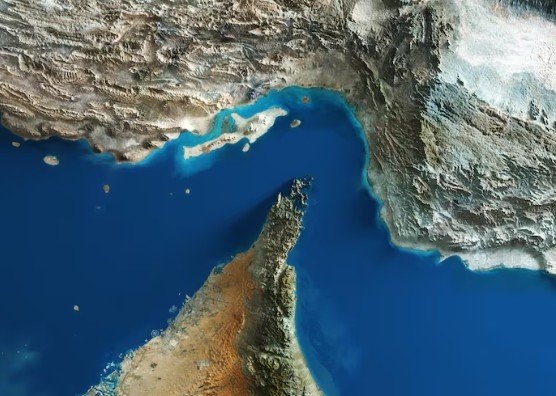
The Strait of Hormuz, one of the world’s most strategically important maritime chokepoints, has become a central issue in negotiations between Iran and Oman. Iranian Foreign Minister Abbas Araghchi said discussions with Oman concerning “new maritime routes” were in their final stages, but stressed that this did not necessarily mean the strait would immediately reopen.
According to people familiar with the discussions, Iran and Oman are working on a temporary arrangement under which vessels could enter the waterway near Iran and exit near Oman. During the proposed interim period, ships would reportedly transit without paying fees or tolls. The people said the potential agreement has support from Gulf Cooperation Council members and could be announced jointly by Iran, Oman, the United States and the International Maritime Organization (IMO), although the terms remain subject to change.
The Iranian parliament’s National Security Committee has also approved the general outlines of a plan to manage the strait. However, an Iranian lawmaker said vessels belonging to “hostile countries” would be prohibited from transiting, while countries considered responsible for damage to Iran would need to provide compensation before gaining access.
The developments have significant implications for maritime transportation, tanker shipping, oil supply chains, energy security and global trade, because any restrictions on vessel movement through the Strait of Hormuz could affect shipping routes and international energy markets.
Iran Sets Conditions for Reopening Maritime Routes
Iran’s Supreme National Security Council said the Strait of Hormuz would not reopen until the United States changes its policies toward Tehran. Iranian demands reportedly include an end to threats against Iran, a permanent end to the war involving Iran and its allies, the lifting of the naval blockade of Iranian ports, withdrawal of U.S. forces from the region, compensation for war damage, removal of sanctions and the release of frozen Iranian assets.
Araghchi said indirect messages between Iran and the United States were continuing through intermediaries but maintained that formal negotiations could not resume until conditions outlined by Tehran were addressed.
Iran Appoints New Security Chief
Iran has also reshuffled its senior security leadership. State media reported that Mohsen Rezaei was appointed head of the Supreme National Security Council. Rezaei previously served as a commander of Iran’s Islamic Revolutionary Guard Corps and as a military adviser to Supreme Leader Ayatollah Mojtaba Khamenei.
He replaces Mohammad Bagher Zolghadr, who assumed the position after Ali Larijani was killed in an Israeli strike in March. Zolghadr is expected to become a political adviser to Khamenei.
Houthi Attack Raises Red Sea Shipping Security Concerns
Maritime security concerns are also increasing in the Red Sea, where Yemen’s Iranian-backed Houthi rebels attacked the government-held port of Mokha. Yemen’s government-allied National Resistance Forces said at least seven people were killed, including four troops and three civilians, while 15 civilians were injured.
According to Fayed al-Noman, an assistant undersecretary at Yemen’s information ministry, missiles and drones damaged port buildings, piers, commercial goods and food supplies. The military later reported missile impacts in several locations, including near a television station.
Mokha is an important port controlled by Yemen’s internationally recognized government and has been renovated to support shipping that avoids the Houthi-controlled port of Hodeida. The Houthis said they targeted military forces and warehouses.
Aramco Facility Also Targeted
Houthi military spokesperson Yahya Saree said the group also targeted an Aramco refinery in Jazan, Saudi Arabia, with a drone. The attack was described as retaliation for Saudi drones allegedly entering Yemeni airspace over Hajjah and Saada provinces.
Saudi Arabia’s Energy Ministry reported a fire at a facility belonging to the Aramco refinery but said there were no casualties. The ministry did not identify the cause of the fire.
The attacks add to concerns about Red Sea shipping security, oil infrastructure, maritime trade routes and regional energy supplies. They also raise fears that violence could undermine the fragile situation following a 2022 truce and contribute to a renewed civil war in Yemen.
Impact on Global Maritime Trade
The simultaneous tensions around the Strait of Hormuz and the Red Sea place two major maritime corridors under heightened security pressure. Developments affecting vessel access, tanker movements and port operations could have consequences for international shipping, oil transportation, maritime insurance, freight costs and global supply chains.
Read: Trump Says Strait of Hormuz Deal near as Shipping Hopes Rise
For shipowners, operators and energy markets, the proposed Iran-Oman arrangement for the Strait of Hormuz will therefore remain a major development to watch, particularly as negotiations continue over vessel access and the conditions governing maritime transit.