Trump Signs Russia-Iran Sanctions Bill, Raising Global Trade and Shipping Risks
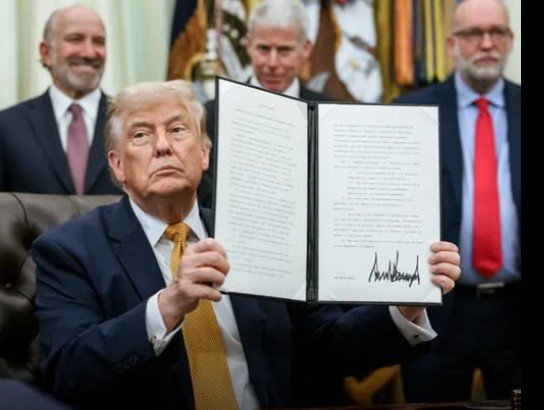
US President Donald Trump has signed a new Russia and Iran sanctions bill that gives him the authority to impose tariffs of up to 100 percent on countries that continue major business with Moscow, increasing uncertainty for global trade, energy markets, shipping and international supply chains.
The legislation could affect countries and companies involved in significant trade with Russia, particularly major buyers of Russian oil and energy. However, the law does not automatically impose a 100 per cent tariff. Any such measures would depend on whether Trump chooses to use the authority provided under the legislation.
The White House said Trump signed H.R. 5334, formally known as the “Lindsey O. Graham Sanctioning Russia and Iran Act of 2026,” on Friday, September 18. The law expands sanctions and other economic restrictions on Russia while extending existing measures targeting Iran.

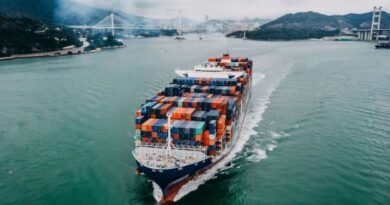
The new legislation could have implications well beyond US-Russia relations. Changes in Russian energy trade could influence oil prices, tanker shipping, freight rates, maritime trade routes and global supply chains, particularly if companies alter trading arrangements to comply with new US restrictions.
Global Energy Trade Faces New Uncertainty
The legislation introduces another layer of uncertainty into international energy markets, where Russian crude remains an important part of global oil trade.
Countries including China and India, among other major energy buyers, could potentially face increased trade pressure if Washington applies the new authority to transactions involving Russian energy.
The exact consequences will depend on how the US administration implements the legislation and whether additional tariffs or sanctions are announced.
For the shipping industry, any major changes in Russian energy trade could affect crude oil tanker movements, maritime insurance, freight costs, port activity and shipping routes.
Potential Impact on Maritime Supply Chains
Russian oil and other commodities move through complex international supply chains involving producers, traders, refineries, ports, shipping companies, insurers and financial institutions.
If companies reduce their exposure to Russian trade because of possible US tariffs or sanctions, global energy flows could be redirected toward alternative suppliers.
Such changes could increase sailing distances and create additional demand for certain tanker routes while affecting vessel utilization, freight rates and maritime logistics.
The consequences could also extend to countries that do not directly trade large volumes with Russia if changes in energy prices and shipping routes affect their import costs.
US Sanctions Target Russian Economic Interests
The new US law is designed to increase economic pressure on Moscow by targeting Russian officials, banks, energy interests and foreign entities that support Russia’s military activities.
Its broader objective is to reduce revenues available to Russia amid its war in Ukraine and increase pressure on countries maintaining significant economic relationships with Moscow.
The legislation gives the Trump administration additional authority to impose economic measures against countries that continue major business with Russia.
However, the authority to impose tariffs does not mean that a 100 per cent tariff automatically takes effect. The actual impact will depend on future decisions by the US administration.
Strong Support in US Congress
The US Senate passed the legislation by an 86-11 vote, while the Republican-led House approved it 262-159. Trump signed the bill two days after the House vote.
The legislation is named after the late Republican Senator Lindsey Graham, who was one of its key architects.
The measure adds to the existing network of US sanctions, financial restrictions and trade controls targeting Russia and Iran.
Shipping Could Face Higher Compliance and Trade Risks
The most significant maritime consequences will depend on how the new authority is implemented.
If additional tariffs or sanctions affect major buyers, traders or financial institutions involved in Russian energy commerce, companies could reassess oil sourcing, shipping routes, insurance arrangements and payment channels.
For tanker operators and commodity traders, greater sanctions exposure could increase compliance requirements and operational costs. Financial institutions and insurers could also apply additional scrutiny to transactions and vessels connected to affected trade.
A substantial restructuring of Russian energy flows could further reshape global tanker markets, particularly if buyers seek alternative suppliers from the Middle East, the Americas or other producing regions.
Wider Global Economic Impact
The potential impact is not limited to countries directly purchasing Russian energy.
Changes in Russian oil flows could affect global crude prices, refinery economics, shipping demand and energy security across multiple regions. Higher transportation costs or longer shipping routes could also increase expenses throughout international supply chains.
For ports, shipowners, freight operators, insurers and energy companies, the key issue will be how Washington translates the new legal authority into specific sanctions or tariff measures.
Until those measures are announced, the full effect on global trade, maritime commerce and energy markets remains uncertain.