US-Iran Conflict Disrupts Strait of Hormuz Shipping, Leaving Thousands of Seafarers Stranded as Global Maritime Trade Faces Fresh Uncertainty
Renewed hostilities between the United States and Iran have once again brought commercial shipping in the Strait of Hormuz to a near standstill, raising fresh concerns over global maritime trade, energy security, tanker operations, and international shipping routes.
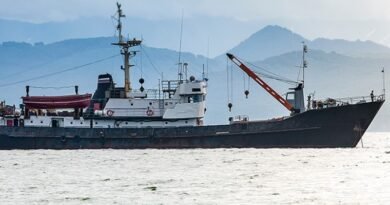
The latest escalation has reportedly left nearly 6,000 seafarers stranded aboard hundreds of commercial vessels, while Gulf nations remain on heightened alert amid fears of additional attacks in one of the world’s most strategically important maritime chokepoints.
The Strait of Hormuz, through which around one-fifth of the world’s oil and gas supplies pass, remains a critical artery for global energy transportation. Any disruption in the waterway has immediate consequences for oil tanker traffic, maritime logistics, freight markets, and international supply chains.
IMO Calls for Protection of Global Shipping Lanes
During a meeting of the International Maritime Organization (IMO) Council, member states strongly condemned Iran over what they described as continued threats and alleged attacks affecting several Gulf states and their territorial waters.
Countries including Bahrain, France, Germany, and Saudi Arabia emphasized the urgent need to safeguard international shipping lanes, particularly around the Strait of Hormuz, warning that continued instability poses serious risks to commercial shipping and global trade.
Iran, however, submitted a separate statement accusing the United States and Israel of armed interference involving Iranian commercial vessels and acts of aggression.
IMO Advises Ships to Avoid Strait of Hormuz
IMO Secretary-General Arsenio Dominguez stated that commercial transit through the Strait of Hormuz should be avoided until adequate safety conditions are restored. He also confirmed that the evacuation of stranded seafarers remains suspended due to ongoing security concerns.
According to IMO data, 136 vessels have already been evacuated, while approximately 2,900 seafarers have been safely relocated.
Rising Humanitarian Concerns
Iranian health authorities reported that 14 people have been killed during the latest two days of military exchanges, with dozens more injured across five provinces.
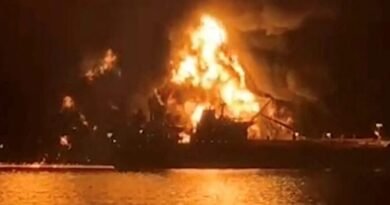
The renewed violence follows reports that three merchant vessels were struck on Tuesday while transiting the Strait of Hormuz, despite an earlier truce agreement signed between Iran and the United States on 17 June.
Oil Prices React to Maritime Security Risks
The attacks briefly pushed global crude oil prices higher before markets stabilized. Oil recovered to around $77 per barrel on Thursday, remaining above pre-conflict levels as traders continue monitoring developments in the Gulf.
Shipping analysts continue to warn that prolonged security risks in the Strait of Hormuz could increase marine insurance premiums, freight rates, vessel operating costs, and delays across international shipping networks.
Truce Agreement Faces Renewed Pressure
The renewed conflict has placed significant pressure on the previously signed 14-point Memorandum of Understanding between the United States and Iran.
The agreement called for an immediate and permanent halt to military operations across all fronts, including Lebanon, and outlined a 60-day negotiation period aimed at reaching a broader agreement covering Iran’s uranium enrichment program and reaffirming that Tehran does not intend to develop nuclear weapons.
The memorandum also included commitments to reopen the Strait of Hormuz to unrestricted commercial shipping and ease certain US and UN Security Council sanctions against Iran.
Strait of Hormuz Remains Vital to Global Trade
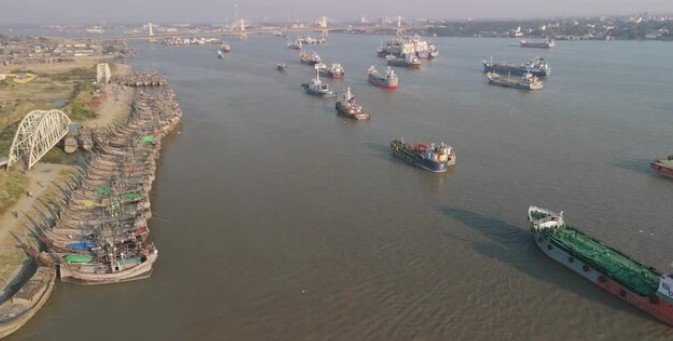
Before the latest conflict, approximately 130 commercial vessels transited the Strait of Hormuz every day, transporting crude oil, liquefied natural gas, and other essential cargoes connecting the Middle East with global markets.
The disruption highlights the vulnerability of one of the world’s busiest maritime corridors and underscores the importance of maintaining freedom of navigation, maritime security, and uninterrupted global shipping operations.
Global Economic Institutions Monitor Situation
The heads of the International Energy Agency (IEA), International Monetary Fund (IMF), World Bank Group, and World Trade Organization (WTO) stated that while the global economy has remained broadly resilient, some countries continue to experience slower economic growth and higher inflation linked to the Middle East conflict.
The institutions encouraged continued diplomatic efforts to resolve the crisis and support the reopening of the Strait of Hormuz, noting that fuel and fertilizer prices have eased since June. They also urged governments to strengthen energy security, food security, and freedom of navigation as uncertainty surrounding the conflict continues.