IMO Chief Condemns Strait of Hormuz Ship Attacks, Urges Immediate De-Escalation to Protect Global Shipping
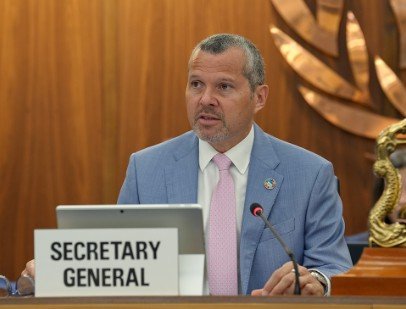
The Secretary-General of the International Maritime Organization, Arsenio Dominguez, has strongly condemned the latest attacks on commercial vessels transiting the Strait of Hormuz, warning that the escalating security situation is placing thousands of seafarers and global maritime trade at serious risk.
In an official statement, Dominguez expressed deep concern over the attacks carried out during the past two days, describing them as reckless acts that have once again endangered innocent seafarers caught in geopolitical tensions beyond their control. He stressed that no seafarer should have to risk their life simply for performing their professional duties and emphasized that the safety of crews must remain the highest priority for the international maritime community.
The IMO Secretary-General urged flag States, shipowners, vessel operators and relevant authorities to avoid exposing crews to unnecessary danger by transiting the Strait of Hormuz for as long as safe navigation cannot be guaranteed. He noted that the regional security environment remains highly volatile, increasing operational risks for commercial shipping and maritime logistics.
According to the IMO, nearly 6,000 seafarers aboard hundreds of vessels remain stranded in the Persian Gulf, unable to depart safely since the conflict in the Middle East began. The continued uncertainty has intensified fear, anxiety and psychological stress among crews waiting for safe passage.
Dominguez called on all States involved to exercise maximum restraint, immediately de-escalate tensions and facilitate the safe departure of vessels still trapped in the Gulf. He reiterated that protecting seafarers and ensuring the uninterrupted flow of international maritime trade must remain a shared global responsibility.
The Strait of Hormuz is one of the world’s most strategically important shipping corridors, carrying a significant share of global energy exports and commercial cargo. Any disruption to vessel traffic through the waterway can have far-reaching consequences for international shipping, global supply chains, marine insurance, freight markets and energy security.