Whale Found Dead near Danish Island after High-Profile German Marine Rescue Operation in the Baltic Sea
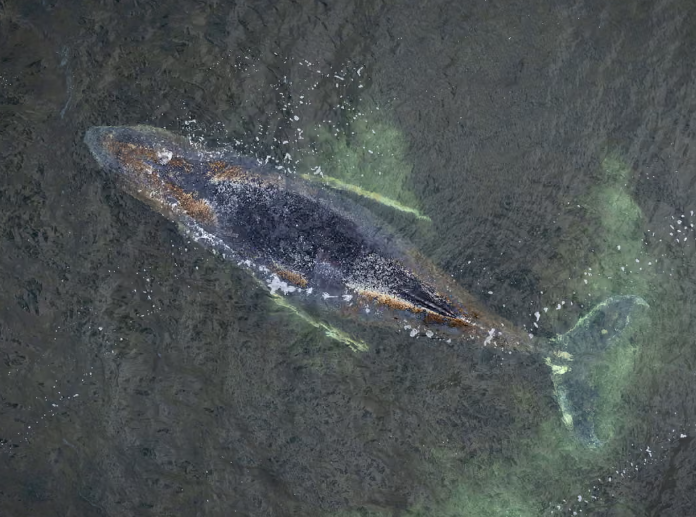
A humpback whale that previously made headlines after a complex rescue operation in Germany has been found dead near a Danish island, raising renewed attention on marine wildlife protection, whale stranding incidents, and rescue intervention ethics in the Baltic Sea region.
The whale was first discovered stranded on a sandbank on 23 March near the island of Poel, along Germany’s Baltic Sea coastline. The incident triggered a large-scale marine rescue response after the animal became trapped in shallow waters off Timmendorfer Beach in Lübeck Bay.
Despite initial efforts by German authorities to free the animal, the whale repeatedly stranded itself. After several unsuccessful rescue attempts, official operations were eventually suspended.
In early May, a privately funded rescue mission was launched by two German entrepreneurs. The operation involved carefully guiding the whale onto a water-filled transport barge, the Fortuna B, which then carried it into deeper waters of the North Sea. The whale was fitted with a tracking device before release. The mission sparked widespread public debate across Germany, with some critics arguing that the intervention could increase stress and risk for the animal, while others praised it as a breakthrough in marine mammal rescue operations.
The whale, which was nicknamed “Timmy” or “Hope” by rescuers and German media, was later reported dead near the Danish island of Anholt, located between Denmark and Sweden. A whale carcass was spotted offshore on Thursday, prompting concern that it may be the same animal involved in the earlier rescue operation.
Authorities in Denmark were initially unable to confirm the identity of the carcass. However, the Danish Environmental Protection Agency later stated that weather conditions allowed for closer inspection and retrieval of the tracking device to verify the whale’s identity.
Officials confirmed there are currently no plans to remove the carcass or conduct a full necropsy. The agency also noted that the body does not presently pose a navigational or environmental hazard in the area.
However, authorities issued a public safety warning, advising people not to approach the whale due to potential health risks, including possible disease transmission. They also highlighted a risk of explosion caused by gas buildup from decomposition in large marine animals.
The case has once again highlighted the complexities of whale stranding response strategies, marine conservation efforts in the Baltic Sea, and the challenges of large-scale marine wildlife rescue operations involving humpback whales.
Till Backhaus, environment minister of Mecklenburg-Vorpommern, had previously described the rescue as a success and “an example of what can be done in Germany,” underscoring the ongoing debate about human intervention in marine animal survival cases.