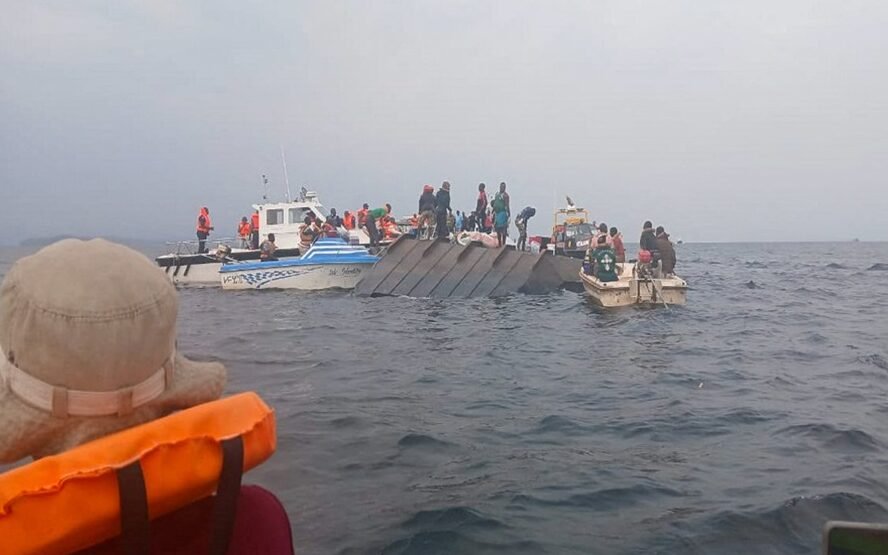
Zimbabwe Lake Kariba Boat Accident Death Toll Rises to 69 as Maritime Safety Concerns Grow
The death toll from the devastating boat accident on Zimbabwe’s Lake Kariba has risen to 69 after 23 more bodies were recovered, according to police. The passenger vessel capsized on August 11 during heavy winds, with police investigations indicating that the boat was overloaded when it overturned.
The latest recovery effort has increased the confirmed number of fatalities as search and recovery operations continue on Lake Kariba. According to the latest report, the vessel was estimated to have been carrying 153 people when it left Kariba town harbour, despite having an authorised capacity of only 90 passengers.
Police, military personnel and local fishermen continued search and recovery operations on Saturday. Authorities said 77 people were rescued shortly after the vessel capsized, with many initially taken to a nearby island before being transferred to health facilities in Kariba town. Survivors reported that strong winds created choppy conditions and water entered the boat, while some passengers urged the operator to return toward shore before the vessel rolled over.
Lake Kariba Tragedy Raises Maritime Safety Concerns
The accident has raised serious concerns about passenger vessel safety, capacity enforcement and operational preparedness on inland waterways. Overloading can significantly reduce a vessel’s stability and safety margin, particularly when strong winds and rough water conditions are present. The reported passenger load of 153 compared with an authorised capacity of 90 highlights the importance of enforcing vessel limits and maintaining effective passenger-control procedures.
The tragedy also underscores the importance of regular vessel inspections, compliance with safety regulations, accurate passenger records, trained crews, life-saving equipment and effective emergency-response systems. These measures are particularly important for communities that depend on inland water transport for access to food, markets and essential services.
Zimbabwean President Emmerson Mnangagwa sent messages of condolence to the families of those who died. He described the accident as a tragedy that exposed serious deficiencies in the country’s maritime capabilities and called on relevant government agencies to immediately address the shortcomings and take an active role in implementing remedial measures to prevent similar disasters in the future.
Lake Kariba is an important waterway along the Zimbabwe-Zambia border and supports fishing communities, transport, tourism and local economic activity. The ferry involved in the accident served as a vital connection for remote communities, and the disaster has already affected the delivery of food supplies to some areas.
The incident is a stark reminder that maritime safety principles apply not only to ocean-going ships but also to inland waterways. Strong enforcement of passenger limits, better weather-risk assessment, crew preparedness and effective search-and-rescue capabilities will be essential to reducing the risk of similar accidents on Lake Kariba and other inland waters.
Read: At Least 15 Migrants Die after Speedboat Collides with Greek Coastguard Vessel