
Oman Monitors Oil Pollution as 12km of Ras Madrakah Coastline is Affected
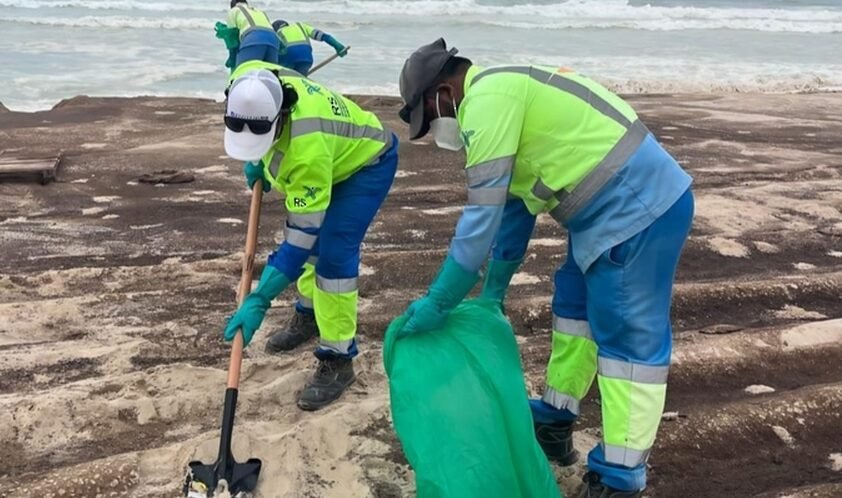
Oman’s Environment Authority is continuing monitoring and response operations following an oil pollution incident, with the latest field assessments showing that approximately 12 kilometres of coastline in the Ras Madrakah area have been affected. The authorities are maintaining field operations along the affected coastline, while no significant traces of pollution have been detected at other monitored locations.
The latest monitoring results also indicate that oil pollution has not reached the shores of Masirah Island. However, the southern part of the island remains within the area potentially at risk of being affected, prompting authorities to continue close monitoring of coastal and marine conditions.
Regarding the offshore oil slick, updated monitoring data and modelling indicate that it continues to move along its observed trajectory southeast of the Wilayat of Masirah and toward the open sea. Authorities are continuing to track the slick as marine and weather conditions change.
The response also includes measures to protect the safety of fishery products. The Food Safety and Quality Center is continuing field monitoring, inspections and laboratory testing to assess potential risks linked to the oil pollution in the marine environment.
As a precaution, the Center is monitoring fish landing sites, seafood processing facilities and fish markets, while also tracking landing activities and the sources of catches. Samples are being collected and subjected to laboratory testing to determine the safety of fishery products.
Technical teams have also been formed to monitor coastlines and fish landing sites in governorates along the Arabian Sea. Their work is focused on assessing any potential impact on fishing grounds and helping ensure the safety and quality of fishery products available to consumers.
What the Oil Pollution Monitoring Means for Oman
Oman’s response demonstrates the importance of combining marine pollution monitoring, coastal surveillance and seafood safety controls during an oil pollution incident. Tracking the offshore slick while simultaneously inspecting fishing and seafood facilities allows authorities to monitor both environmental conditions and potential risks to the food supply.
The continued surveillance of Ras Madrakah and the southern part of Masirah Island is particularly important because the distribution of offshore oil pollution can change as marine and weather conditions evolve. The use of field observations, monitoring data, modelling and laboratory testing provides authorities with several layers of information for assessing the situation and determining precautionary measures.
The ongoing measures form part of Oman’s integrated response to the oil pollution incident, with authorities continuing to monitor potentially affected areas, assess environmental impacts and implement precautionary actions to protect marine ecosystems, fishery products and public health. Recent independent reporting also confirms that the oil pollution has reached Oman’s coastline and that Masirah Island remains an area of concern.
Read: British Firm Begins Oil Spill Containment Operation for Stricken Tanker off Oman