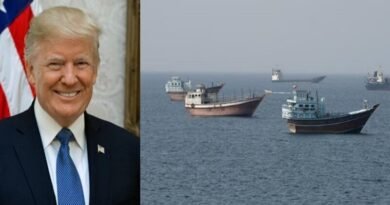
US-Iran Ceasefire Talks 2026: Second Round Signals, Strait of Hormuz Tensions & Global Oil Market Impact
A potential second round of US-Iran ceasefire talks, Strait of Hormuz tensions, and global oil prices volatility are back in focus as both sides signal a return to Islamabad for high-level negotiations. The fragile ceasefire between the United States and Iran is nearing expiration, raising concerns across global energy markets and maritime trade routes.
Regional officials confirmed that both countries have indicated willingness to resume discussions in Pakistan’s capital, although no official timeline has been announced. The expected arrival of U.S. Vice President JD Vance and Iran’s chief negotiator Mohammad Bagher Qalibaf in Islamabad suggests renewed diplomatic momentum amid escalating geopolitical risks.
The situation remains uncertain as both sides have previously issued mixed signals. Iran had maintained it would not negotiate under pressure, while the U.S. leadership indicated no urgency to end the conflict. However, current developments point toward cautious engagement as global stakeholders closely monitor outcomes.
Maritime Security Escalates with Oil Tanker Seizure
In a significant development impacting maritime security and oil shipping routes, U.S. forces boarded the sanctioned oil tanker M/T Tifani in international waters in the Indian Ocean. The operation, described as a “right-of-visit maritime interdiction,” was conducted without incident.
Officials emphasized that sanctioned vessels cannot use international waters as safe havens. The move underscores growing enforcement actions targeting Iranian oil exports and highlights rising risks for global shipping lanes and energy supply chains.
Global Energy Crisis Deepens
The ongoing conflict has triggered what the United Nations describes as the most severe energy crisis in a generation. Rising fossil fuel prices, supply chain disruptions, and uncertainty surrounding the Strait of Hormuz have intensified fears of long-term inflation and economic instability.
UN leadership warned that dependence on fossil fuels is not only accelerating climate change but also destabilizing global economies. Calls for investment in renewable energy and sustainable infrastructure have gained urgency as oil markets remain volatile.
Europe and Global Markets on Alert
European Union ministers are closely monitoring jet fuel shortages, energy supply risks, and the impact of rising oil prices on consumers. Analysts warn that prolonged disruption in Middle Eastern energy flows could affect transportation, trade, and economic stability worldwide.
Financial markets have already shown signs of instability, with fluctuations driven by uncertainty over the duration of the conflict and its potential impact on global oil and gas supplies.
Diplomatic Pressure Mounts for Peace Talks
Germany and other international stakeholders have urged Iran to engage in negotiations in Islamabad, emphasizing that a diplomatic solution remains possible. China has also called the situation a “critical stage of transition” between war and peace, supporting Pakistan’s mediation efforts.
Pakistan, backed by regional partners, has increased security in Islamabad ahead of the anticipated talks. Thousands of personnel have been deployed, signaling expectations of high-level diplomatic engagement.
Regional Conflict Continues to Impact Infrastructure
Beyond diplomacy, the broader Middle East conflict continues to cause destruction and instability. Lebanon has reported significant infrastructure damage, including multiple bridges, while violence in Gaza persists despite earlier ceasefire efforts.
These developments highlight the wider regional consequences of the crisis, extending beyond energy markets into humanitarian and economic domains.
Outlook: High Stakes for Global Trade and Stability
With the ceasefire deadline approaching, the potential resumption of US-Iran negotiations, Strait of Hormuz security, and oil market stability remains critical. Any breakthrough in Islamabad could ease tensions, stabilize energy prices, and restore confidence in global maritime trade.
However, failure to reach an agreement may intensify disruptions, further impacting global shipping, energy security, and economic growth worldwide.
Related: