Trump Rejects Iran Nuclear Talks Proposal as Strait of Hormuz Crisis Keeps Global Oil Prices Volatile
Tensions in the Middle East are once again shaking global maritime trade and energy markets, as Donald Trump said he is “not satisfied” with Iran’s latest proposal for negotiations, casting doubt over a potential diplomatic breakthrough in the ongoing conflict.
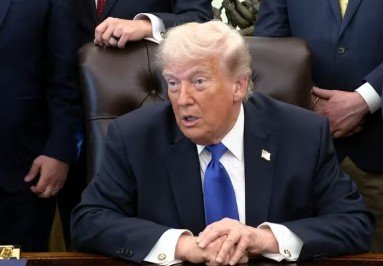
Speaking before departing the White House, Trump acknowledged that Iran is signaling willingness to strike a deal but criticized internal divisions within Tehran’s leadership. Meanwhile, Iran’s Foreign Minister Abbas Araqchi responded by stating that diplomacy remains possible, if the United States changes what he described as its “provocative” approach.
Maritime Trade Disruption Deepens Amid Strait of Hormuz Closure
At the center of the crisis lies the strategic Strait of Hormuz, a critical artery for global shipping that handles nearly 20% of the world’s oil and gas supplies. Its closure has triggered severe disruptions across international maritime logistics, tanker operations, and energy supply chains.
Shipping companies now face heightened sanctions risks, as U.S. authorities warn against payments to Iran for passage. Simultaneously, naval enforcement actions have effectively blocked Iranian crude exports, tightening global supply and amplifying uncertainty in freight and insurance markets.
Oil Prices Surge, Then Ease on Diplomatic Hopes
Global oil prices, which surged above $100 per barrel amid fears of escalation, showed slight easing after reports emerged that Iran had submitted a new negotiation proposal. However, volatility remains high due to ongoing military posturing and uncertainty over future strikes.
The conflict, which began following U.S. and Israeli strikes on Iran earlier this year, has already resulted in thousands of casualties and triggered widespread instability across key maritime corridors.
Military Tensions Threaten Shipping Security
Despite a ceasefire in place since April 8, reports suggest potential plans for renewed U.S. strikes. Iran has responded by activating air defense systems and warning of a “wide response” to any further attacks.
Earlier in the conflict, Iran targeted U.S. bases and infrastructure across Gulf states, while regional escalation included missile exchanges involving Hezbollah and Israel, raising serious concerns for vessel safety in the region.
For maritime stakeholders, this translates into elevated war-risk premiums, rerouting costs, and operational delays across vital sea lanes.
Pakistan’s Mediation and China’s Strategic Warning
Trump acknowledged Pakistan’s role in ongoing backchannel diplomacy, indicating that negotiations are continuing via indirect communication channels.
Meanwhile, China has urged immediate reopening of the Strait of Hormuz, warning that prolonged disruption could accelerate a global economic slowdown. Beijing emphasized the urgency of maintaining the ceasefire and restoring maritime flow through one of the world’s most critical shipping chokepoints.
Energy Security and Global Shipping at Risk
The geopolitical standoff continues to highlight the fragile nature of global energy security and maritime trade routes. With tanker movements restricted and supply chains under pressure, the shipping industry faces one of its most significant disruptions in recent years.
As negotiations remain uncertain and military risks persist, the future of oil flows through the Strait of Hormuz, and the stability of global maritime commerce, hangs in the balance.
Related: