Iran Accuses US of “Unreasonable Demands” as Strait of Hormuz Tensions Shake Oil Markets
Iran’s Foreign Ministry has sharply criticized the United States for what it describes as “unreasonable” and “one-sided” demands in ongoing negotiations aimed at ending the US–Israel conflict involving Iran, as a fragile ceasefire continues to hold.
According to Iranian state media, Tehran submitted its response to a US proposal through Pakistan on Sunday. The move was quickly rejected by US President Donald Trump, who called Iran’s counteroffer “totally unacceptable” in a post on Truth Social.
Iran Defends Proposal, Calls it “Legitimate and Generous”
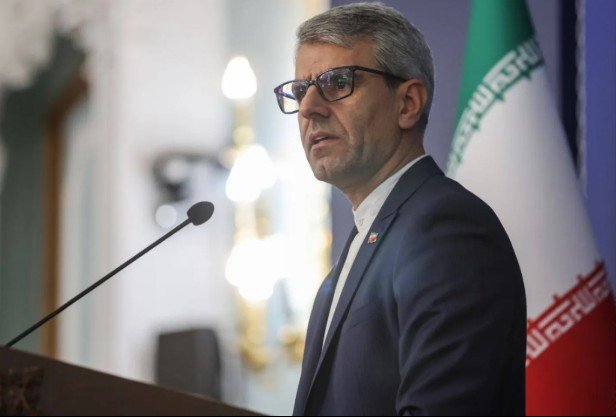
At a press briefing on Monday, Foreign Ministry spokesman Esmaeil Baghaei defended Iran’s position, saying the country’s proposal to end hostilities and restore stability in the region was both “legitimate” and “responsible.”
He emphasized that Iran is not demanding concessions, but rather calling for an end to the war, the lifting of restrictions on Iranian ports, and the release of frozen Iranian assets held in foreign banks under US pressure.
“Our demand is legitimate: ending the war, lifting the blockade and piracy, and releasing Iranian assets that have been unjustly frozen,” Baghaei stated.
He also highlighted maritime security concerns, including safe passage through the strategically critical Strait of Hormuz, describing it as essential for regional stability and global shipping routes.
Baghaei further said Iran’s broader proposal includes ensuring maritime safety, stabilizing the wider region including Lebanon, and promoting secure energy and trade flows.
US Rejects Proposal as Diplomatic Standoff Deepens
US President Donald Trump rejected Iran’s response outright, signaling continued deadlock in negotiations. Analysts say both sides are now holding firm to maximum demands, reducing the likelihood of near-term diplomatic progress.
Andrea Dessi of the American University of Rome warned that the situation is increasingly tense, stating that both sides appear unwilling to compromise, leaving the international economy and regional populations exposed to risk.
Oil Prices Surge amid Shipping and Energy Supply Fears
Markets reacted quickly to the escalating rhetoric and uncertainty over maritime security in the Gulf region. Brent crude oil jumped 4.65% to $99.95 per barrel in Asian trading, while US West Texas Intermediate rose more than 4% to $105.50 per barrel.
The spike reflects growing fears over potential disruptions to global energy supply chains and key shipping lanes passing through the Strait of Hormuz, one of the world’s most important oil transit chokepoints.
Europe Moves toward Naval Deployment in the Region
In response to growing instability, European countries are reportedly preparing to deploy naval assets to secure maritime traffic in the region. French President Emmanuel Macron and UK Prime Minister Keir Starmer are leading a coalition of more than 50 nations aimed at restoring safe maritime passage and stabilizing global trade routes.
The UK is expected to host a virtual defence ministers’ meeting on Tuesday, following earlier military planning discussions in London.
However, Iran has strongly warned against foreign military involvement. Baghaei urged European nations not to align with US and Israeli positions, warning that external intervention could worsen tensions and further destabilize global energy markets.
“Any intervention in the Strait of Hormuz or the Persian Gulf would bring further complications and raise global prices,” he said, calling for responsible international action.
Related:
- HMS Dragon Deployed to Middle East as UK Prepares for Possible Strait of Hormuz Security Mission
- CMA CGM Container Ship Hit in Strait of Hormuz as Gulf Shipping Crisis Escalates
- UAE Eastern Ports Emerge as Gulf Trade Lifeline amid Strait of Hormuz Crisis
- Trump Rejects Iran Nuclear Talks Proposal as Strait of Hormuz Crisis Keeps Global Oil Prices Volatile