UK-Led Maritime Security Force Prepares Strait of Hormuz Mine-Clearing Mission as Global Shipping Crisis Deepens
A British naval task force is on standby for a potential mine-clearing operation in the strategically critical Strait of Hormuz, as escalating regional tensions continue to disrupt global maritime trade, tanker operations, and energy shipping routes.
Hundreds of Royal Navy personnel are currently stationed aboard the RFA Lyme Bay near Gibraltar, awaiting a possible deployment that depends on a regional peace agreement. The operation is linked to ongoing diplomatic efforts that US President Donald Trump said have been “largely negotiated,” although final details remain unresolved.
The planned mission follows the effective closure of the Strait of Hormuz by Iran after the United States and Israel launched military operations on 28 February. The disruption has heavily impacted international shipping lanes, triggering volatility in oil prices, LNG transportation, marine insurance markets, and global supply chains tied to crude oil, natural gas, and fertiliser exports.
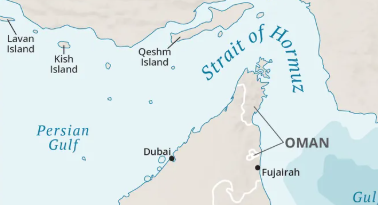
The Strait of Hormuz remains one of the world’s most strategically important maritime chokepoints, handling a major share of global seaborne energy trade. Industry analysts warn that prolonged disruption could intensify pressure on tanker freight rates, maritime logistics, and global energy security.
US President Donald Trump has repeatedly urged allied nations to take greater responsibility for securing the vital shipping corridor. In previous remarks directed toward NATO allies, he called on partners to strengthen their role in protecting regional energy routes and commercial shipping traffic.
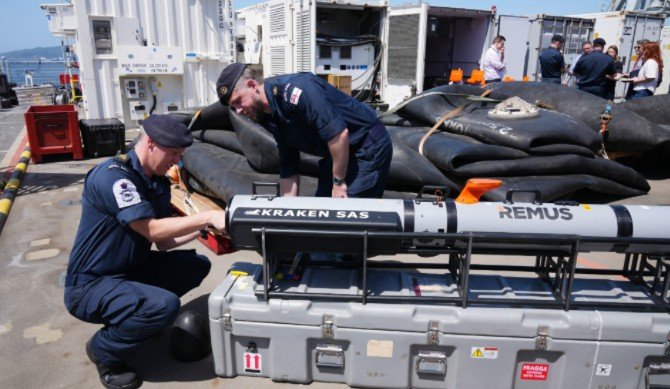
Britain’s Armed Forces Minister Al Carns recently provided details of the RFA Lyme Bay’s preparations. The amphibious support vessel has been loaded with ammunition and advanced unmanned mine-hunting sea drones equipped with sonar systems designed for maritime mine countermeasure operations.
The vessel is expected to depart Gibraltar and join the British destroyer HMS Dragon alongside allied naval forces before transiting the Suez Canal toward the Persian Gulf. The United Kingdom and France are expected to coordinate the multinational maritime security operation.
According to Al Carns, more than 6,000 commercial ships have been unable to transit the Strait of Hormuz since the conflict escalated, highlighting the severe impact on international shipping and marine trade networks.
Royal Navy officials warned that Iran may possess a wide range of naval mines capable of threatening commercial vessels, oil tankers, LNG carriers, and military ships operating in the Gulf region. Cmdr. Gemma Britton said the devices could include rocket-propelled mines, seabed mines, and cable-linked systems triggered by sound, movement, or light.
The initial objective of the operation would be to establish a secure maritime transit corridor for approximately 700 vessels currently waiting to pass through the strait, followed by additional lanes for incoming commercial traffic. However, naval experts cautioned that fully clearing the waterway could require months or even years depending on the scale of the threat.
Despite the extensive preparations, officials confirmed that deployment has not yet been authorised. It also remains uncertain whether naval mines have already been placed in the strait or whether allied forces will ultimately be required to conduct clearance operations.
Al Carns stated that commercial insurers and global shipping companies require complete confidence in maritime safety before normal vessel traffic can resume through the corridor. He noted that the mine-clearing capability would provide the certainty required for the reopening of international shipping routes.
The multinational maritime operation is expected to proceed only after active hostilities in the region end. Meanwhile, diplomatic negotiations involving the United States, Iran, and Israel continue without a confirmed timeline for a final agreement.
Read: Gulf Maritime Crisis Deepens as Thousands of Seafarers Remain Stranded near Strait of Hormuz
Until then, the RFA Lyme Bay and its crew remain on standby, prepared for rapid deployment to support maritime security, naval mine countermeasure operations, and the restoration of safe commercial navigation through one of the world’s busiest energy shipping corridors.