Two Dynacom Tankers Hit Near Oman as Strait of Hormuz Shipping Risks Escalate Amid US-Iran Conflict
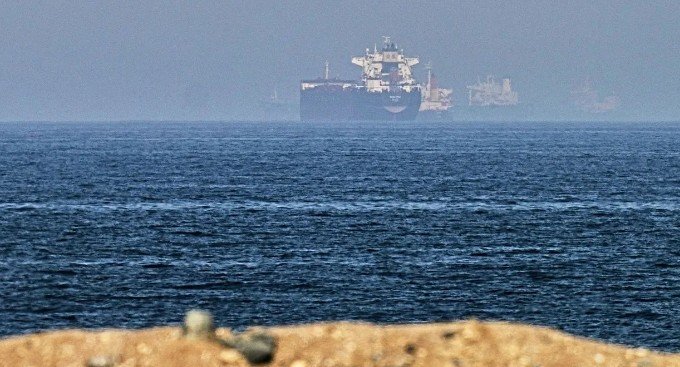
Two vessels managed by Greek shipping company Dynacom Tankers were struck by projectiles of unknown origin while transiting off the coast of Oman on Monday, highlighting the growing security risks facing commercial shipping as tensions between the United States and Iran continue to intensify.
The incidents come as renewed hostilities between Washington and Tehran threaten maritime trade through the Strait of Hormuz, one of the world’s most strategically important energy corridors. Iranian forces have increasingly targeted vessels in the region while the United States has stepped up efforts to enforce its blockade of Iranian ports, raising concerns across the global shipping and energy markets.
Panamax Tanker Forced to Evacuate After Engine Room Fire
Dynacom Tankers confirmed that the Malta-flagged Panamax tanker Kavomaleas was hit by two projectiles, triggering a fire in the vessel’s engine room.
According to the company, the ship’s master activated the onboard fire suppression system before making the decision to evacuate the crew.
All seafarers were safely rescued by Omani authorities and transported ashore. Dynacom said it remains in close coordination with regional authorities as the incident is investigated.
British maritime risk management company Vanguard reported that the attack occurred approximately eight nautical miles northwest of Kumzar, Oman, while the tanker was transiting the area.
Shipping market sources indicated that Kavomaleas had been scheduled to load oil products in the Gulf later this week.
The United Kingdom Maritime Trade Operations (UKMTO) agency, which had earlier reported the vessel on fire, stated that no marine pollution or environmental damage had been recorded.
Second Dynacom Tanker Also Struck
In a separate statement, Dynacom Tankers confirmed that its Liberian-flagged Very Large Crude Carrier (VLCC) Acheloos was also struck by a projectile on Monday.
The company said every crew member was accounted for and unharmed.
The vessel has since proceeded to an anchorage where damage assessments and safety inspections are underway.
Dynacom also confirmed there have been no reports of pollution resulting from the incident.
The Acheloos is capable of transporting approximately 2 million barrels of crude oil, making it one of the largest classes of oil tankers operating in international trade.
Maritime Security Firms Highlight Simultaneous Attacks
Greek maritime security company Marisks reported that both Acheloos and Kavomaleas were hit at roughly the same time while navigating the US-facilitated southern transit corridor through the Strait of Hormuz.
The coordinated timing has intensified concerns over the safety of merchant vessels operating through the Gulf as geopolitical tensions continue to rise.
IRGC Reports Tanker Explosions in Hormuz
On Monday, Iran’s Islamic Revolutionary Guard Corps (IRGC) announced that two oil tankers had “exploded” and become immobilized after attempting what it described as an unsafe southern route through the Strait of Hormuz.
The IRGC had also referred on Sunday to two ships involved in what it called an “accident” in the same area.
It remains unclear whether the Iranian statements refer to the same incidents involving the Dynacom-managed vessels or to separate events.
Third Dynacom Tanker Hit in Black Sea
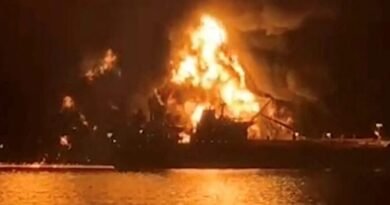
In a separate development on Monday, Dynacom Tankers said a third vessel under its management, Asia, was struck by a drone while berthed at Russia’s Novorossiysk CPC terminal in the Black Sea.
The crew successfully extinguished a fire onboard following the attack.
Dynacom confirmed that all crew members were safe and accounted for, while no pollution to the marine environment had been reported.
The vessel has since moved to an anchorage where inspectors are assessing the extent of the damage.
Shipping Industry Faces Growing Geopolitical Risk
The attacks underscore the increasing exposure of commercial shipping to geopolitical conflict across multiple regions. With the Strait of Hormuz remaining a critical gateway for global oil exports, any disruption to tanker traffic has the potential to affect energy markets, marine insurance costs, freight rates, and global supply chains.
The incidents involving Dynacom Tankers add to mounting security concerns for shipowners and operators navigating both the Gulf and the Black Sea as regional conflicts continue to threaten international maritime trade.