Viet Nam and Philippines Strengthen Port Waste Management to Combat Marine Plastic Pollution
Viet Nam and the Philippines have strengthened their commitment to reducing marine plastic pollution by advancing national port waste management strategies aimed at preventing plastic litter from entering the ocean through sea-based sources.
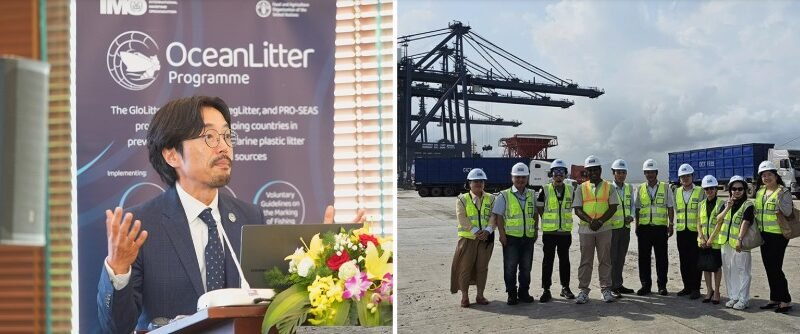
More than 90 representatives from government agencies, maritime administrations, port authorities, environmental organizations, waste management companies, academia, and other key stakeholders participated in two capacity-building workshops held in Ha Long, Viet Nam (6–7 July) and Manila, Philippines (9–10 July). The workshops focused on developing comprehensive national port waste management plans designed to improve waste handling practices across both countries.
The newly drafted plans establish a clear framework for enhancing port reception facilities, defining institutional roles and responsibilities, strengthening coordination among relevant authorities, and promoting environmentally responsible waste management. Participants also expanded their knowledge of MARPOL Annex V, International Maritime Organization (IMO) guidance, and internationally recognized best practices for managing ship-generated waste.
During the workshops, experts emphasized that stronger cooperation between maritime authorities, port operators, local governments, and waste service providers is essential to ensure that waste generated by ships is collected, treated, and disposed of safely before it reaches the marine environment. Discussions also examined existing waste management systems, identified operational challenges, and developed practical recommendations to improve waste reception and disposal procedures at ports.
As part of the technical programme, participants visited Quang Ninh Port and Cai Lan International Container Terminal (CICT) in Viet Nam to evaluate existing port reception facilities and identify opportunities for improvement. In the Philippines, delegates toured the Port of Manila, where they reviewed current waste reception arrangements, discussed operational challenges, and explored practical measures to support the implementation of the draft national port waste management plan.
The initiative forms part of the RegLitter Project, which supports regional efforts to reduce marine plastic litter from sea-based sources. The project is funded by the Ministry of Oceans and Fisheries of the Republic of Korea under the Ocean Litter Programme, a joint initiative implemented by the International Maritime Organization (IMO) and the Food and Agriculture Organization (FAO).
As global efforts to strengthen maritime environmental protection continue, improved port waste management, stronger compliance with international environmental regulations, and closer regional cooperation are expected to play a critical role in reducing marine pollution and supporting a cleaner, more sustainable shipping industry.