Busan Port Launches Major Underwater Waste Tire Removal Operation to Protect Marine Environment
A large-scale underwater cleanup operation has begun at Busan Port to remove accumulated waste tire fenders deposited beneath the water, marking a significant step toward improving marine environmental protection, port sustainability, and coastal pollution management.
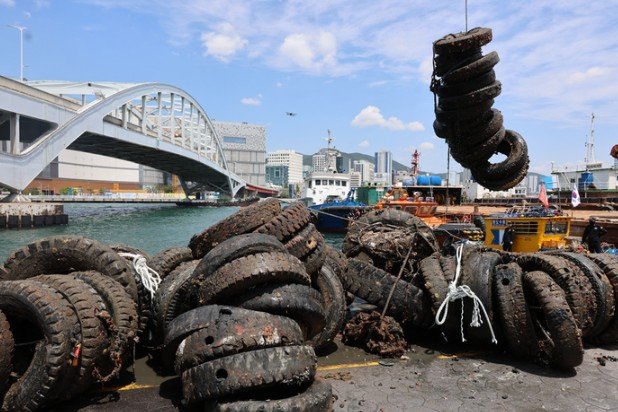
The intensive collection of sedimented waste tire fenders started on July 22 in the Busan South Port and North Port areas, where underwater surveys identified a considerable amount of abandoned and sunken tire materials. Authorities have initiated the removal campaign to reduce marine debris, prevent further ecological damage, and maintain safer conditions for port operations.
Waste tires have traditionally been used as protective fenders at ports and terminals because of their durability, shock absorption capability, and low cost. However, over time, damaged or discarded tire fenders can become submerged, buried in seabed sediments, and contribute to long-term marine pollution challenges. The accumulated materials can affect marine habitats, interfere with navigation activities, and create difficulties for future port development and maintenance projects.
The latest cleanup initiative reflects growing global efforts to address underwater waste management, a critical issue for modern ports and maritime infrastructure. As international shipping continues to expand, ports worldwide are increasingly focusing on sustainable operations, reducing marine debris, and adopting environmentally responsible practices aligned with green port development strategies.
During the collection operation, specialized equipment and marine cleanup techniques are being used to retrieve the sedimented waste tires from underwater areas of Busan South Port and North Port. The recovered materials will be collected, transported, and processed according to waste management procedures to minimize environmental impacts.
The removal of these abandoned tire fenders is expected to improve the overall condition of the seabed environment around Busan Port while supporting safer navigation and more efficient port activities. The initiative also highlights the importance of regular monitoring and maintenance of port facilities to prevent waste accumulation in marine areas.
Busan Port, one of the world’s busiest container ports, plays a crucial role in global maritime trade networks. With increasing attention on sustainable shipping, marine conservation, and carbon-neutral port operations, environmental management has become a key priority for port authorities and maritime organizations worldwide.
The issue of underwater waste is receiving greater international attention as coastal areas face growing pressure from industrial activities, shipping operations, and urban development. Materials such as abandoned fishing gear, plastic waste, scrap materials, and old maritime equipment can remain in marine environments for decades, affecting biodiversity and threatening ecosystem health.
Experts emphasize that removing underwater waste is not only important for protecting marine ecosystems but also essential for maintaining resilient and sustainable maritime infrastructure. Effective waste recovery programs, combined with improved recycling systems and preventive measures, can help reduce the long-term environmental footprint of port operations.
The Busan Port cleanup project also supports broader global goals related to marine pollution prevention, ocean sustainability, and circular economy practices. Recovered waste materials, including used tires, can potentially be recycled or repurposed into industrial products, reducing landfill pressure and encouraging resource recovery.
As ports worldwide move toward smarter and greener operations, environmental initiatives such as underwater waste removal are becoming an important component of modern maritime management. Sustainable port policies now increasingly include marine debris monitoring, eco-friendly infrastructure development, and responsible waste disposal systems.
The ongoing collection of sedimented waste tire fenders at Busan South Port and North Port demonstrates the growing commitment of maritime authorities to protect coastal environments while ensuring the continued efficiency and safety of port facilities.
The operation is expected to provide valuable experience for future underwater waste removal projects and serve as an example of how major international ports can address legacy pollution issues through proactive environmental management.
With global shipping companies, port operators, and governments placing greater emphasis on green shipping, sustainable ports, and marine ecosystem protection, initiatives like the Busan underwater waste tire cleanup represent an important step toward achieving cleaner and more resilient oceans.