Iraq Moves 2 Million Barrels of Crude through Strait of Hormuz
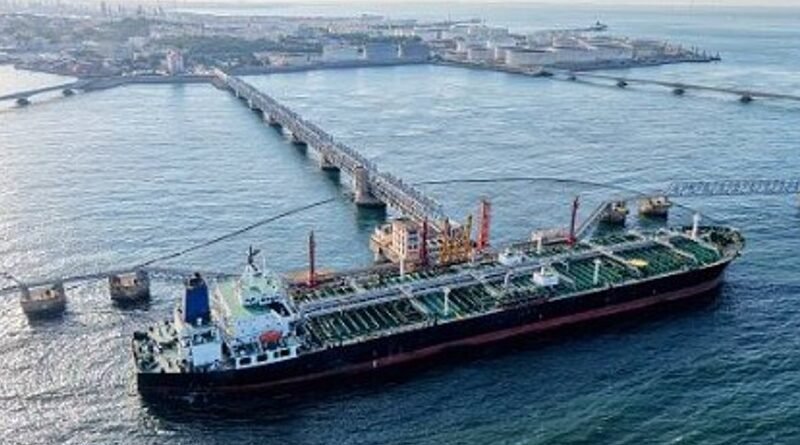
Iraq’s state-owned Oil Tankers Company has transported 2 million barrels of crude oil through the Strait of Hormuz aboard a very large crude carrier (VLCC), marking what the company described as its first operation of this kind in decades.
The move comes as oil shipping, crude oil exports, and maritime security in the strategic waterway remain affected by the conflict between the United States and Iran. By transporting the cargo through the Strait of Hormuz instead of delivering it at the port of Basra, Iraq has given its state oil marketer, SOMO, greater flexibility over where and how the crude is sold.
Iraq Expands Flexibility in Crude Oil Exports
Ali Qais Abdul Jabbar, director general of the Oil Tankers Company, said the arrangement could allow SOMO to take advantage of better sales and pricing opportunities.
The company is also working to acquire specialized crude tankers to expand its fleet and strengthen its ability to compete with regional shipping companies.
The operation marks a change in how Iraq handles some of its crude exports. Transporting the cargo through the strategic waterway provides SOMO with another option for managing international crude sales beyond delivery at Basra.

Strait of Hormuz Shipping Remains Under Pressure
Shipping through the Strait of Hormuz remains heavily affected by the U.S.-Iran conflict. Crude oil exports through the waterway had recovered to about 9.7 million barrels per day by late September, but remained well below pre-conflict levels.
During the week covered by the reported figures, 19 VLCCs crossed the Strait of Hormuz. Each vessel is capable of carrying about 2 million barrels of crude oil.
Iraq has previously obtained Iranian permission for its oil tankers to transit the Strait of Hormuz, according to the company’s statement.
The waterway remains at the center of the wider U.S.-Iran confrontation, creating uncertainty for oil producers, tanker operators, shipping companies, and energy markets operating in and around the Gulf.
Maritime Security and Global Oil Transportation
The Strait of Hormuz is one of the world’s most important energy shipping corridors, and disruption in the waterway can affect crude oil and fuel markets far beyond the Middle East.
Iraq’s latest tanker operation highlights the importance of maritime security and flexible oil transportation routes for major crude exporters. The company’s plan to acquire specialized tankers could also strengthen Iraq’s capacity to manage its own crude shipments and compete with regional shipping companies.
For SOMO, greater control over crude transportation could provide additional flexibility when pursuing international sales and pricing opportunities. At the same time, continued uncertainty around the Strait of Hormuz remains a significant issue for tanker shipping, oil transportation, energy security, and global crude oil markets.
Iraq’s move to transport crude through the strategic waterway while expanding its tanker fleet reflects efforts to maintain crude oil export flexibility amid uncertain regional security conditions.
Recommended Stories
- Drone Incident Near Basra Oil Terminal Briefly Disrupts Iraqi Crude Loading as Exports Continue
- MSC Container Ship Hit by Two Projectiles at Iraq’s Umm Qasr Port, Raising Maritime Security Concerns
- New Hormuz Shipping Attack Raises Maritime Security and Oil Supply Fears
- Yemen Houthis Seize Red Sea Island, Raising New Shipping and Maritime Security Risks