
Global Cruise Market Set to Nearly Double by 2034
The global cruise market is projected to nearly double over the next eight years, supported by rising passenger demand, fleet expansion, and growing interest in differentiated travel experiences. A new forecast from Maximize Market Research estimates that the market will grow from $19.41 billion in 2025 to $38.48 billion by 2034, representing a 7.9% compound annual growth rate (CAGR).
The growth reflects a changing cruise industry, where fleet investment, tourism growth, premium travel, and emerging cruise destinations are becoming increasingly important. Ocean cruise passenger volume reached approximately 37.2 million in 2025, up 7.5% from 2024. North America accounted for more than 22 million travelers, while the Caribbean attracted more than 16 million.
Younger Travelers Drive New Cruise Demand
Approximately 35% of ocean cruisers in 2025 were younger than 40, according to the report. First-time cruisers and multigenerational family trips are also contributing to demand, expanding the customer base for cruise operators.
This demographic shift could encourage cruise companies to invest in new onboard experiences, flexible itineraries, and differentiated travel products. For the cruise business, attracting younger and first-time passengers could support longer-term market expansion.
Mainstream Cruises Hold the Largest Share
Mainstream ships continue to account for the largest share of the market, representing 50% to 55% of the total. Premium cruise lines hold 30% to 32%, while luxury ships account for approximately 15%.
The luxury segment is attracting affluent travelers interested in smaller vessels, expedition cruises, and harder-to-reach ports. This demand is creating opportunities for cruise operators to develop specialized products and target higher-value travelers.
Asia-Pacific and Middle East Emerge as Growth Markets
North America remains the largest regional cruise market, but the report identifies the Asia-Pacific and Middle East as important areas for future growth.
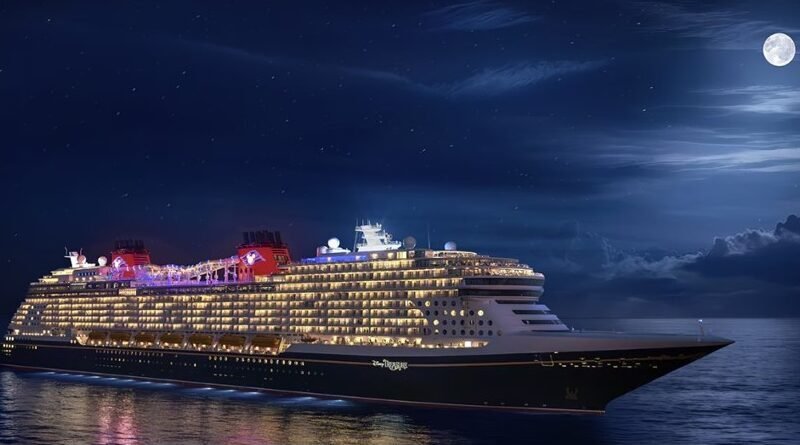
The trend is already visible in new cruise operations. Disney Adventure, the first Disney Cruise Line ship based in Asia, began sailing from Singapore in March. At the same time, Dubai continues to strengthen its position as a cruise hub.
Growing cruise activity in these regions could generate additional business for port operators, tourism companies, travel businesses, and maritime service providers as passenger volumes increase.

Cruise Fleet Expansion Supports Market Growth
The cruise industry’s vessel pipeline also reflects expectations for continued demand. The report counts 310 ocean ships in service in 2025, with nearly 80 ocean, expedition, and river vessels on order through 2036.
The expanding fleet will provide cruise operators with additional capacity and new opportunities to serve emerging markets. It also points to continued capital investment in cruise ships and maritime tourism, as companies compete through new destinations, ship designs, and specialized passenger experiences.
Cruise Tourism Heads Toward a Larger Global Market
The projected increase from $19.41 billion in 2025 to $38.48 billion by 2034 highlights the scale of expected expansion in the global cruise market. North America continues to lead, while Asia-Pacific and the Middle East are gaining importance as cruise operators expand their geographic reach.
With younger travelers joining the market, luxury and expedition cruising attracting affluent passengers, and new vessels entering service, the industry’s next growth phase is likely to be shaped by fleet modernization, regional expansion, tourism investment, and differentiated cruise experiences.