
Ports and Shipping

This category covers the latest developments in the ports and shipping sector, including maritime transport, vessel charters, shipping agreements, port operations, and logistics. It features news on commercial shipping activities, low-carbon and alternative fuel vessels, global trade movements, and strategic partnerships shaping the maritime industry. The section highlights how ports and shipping contribute to international trade, energy transport, and the transition toward sustainable and efficient maritime operations.

Ports and Shipping

LNG Shipping Investment: Capital Clean Energy Carriers Enters LNG Carrier Joint Venture with BGN Group for Long-Term Time Charter Contracts and Fleet Expansion

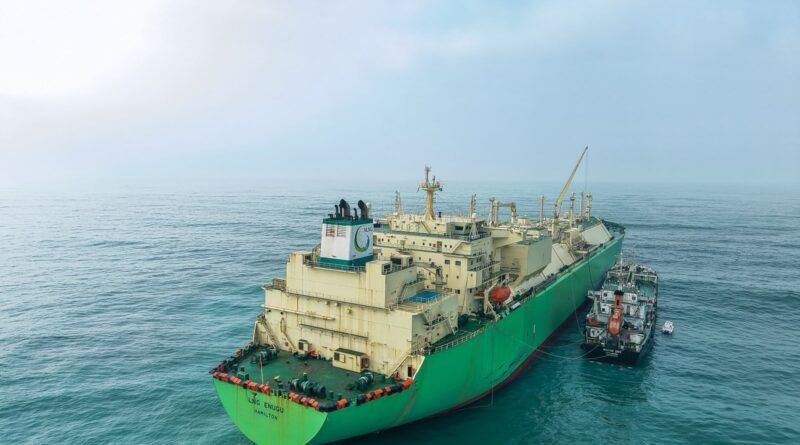
Nasdaq-listed LNG shipping investment company Capital Clean Energy Carriers (CCEC) has strengthened its position in the global LNG carrier joint venture and maritime investment sector by bringing in BGN Group in a new partnership involving long-term time charter LNG contracts. The move highlights continued demand for liquefied natural gas transport and modern shipping assets in the global energy market.

Read More
Ports and Shipping

UAE Expands Nigeria Trade Routes as Global Supply Chain Logistics and Maritime Trade Corridor Strategies Accelerate

UAE Nigeria trade routes, global supply chain logistics, and maritime trade corridor strategies are being strengthened as the United Arab Emirates steps up efforts to secure trade flows with Nigeria amid global disruptions. The move focuses on improving shipping industry performance, cargo flow efficiency, and protecting trade surplus Nigeria estimated at around $70 billion.

Read More
Ports and Shipping

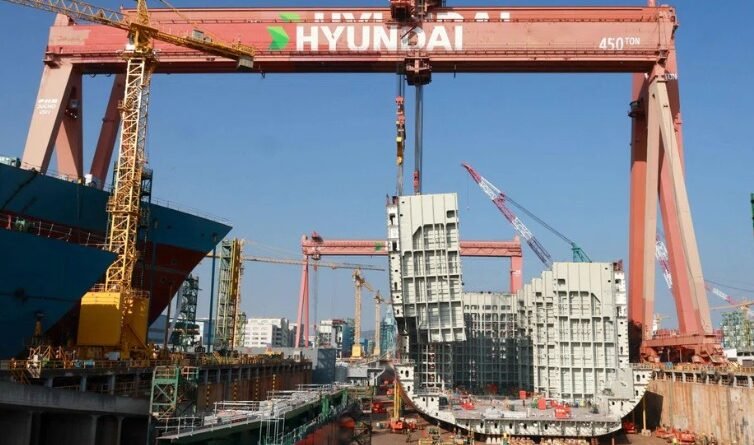
Shipbuilding Technology, Ultra Large Gantry Cranes, Global Shipyard Expansion, Heavy Lift Engineering: Hengli Heavy Sets New Records with World’s Biggest Cranes

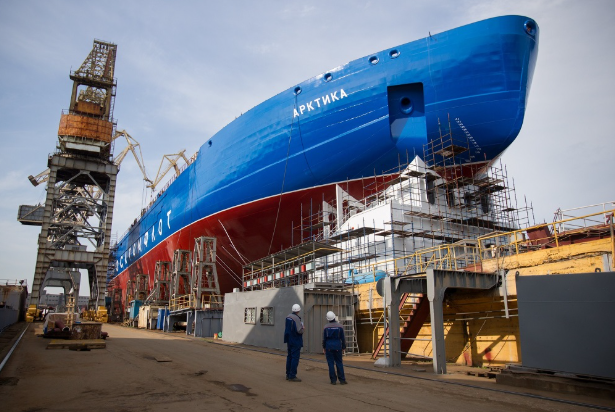
Construction of shipbuilding technology-driven infrastructure featuring ultra large gantry cranes, global shipyard expansion, and heavy lift engineering has begun at Hengli Heavy Industry’s super drydock on Changxing Island in Dalian, marking a major leap in maritime industrial capability. The project is set to break multiple world records and further strengthen Hengli’s rapid emergence as a dominant force in global shipbuilding.

Read More
Ports and Shipping

Djibouti Launches East Africa’s Largest Ship Repair Yard, Strengthening Global Maritime Trade Hub

Djibouti has taken a major leap in maritime infrastructure development with the official inauguration of the Djibouti Ship Repair Yard (DSRY) on April 4, positioning itself as a key player in global shipping, vessel maintenance, and port logistics across the Red Sea corridor and East Africa.
Speaking at the ceremony, President Ismaïl Omar Guelleh described the project as a strategic milestone for the nation’s blue economy, emphasizing Djibouti’s critical location at the gateway of the Bab el-Mandeb, one of the busiest and most commercially significant maritime chokepoints in the world.

Read More
Ports and Shipping

Russia’s Novatek Launches Shipbuilding Arm to Strengthen LNG Fleet amid Sanctions Pressure

Russia’s largest liquefied natural gas producer, Novatek, has taken a strategic step toward energy logistics independence by establishing a new tanker construction company aimed at building its own fleet and floating infrastructure.
According to reports, the newly formed entity, Severny Engineering (Northern Engineering), was officially registered on March 25. The company will be led by Ilya Lushchikov, who is also heading Novatek’s Murmansk LNG project, signaling a strong alignment between upstream production and maritime transport capabilities.

Read More
Ports and Shipping

Massive Oil Tankers Navigate Unusual Route through Strait of Hormuz, Signaling Shipping Strategy Shift

In a rare maritime maneuver, three of the world’s largest oil and gas carriers , two supertankers each loaded with approximately 2 million barrels of crude and one liquefied natural gas (LNG) vessel ,entered the Strait of Hormuz using an unconventional route along Oman’s coastline. This move appears to bypass the Iran-linked northern corridor, highlighting alternative shipping strategies amid ongoing regional tensions.

Read More
Ports and Shipping

Minister Junaid Anwar Chaudhry Orders 30-Day Action Plan to Clear Stuck Containers, Improve Port Efficiency & Reduce Shipping Delays

Federal Minister for Maritime Affairs Muhammad Junaid Anwar Chaudhry on Thursday directed port authorities to finalize and implement a comprehensive 30-day plan for shifting, auctioning, and disposing of stuck-up containers and surplus materials to ease congestion and enhance operational efficiency at port terminals.

Read More
Ports and Shipping

Saudi Arabia Boosts Export Logistics with Extended Container Fee Waiver amid Global Supply Chain Disruptions

Strengthening its position as a global logistics powerhouse, Saudi Ports Authority has expanded a key incentive designed to ease container shortages and accelerate export growth. The latest move reflects a broader push to enhance supply chain efficiency, reduce shipping costs, and support international trade flows in a volatile geopolitical environment.

Read More
Ports and Shipping

Port Qasim Petroleum Cargo Surge Boosts Pakistan Energy Security as Strait of Hormuz Crisis Redirects Global Shipping

Pakistan’s maritime trade and energy supply chain remained resilient as the Port Qasim Authority reported a significant rise in petroleum cargo handling during March, driven by shifting global shipping routes and ongoing tensions in the Persian Gulf.
Port activities across Pakistan have accelerated following Iran’s retaliatory closure of the Strait of Hormuz in response to illegal US-Israel attacks, prompting global shipping lines to reroute cargo flows toward safer regional ports, including Port Qasim.

Read More
Pakistan Maritime NewsPorts and Shipping

Pakistan Ports Become Safe Trade Hub as Global Shipping Lines Shift Routes, Boosting Transshipment, Maritime Logistics and Supply Chain Security

Pakistan’s major seaports are rapidly transforming into a high-value global trade hub, as international shipping lines reroute vessels toward safer corridors in the Arabian Sea logistics network, bypassing heightened risks in the Strait of Hormuz amid ongoing Middle East tensions. With improved port efficiency, reduced shipping costs, and faster cargo clearance, ports in Karachi are witnessing long queues of container ships, signaling a major shift in global shipping routes, maritime logistics, and supply chain resilience.

Read More
Ports and Shipping

BIMCO: 130 Container Ships Stranded in Persian Gulf as Iran Conflict Disrupts Global Shipping & Strait of Hormuz Trade

Around 130 container ships are currently stranded in the Persian Gulf, severely disrupting global maritime logistics and container shipping operations, according to the latest BIMCO Container Shipping Market Overview & Outlook, March 2026. The crisis follows the onset of attacks on Iran on February 28, effectively halting transits through the Strait of Hormuz and isolating key Persian Gulf ports from major global trade routes. This disruption impacts roughly 1.5% of the world’s container fleet capacity, while nearly 10% of the global container fleet is indirectly affected due to the interconnectedness of regional trade with Pakistan, India, and other Asian ports.

Read More
Ports and Shipping

Africa Pushes Green Ports, Maritime Finance & Decarbonization Strategy at High-Level ECOWAS Summit in Abuja

Africa’s maritime sector has taken a decisive step toward green shipping, port sustainability, and climate-aligned maritime finance as the Economic Community of West African States (ECOWAS) hosts a landmark continental workshop focused on green ports guidelines, greenhouse gas (GHG) reduction, and maritime transport reform.
Jointly organized by the African Union Commission and ECOWAS, with technical backing from Deutsche Gesellschaft für Internationale Zusammenarbeit, the event brings together top policymakers, port authorities, and maritime stakeholders to accelerate decarbonization, shipping insurance readiness, and supply chain resilience across Africa.

Read More