South Korea Sends First Container Ship through Arctic Route amid Middle East Shipping Disruptions
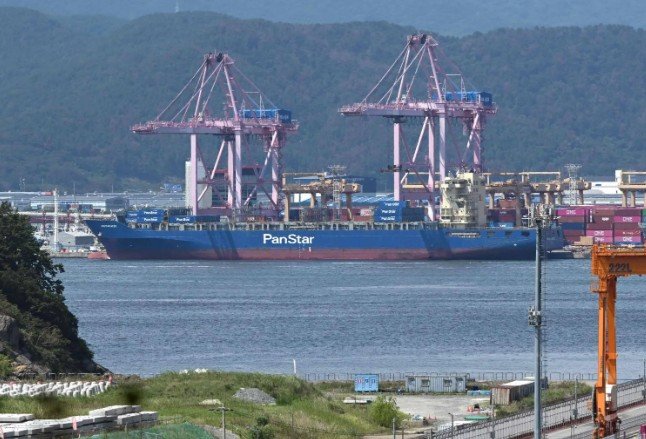
South Korea has sent its first trial container ship through the Arctic route, testing whether the increasingly ice-free Northern Sea Route can become a commercially viable alternative to traditional Asia-Europe shipping lanes.
The PanStar Acro container ship departed fromCat 9:30 p.m. on Saturday and is heading toward Europe through the Arctic. According to South Korea’s oceans ministry, the vessel will call at Felixstowe in Britain, Rotterdam in the Netherlands and Gdansk in Poland before returning to South Korea. The voyage is expected to take about 45 days.
The trial comes as the Middle East conflict has disrupted global shipping, prompting governments and shipping companies to examine alternative maritime routes. The conflict, sparked by US-Israeli strikes on Iran in February, has increased uncertainty around established shipping corridors and added pressure on the global maritime industry to diversify routes.
South Korea’s Arctic voyage is also part of a broader shift in Asian shipping strategy. The PanStar Acro’s journey follows the Chinese container ship Dubai Tower, which departed Ningbo for Europe earlier this month. That vessel sailed north through the Bering Strait before turning west along Russia’s Arctic coast.
Arctic Route Could Cut Thousands of Kilometres
The conventional maritime route between Asia and Europe passes through the Suez Canal. However, the Arctic route can reduce the distance by around 7,000 kilometres (4,300 miles) and cut approximately 10 days from the journey, according to the Korea Institute for International Economic Policy.
South Korea’s Vice Oceans Minister Nam Jae-hon said the Arctic route was “bound to become an alternative” to Middle Eastern shipping lanes as geopolitical risks and technological developments make the northern corridor increasingly competitive.
The development could have significant implications for international shipping. If the trial demonstrates that container vessels can safely and economically operate through the Arctic, shipping companies may increasingly view the Northern Sea Route as a supplementary corridor between Asia and Europe.
Arctic University of Norway political science professor Marc Lanteigne said the latest voyages by China and South Korea indicate that the Northern Sea Route (NSR) is becoming normalised as a “secondary maritime transit corridor.”
Lanteigne said a successful South Korean voyage would demonstrate Seoul’s interest in developing alternative shipping lanes. He also warned that South Korea could risk falling behind as Chinese companies expand their use of the increasingly viable Arctic route.
Russia and Sanctions Remain a Major Concern
Despite its potential commercial advantages, the Arctic route presents significant geopolitical and regulatory challenges because much of the Northern Sea Route runs along Russia’s Arctic coast.
Some experts have raised concerns that South Korean vessels using the route could face questions over Western sanctions on Russia. Ships using the corridor may rely on Russian navigation and weather services and make payments for those services, although the payments involved are expected to be relatively small.
South Korea’s foreign ministry declined to comment on the concerns related to Russia. The oceans ministry said that consultations with key countries and agencies had been completed and that the administrative procedures required for the voyage had been implemented.
University of Oslo Korean Studies professor Vladimir Tikhonov noted that, strictly speaking, US and EU sanctions are not international law in the same way as United Nations sanctions.
He said continued uncertainty in the Middle East could leave South Korea with limited alternatives if the Arctic route proves economically viable.
Arctic Shipping Is Becoming a Strategic Option
The South Korean trial is significant not simply because of the distance saved, but because it reflects a wider transformation in global shipping strategy. Geopolitical disruption, advances in vessel technology and changing Arctic ice conditions are increasingly making alternative sea lanes part of commercial risk planning.
However, the Northern Sea Route is unlikely to immediately replace the Suez Canal. Seasonal ice, extreme weather, limited infrastructure, navigation challenges, higher insurance considerations and geopolitical sensitivities remain major barriers to regular container operations.
The key test for South Korea will therefore be whether the Arctic route can move beyond a high-profile trial and demonstrate reliable, safe and economically competitive year-round or seasonal operations. If successful, the voyage could strengthen South Korea’s position in the emerging Arctic shipping market while adding another alternative to traditional Asia-Europe maritime routes.
For global shipping, the development highlights an important trend: as geopolitical risks reshape established trade corridors, Arctic navigation is increasingly being considered not only as a climate-driven phenomenon but also as a strategic component of future maritime connectivity.