Geoquip Marine Reaches Bondholder Agreement as Offshore Wind Demand Faces Prolonged Pressure
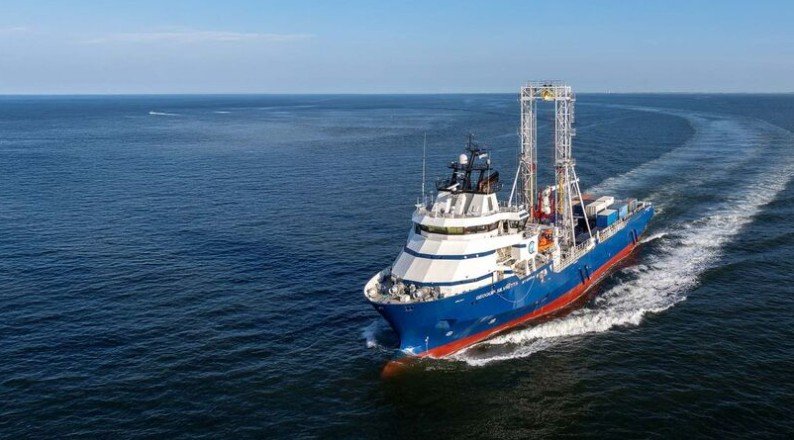
Switzerland-headquartered marine geotechnical company Geoquip Marine has reached an agreement with its bondholders following a period of financial uncertainty linked primarily to weaker demand in the offshore wind sector. The company is now preparing for a potential recovery in the offshore wind market, while continuing cost-saving measures and targeted investments in its marine equipment and vessel capabilities.
Geoquip Marine said 2025 recorded significantly less awarded capacity than in previous years as a more challenging offshore wind outlook contributed to auction delays and cancellations. The weaker market environment continued into the first half of 2026, with the company reporting weak performance amid what it described as “very challenging market conditions in the offshore wind geotechnical sector.”

During the first half of 2026, Geoquip Marine’s revenue was affected by a lower opening backlog, reduced tendering activity during the second half of 2025, and the continued postponement and de-scoping of offshore wind projects. These factors resulted in lower vessel utilisation compared with the previous year, with the impact particularly pronounced in the European market.
The weaker first-half performance and the outlook for the second half of 2026 prompted Geoquip Marine to approach its bondholders for a waiver of the leverage ratio covenant under its bond. A written resolution was submitted to bondholders on 10 September 2026, and the company has now reached an agreement with the majority of bondholders covering the waiver and certain other amendments to the bond.
The agreement also includes financial support from shareholders. Shareholders have undertaken to inject up to US$24 million in cash into the group, including US$12 million by 2 October 2026.
Geoquip Marine also recently completed the voluntary liquidation of its Nigerian legal entity. The company said the liquidation is not expected to have a material impact on its interim financial statements.
Alongside the bondholder agreement, Geoquip Marine has continued implementing cost-saving measures during the quarter. The company said its operating expenses are declining as a result of these initiatives.
Capital expenditure during the first half of 2026 remained limited to targeted investments in equipment upgrades and capability enhancements considered necessary to execute work secured during 2026 and maintain its assets in good working condition. The investments were principally related to vessel and rig upgrades, as well as enhanced equipment capabilities, including deep-water capabilities.
Based on its current financial forecasts, Geoquip Marine management expects the group to return to compliance with its leverage ratio covenant by the end of the third quarter of 2027. This will be the first test date for the leverage ratio covenant under the proposed amendments.
Tender Activity Points to Potential Market Recovery
According to a presentation delivered by Geoquip Marine at Pareto Securities’ 33rd Annual Energy Conference, the company has recorded a significant increase in overall tender value received during 2026. As of July, the company said the tender value represented the highest level it had ever recorded.
Geoquip Marine reported that year-to-date 2026 represented the third-largest tender value for offshore wind over the past eight years and the largest tender value for oil and gas. The majority of tenders received year-to-date relate to work scheduled for 2027, indicating a stronger forward pipeline despite current market pressures.
Geoquip Marine reported US$36 million in revenue in H1 2026, while its backlog at the end of H1 2026, updated as of mid-September, stood at approximately US$40 million.
The company expects the offshore wind and marine geotechnical market to recover in 2027, with management forecasting that the second half of 2027 will be stronger than the first half of the year.
Recommended Stories
- Ardersier Port Partners with Dajin to Strengthen Offshore Wind Logistics in UK and Europe
- First U.S.-Built Jones Act Rock Installation Vessel Acadia Delivered as Offshore Wind Market Shifts Toward Global Opportunities
- Germany Offshore Wind Policy Crisis Deepens as Industry Demands Clear Roadmap before Maritime Conference
- World’s Largest Subsea Rock Installation Vessel “Windpiper” Arrives in Rotterdam for Offshore Wind Projects