New Seaweed Species Discovery in Cornwall Highlights Marine Biodiversity and Ocean Conservation
Marine biodiversity surveys conducted by Natural England have revealed a remarkable collection of rare seaweed species, including a tiny red algae species confirmed as new to science, highlighting the importance of marine habitat conservation, sustainable fisheries management, and protection of vulnerable coastal ecosystems.
Underwater surveys of maerl beds off the south coast of Cornwall uncovered several scientifically significant discoveries, including species that had not been recorded in UK waters before and others that had not been observed for centuries. The findings demonstrate that even well-studied marine regions still contain unexplored biodiversity with major implications for ocean conservation and marine ecosystem management.
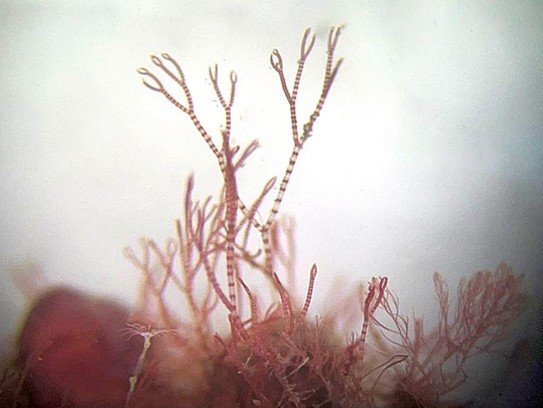
The newly identified species belongs to the Ceramium (pincer weed) group, a microscopic red seaweed measuring only a few millimetres in size. Due to its extremely small structure, scientists were previously unable to identify it accurately. Divers collected living samples from the seabed, allowing researchers to cultivate the organism in laboratory conditions and perform DNA sequencing for the first time, confirming its status as a species new to science.
Natural England Senior Marine Officer Angie Gall said the discoveries demonstrate the exceptional ecological value of maerl habitats. Surveys have already documented more than 350 species living on the surface of Cornwall’s maerl beds, while many additional organisms remain hidden within the complex structure of these habitats or appear only during certain seasons.
“Maerl beds are living archives of our natural history,” Gall said, emphasizing that protecting these ecosystems is essential to safeguarding marine biodiversity for future generations.
The surveys also recorded several other important seaweed discoveries, including Ulva rigida, a green sea lettuce species never previously confirmed in the United Kingdom, Neofolia rosea (little rosy tongue weed), previously recorded only once in the UK at the same location, and Bonnemaisonia clavata, a delicate red seaweed species last observed in British waters during the 18th century.
Marine scientists described the findings as a major contribution to global seaweed taxonomy and biodiversity research. Professor Christine Maggs, a leading authority in seaweed classification, noted that the tiny Ceramium species had first been encountered in the early 1980s but remained an unresolved scientific mystery until recent surveys provided enough living material for detailed investigation.
Maerl beds, created by slow-growing coral-like red algae, are among the most biodiverse shallow-water marine habitats in the North East Atlantic Ocean. These fragile ecosystems provide essential nursery areas and shelter for commercially important fish species, support marine food webs, and contribute to climate regulation by storing carbon within seabed sediments.
The discoveries followed initial observations by citizen scientists participating in the Seasearch programme. Further investigations by Natural England during 2023 and 2024 revealed extensive previously unknown areas of maerl habitat along England’s south coast, demonstrating that significant marine ecosystems remain undiscovered even in heavily studied waters.
Seaweed expert Francis Bunker, who identified the newly discovered Ceramium species, highlighted the wider importance of the findings, stating that discovering species new to science in UK waters demonstrates how much marine biodiversity remains unknown and vulnerable to human impacts.
The discovery of new seaweed species in Cornwall’s maerl beds carries broader significance for the future of marine conservation, blue economy planning, and sustainable ocean management. These habitats represent natural infrastructure that supports fisheries productivity, carbon storage, and coastal ecosystem resilience. However, the fact that scientists are still discovering unknown species in European waters indicates that marine biodiversity assessments remain incomplete. Activities such as bottom-contact fishing, pollution, ocean warming, and climate change could damage these ecosystems before their ecological value is fully understood. Protecting maerl habitats is therefore not only a conservation priority but also an investment in long-term fisheries sustainability and climate resilience.
The findings reinforce calls for stronger protection of vulnerable marine ecosystems and improved scientific monitoring to ensure that undiscovered species and critical ocean habitats are preserved before irreversible damage occurs.
Read: Scientists Explore Gene Editing to Build Climate-Resilient Kelp Forests and Protect Ocean Ecosystems