Rhine Water Levels Fall Below Shipping Threshold as Freight Costs Rise
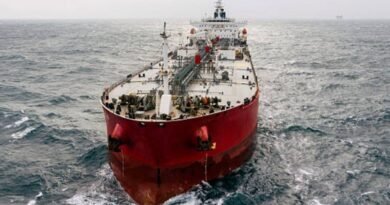
Rhine River water levels fell to record lows over the weekend, putting pressure on a major shipping and logistics route for energy and industrial commodities across central Europe and driving freight costs higher.
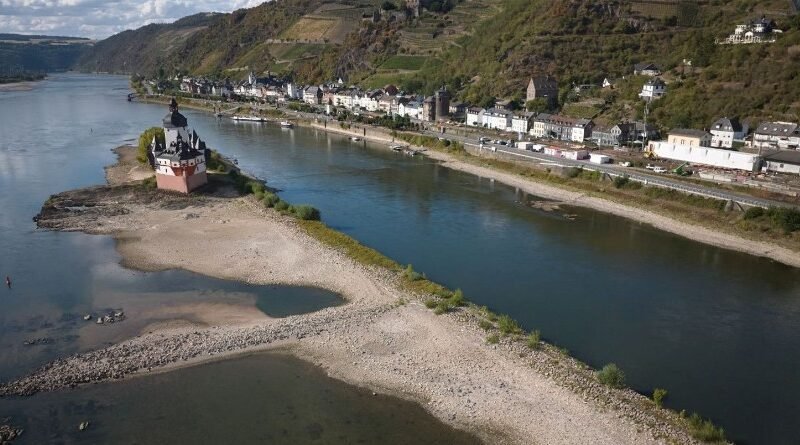
At Kaub, water levels dropped to 3cm below a key shipping threshold on Saturday. The benchmark is used by ship operators to determine how much cargo vessels can safely carry without risking damage or running aground.
Low Water Levels Increase Shipping Costs
Water levels at the critical Kaub chokepoint recovered from negative readings over the weekend, reaching 2cm on Monday, according to data from Germany’s Federal Waterways and Shipping Administration.
The impact is already visible in fuel transportation costs. The cost of shipping diesel from Rotterdam to Karlsruhe increased 15% on Monday, after more than doubling during September as dry conditions continued.
The Rhine is an important transportation route for coal, fuel and industrial commodities. Major chemical plants, refineries and steel facilities operated by companies including BASF SE, Bayer, Covestro AG and Shell plc are located along the river, which connects European industrial centres with global markets.

Drought Adds Pressure to European Industry
Western Europe’s hottest summer has brought repeated periods of heat and drought, sharply reducing water flows into the Rhine.
The months-long disruption has forced some chemical producers to curb production or declare force majeure on certain products. The situation adds pressure to Europe’s chemical industry, which is already dealing with weak demand, high energy costs and intensifying competition.
Companies operating along the Rhine are also facing uncertainty over the reliability of the waterway during prolonged dry conditions. The disruption has highlighted differences between businesses that have prepared for drought-related risks and those that have not.
Rhine Disruption Creates Wider Logistics Risk
Arne Lohmann Rasmussen, head of research at Global Risk Management, said replacing the Rhine’s freight capacity would be difficult and could require 3,000 tanker trucks each day to compensate for oil cargoes alone.
In an analysis posted to LinkedIn, Rasmussen described low Rhine water levels as an additional challenge for the German economy and said the longer-term issue was that low water was becoming a recurring economic, logistical and regional price risk, rather than only an occasional weather event.
The assessment highlights the potential effect of prolonged low water levels on freight transportation, fuel logistics and industrial supply chains, particularly when companies depend heavily on the Rhine for the movement of commodities.
Rhine Water Levels Could Fall Again
Water levels at Kaub could fall below the shipping threshold again on Tuesday evening, according to forecasts from the German Federal Institute of Hydrology.
Dry conditions are expected to continue across the region this week, although river levels are expected to begin rebounding by early October.
For the European shipping and industrial sectors, the immediate focus remains on river conditions, cargo capacity and the resulting impact on freight rates, fuel transportation and logistics costs.