Sweden Trials Light-Guided Shrimp Fishing Technology in Push for Sustainable Fisheries and Seabed Protection
The global maritime industry is watching closely as Sweden tests a groundbreaking light-guided shrimp fishing system designed to cut the environmental footprint of bottom trawling and advance sustainable fisheries management across European waters. The trial arrives at a critical moment, as Swedish policymakers debate tighter restrictions on bottom trawling within marine protected areas, prompting coastal fishing communities and industry stakeholders to search for solutions that protect ocean ecosystems without sacrificing economic viability.
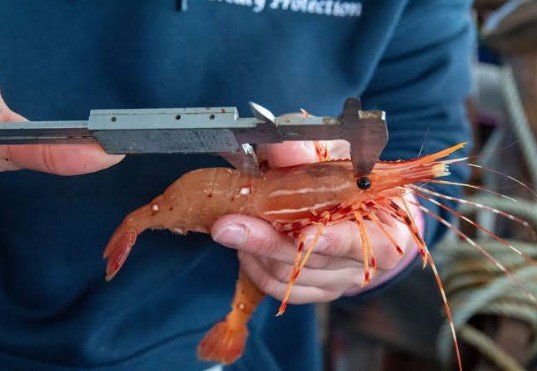
At the center of this maritime innovation is the EU-funded “Light Trawling” project, which is testing whether underwater lights can effectively guide shrimp into fishing nets without the need to drag heavy trawl gear across the seafloor. Early findings suggest that if the light-guided fishing technology proves viable, it could deliver major benefits for the blue economy , including reduced seabed disturbance, lower fuel consumption, less wear on fishing equipment, and stronger long-term sustainability for commercial fisheries.
The concept draws inspiration from pioneering fisheries research conducted in Iceland and is championed by veteran Swedish fisherman Sixten Söderberg, an 85-year-old industry figure with more than five decades of experience at sea. Söderberg has been vocal about the urgent need for innovation in modern fishing practices, stating that a healthier marine environment depends on new methods capable of safeguarding ecosystems while keeping catches commercially viable for coastal communities.
The project brings together a multidisciplinary maritime partnership: Sotenäs Municipality, which leads the initiative; FF Norden, the fishing association representing local fishers who are field-testing the equipment under real-world commercial fishing conditions; and Chalmers Industriteknik, which contributes technical expertise in blue economy innovation, circular economy practices, and sustainable marine technology development.
Unlike conventional shrimp trawling, which scrapes heavy gear along the ocean floor, this next-generation fishing technology uses specially engineered underwater lighting systems to attract and guide shrimp upward into nets suspended off the seabed. By eliminating direct seabed contact, the system has strong potential to protect sensitive marine habitats while reducing water resistance through lighter gear , translating into lower fuel costs, reduced carbon emissions, and decreased vessel maintenance.
Researchers are continuing to fine-tune the prototype for Swedish marine conditions, closely evaluating variables such as current strength, water clarity, light intensity and performance, gear stability, and the optimal operating height above the seabed needed to maintain efficient shrimp yields. Extensive sea trials are underway to confirm the technology’s reliability under full commercial fishing conditions.
Project partners have emphasized that EU funding has been instrumental in enabling this research and development effort, allowing fishers and marine scientists to test innovative fishing gear that would otherwise carry significant financial risk for individual operators.
While testing is ongoing, early signals point to light-guided shrimp fishing as a promising, scalable alternative to traditional bottom trawling. If proven successful at commercial scale, the technology could play a meaningful role in protecting marine biodiversity, lowering operational costs for fishing fleets, strengthening Europe’s blue economy, and securing the long-term future of coastal fishing communities.