IMO Backs Vanuatu’s Maritime Security Overhaul amid Rising Global Port Facility Security Standards
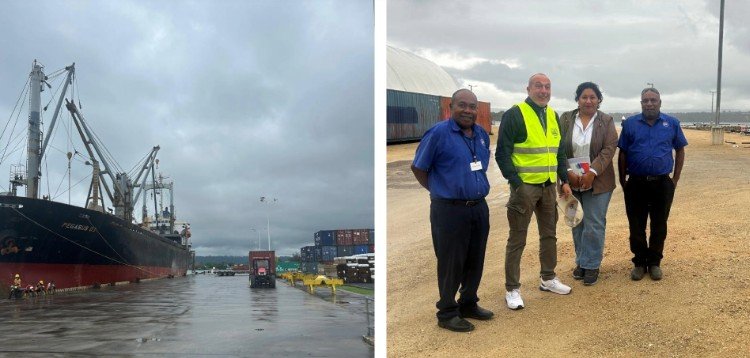
The International Maritime Organization (IMO) has thrown its support behind Vanuatu’s efforts to reinforce its maritime security framework, deploying a dedicated needs-assessment mission to the Pacific island nation’s key ports of Port Vila and Luganville between 20–24 July. The mission, carried out in close consultation with national stakeholders, forms part of a broader push to align Vanuatu’s port and shipping security infrastructure with international maritime security compliance standards under SOLAS Chapter XI-2 and the ISPS Code.
As a Small Island Developing State (SIDS), Vanuatu depends heavily on a safe, secure, and resilient maritime transport network to sustain trade, tourism, supply-chain continuity, and access to essential goods ,making robust port facility security measures a strategic economic priority rather than a mere regulatory checkbox. The International Ship and Port Facility Security (ISPS) Code, mandatory under the International Convention for the Safety of Life at Sea (SOLAS, Chapter XI-2), sets out binding security requirements and guidelines designed to safeguard international shipping and port operations from evolving security threats, including piracy, smuggling, and unauthorized access.
During the assessment, IMO experts and Vanuatu officials reviewed the country’s national maritime and port security governance, legal frameworks, oversight responsibilities, and operational protocols. Physical and operational security measures at the Port Vila and Luganville port facilities were also evaluated, alongside existing port facility security assessments and security plans. The exercise culminated in a set of targeted, practical recommendations aimed at strengthening Vanuatu’s long-term maritime security resilience and closing implementation gaps in ISPS Code compliance.
This capacity-building mission was delivered under IMO’s Enhanced Global Maritime Security Thematic Programme, part of the wider Integrated Technical Cooperation Programme (ITCP), which supports IMO Member States , particularly developing and island nations ,in implementing and sustaining effective maritime and port security systems. It complements IMO’s ongoing, coordinated technical assistance to Vanuatu, which spans broader maritime administration reforms, institutional strengthening, and national capacity development for effective implementation of IMO instruments.
The initiative brought together multiple national authorities, including the Vanuatu Maritime Safety Authority (VMSA) as the lead agency, with support from the Ports and Harbours Department, the Office of the Attorney General, the Biosecurity Department, the Department of Fisheries, and port facility representatives , reflecting a whole-of-government approach to maritime security governance.
This mission underscores a growing trend among Pacific Island nations to future-proof their maritime infrastructure against both traditional security threats and the operational risks tied to increased shipping traffic and tourism recovery post-pandemic. For Small Island Developing States like Vanuatu, port facility security isn’t just about regulatory compliance , it’s directly tied to economic resilience, since disruptions to port operations can cascade into supply-chain bottlenecks affecting food security, fuel access, and trade competitiveness.
IMO’s continued technical assistance also signals a broader shift in global maritime governance: rather than a one-size-fits-all enforcement model, the organization is increasingly tailoring capacity-building support to the specific vulnerabilities of smaller maritime administrations that often lack the institutional bandwidth to independently meet SOLAS and ISPS obligations. This kind of targeted, multi-agency engagement , spanning biosecurity, fisheries, and legal oversight alongside maritime authorities,may serve as a template for similar interventions across other Pacific and Caribbean SIDS grappling with comparable maritime security capacity gaps.