CMA CGM Container Ship Hit in Strait of Hormuz as Gulf Shipping Crisis Escalates
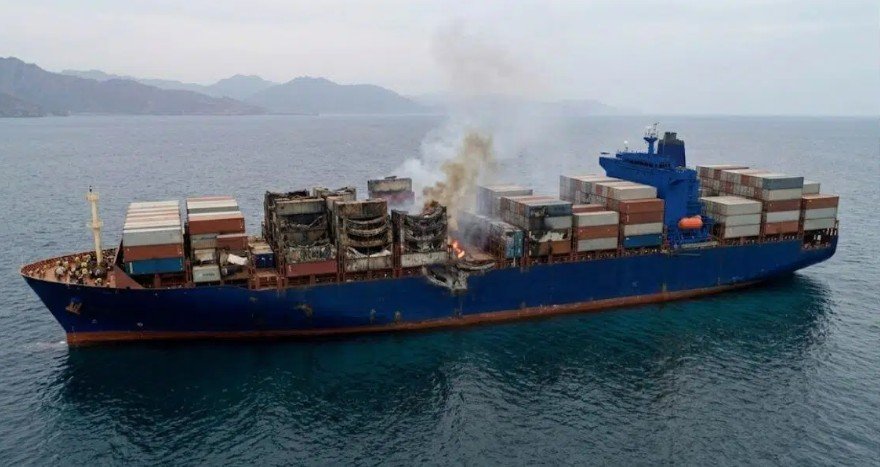
Global shipping tensions in the Strait of Hormuz intensified after a CMA CGM container vessel came under attack during transit, leaving eight crew members injured and raising fresh concerns over maritime security in one of the world’s most critical oil and cargo routes.
The Malta-flagged container ship San Antonio was struck on Tuesday while sailing near Oman amid the ongoing US-Iran conflict, according to maritime and international shipping sources. French shipping giant CMA CGM confirmed on Wednesday that several seafarers were wounded in the incident and later evacuated for medical treatment. The company declined to provide additional operational details.
The attack marks the latest escalation in the growing security crisis affecting commercial shipping traffic across the Gulf region. Since the conflict erupted, dozens of merchant vessels have faced disruptions, with maritime authorities reporting severe pressure on global supply chains and energy transportation. The Strait of Hormuz handles nearly 20% of the world’s oil trade, making any disruption a major concern for the global shipping industry, oil markets, and international trade.
According to the International Maritime Organization, the strike on the San Antonio represents the 32nd shipping-related incident recorded since the start of the regional conflict. French government spokesperson Maud Bregeon stated that France was not specifically targeted in the attack and confirmed that the injured crew members were from the Philippines.
A maritime security source said the vessel was reportedly hit by an Iranian projectile during a nighttime transit near the coast of Oman. It remains unclear whether the ship was operating under the recently announced US-led naval escort mission designed to assist commercial vessels trapped in the Gulf. Vessel tracking data showed the San Antonio stopped transmitting its location shortly after the incident early Tuesday.
The security environment in the Gulf remains volatile despite ongoing diplomatic negotiations between Washington and Tehran. Earlier this week, the United States launched an operation aimed at escorting ships safely through the Strait of Hormuz, allowing two US-flagged vessels to exit the Gulf. However, US President Donald Trump later indicated the operation would temporarily pause as talks toward a broader agreement with Iran continued. Sources familiar with the negotiations said both sides were nearing an initial understanding to reduce tensions.
Meanwhile, Iranian state media reported that Tehran had issued a revised maritime control map expanding zones it considers under its authority within the strategic waterway, further increasing uncertainty for international shipping companies and marine insurers.
In a separate development, another CMA CGM-operated container ship, the Saigon, successfully exited the Gulf and was later tracked sailing south of Muscat along Oman’s coastline. CMA CGM confirmed the vessel had safely departed the region but did not provide additional comment. Shipping data indicated the vessel’s next destination was Colombo, Sri Lanka.
Jakob Larsen, chief safety and security officer at BIMCO, said the latest events demonstrated the growing dangers facing merchant ships navigating the region without direct coordination.
“While a few ships made it out safely during ‘Project Freedom,’ it became clear that transits without coordination with Iran involved significant operational risk,” Larsen said.
The Saigon is now the second CMA CGM vessel to leave the Gulf since the crisis began, following the earlier departure of the Kribi. At the beginning of the conflict, the company indicated that 14 of its vessels had been stranded in the region due to escalating security threats.
As military tensions continue to disrupt maritime trade routes, shipping companies, insurers, and global energy markets remain on high alert over the risk of further attacks in the Strait of Hormuz, a chokepoint critical to global container shipping and crude oil transportation.