
Southeast Asia Strengthens Domestic Ferry Safety with Digital Maritime Reforms and Regional Cooperation
Southeast Asia has taken a significant step toward improving domestic ferry safety as Thailand, Indonesia and Malaysia introduced national strategies aimed at strengthening maritime transport, enhancing passenger safety and modernizing ferry operations. The initiatives were developed through a series of high-level national roundtables organized under the EU-ASEAN Sustainable Connectivity Package (SCOPE) Ship Safety Project, reflecting the region’s growing commitment to safer and more resilient maritime transportation.
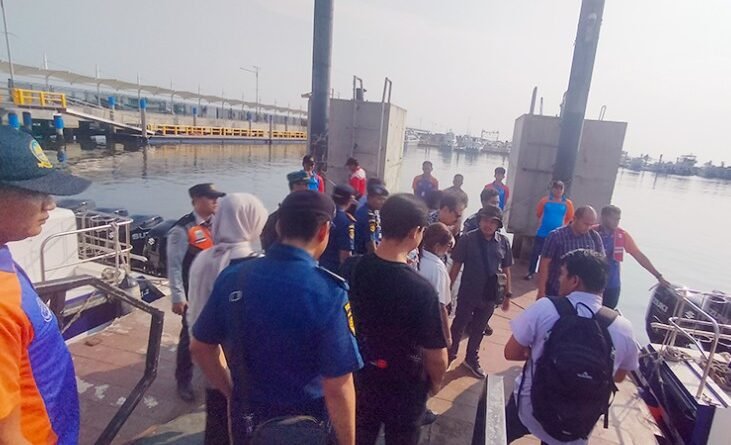
The roundtable meetings were held in Bangkok, Thailand (6–7 May), Jakarta, Indonesia (25–26 June), and Langkawi, Malaysia (29–30 June). The discussions brought together government officials, maritime regulators, ferry operators, industry experts and civil society representatives to identify practical reforms that can improve domestic ferry services while aligning national practices with internationally recognized maritime safety standards.
The meetings concluded with strong national commitments to modernize ferry operations through digital transformation, enhanced regulatory enforcement and improved infrastructure. The participating countries agreed that adopting modern technologies and strengthening operational oversight will play a critical role in reducing maritime accidents, improving passenger protection and supporting sustainable maritime connectivity across the ASEAN region.
Thailand presented an ambitious roadmap designed to position the country as a “World-Class Ferry Hub.” The strategy combines existing ship survey regulations with stronger enforcement mechanisms while introducing mandatory digital passenger registration systems to improve passenger tracking and emergency response capabilities.
Indonesia emphasized a comprehensive safety strategy focused on upgrading its traditional wooden Pinisi vessels and expanding centralized digital passenger manifest systems. Maritime authorities highlighted that digital manifests will help prevent ferry overloading and overcrowding,two longstanding challenges affecting domestic ferry safety across the country’s vast archipelago.
Malaysia introduced plans for a new Blueprint for Malaysia’s Domestic Ferries, placing priority on standardizing regulations for non-classed vessels while developing a unified national digital database for vessel registration and maritime accident reporting. Officials believe these measures will strengthen regulatory oversight and improve operational transparency throughout the country’s domestic ferry network.
Beyond regulatory reforms, the discussions also reinforced the importance of Gender Equality and Social Inclusion (GESI) in future ferry safety policies. Participants recommended improving passenger accessibility by upgrading ferry terminals and vessels with features such as handrails, ramps and clearer passenger signage. Additional recommendations included gender-sensitive crew training and specialized emergency response programs to ensure safer travel for all passengers.
The roundtables also promoted the use of IMO Resolution MSC.518(105) as a model framework for harmonizing domestic ferry safety standards across ASEAN member states. The framework provides guidance on vessel certification, crew requirements, safety management systems, navigation and communication equipment, as well as life-saving appliances. Countries can adapt these model regulations to meet their own national operational needs while maintaining internationally recognized safety principles.
Read:Pakistan, Bangladesh Explore Ferry Service and Direct Shipping Line to Strengthen Trade and Tourism
With the national consultations completed, the EU-ASEAN SCOPE Ship Safety Project is now moving toward a broader regional phase. The next stage will establish an ASEAN Knowledge Exchange, allowing member states to share best practices, exchange technical expertise and develop collaborative regional roadmaps that further strengthen domestic ferry safety, maritime governance and sustainable maritime connectivity across Southeast Asia.
Source: International Maritime Organization (IMO)