Oman Unveils Gulf-Backed Strait of Hormuz Plan: Voluntary Shipping Fees Could End Trade Disruption
Key maritime chokepoint proposal aims to restore free navigation through the Strait of Hormuz as tensions between the U.S., Israel, and Iran continue to disrupt global oil and LNG shipping routes.
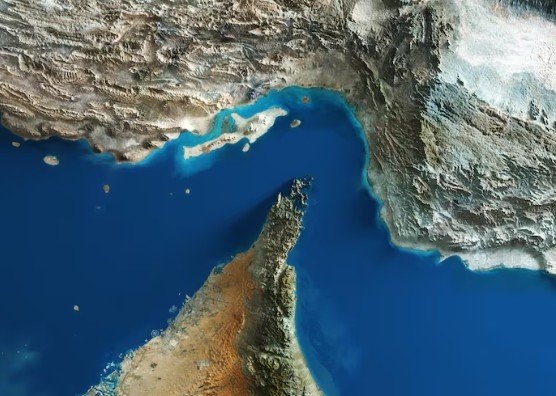
Oman has put forward a Gulf-backed proposal to Iran aimed at resolving the ongoing crisis in the Strait of Hormuz ,one of the world’s most critical maritime chokepoints for oil tankers and LNG carriers. The plan, which includes a system of voluntary shipping fees, was confirmed by a Gulf source and a Western diplomat.
If accepted, the proposal could mark a turning point for global shipping companies and the broader maritime trade industry, which has faced significant disruption since the U.S.-Israeli military campaign against Iran began earlier this year.
What the Strait of Hormuz Proposal Involves
Under the Omani plan, Iran would not have sole control over the strait. Instead, a regional mechanism , backed by Gulf states , would manage transit through the waterway, with ships asked to make voluntary contributions rather than mandatory tolls.
The model closely mirrors the shipping fee framework already in place in the Strait of Malacca, where Indonesia, Malaysia, and Singapore invite vessels to contribute voluntarily toward navigation safety, environmental protection, and search-and-rescue services.
A Western diplomat briefed on the matter compared the mechanism to a voluntary carbon offset fee charged on airline tickets , travelers can choose whether or not to pay toward emissions offsetting, and the Hormuz plan would work on a similar opt-in basis for shipping operators.
As of Monday evening, Iran had not issued a formal response to the proposal, according to the Gulf source. Omani officials reportedly met with Iranian counterparts in Tehran over the weekend to discuss the framework directly.
Why the Strait of Hormuz Matters for Global Shipping
The Strait of Hormuz is one of the busiest and most strategically vital shipping lanes on earth, historically carrying roughly one-fifth of the world’s oil and liquefied natural gas (LNG) shipments. Any disruption to tanker traffic through this corridor sends immediate shockwaves through global energy markets and maritime freight rates.
Iran effectively closed the strait to non-Iranian vessels after the United States and Israel launched military strikes on February 28, severely restricting commercial shipping traffic through the waterway. A partial reopening followed a U.S.-Iran agreement last month, but that arrangement collapsed in early July after Iran fired on ships using a transit channel it does not recognize.
Iran has consistently pushed for joint management of the strait alongside Oman, along with the right to charge service fees to transiting vessels. Washington, on the other hand, has insisted on returning to the pre-war status quo , free passage for all ships with no fees , arguing that mandatory charges would violate international maritime law.
Trump’s Bombing Campaign Pause and Ongoing Negotiations
The renewed U.S. military campaign against Iran, launched earlier this month, was aimed at breaking Tehran’s grip on the strait. However, President Donald Trump abruptly suspended the two-week bombing campaign over the weekend, citing advice from military commanders that the strategy had “run its course.”
The 13 nights of U.S. airstrikes reportedly killed scores of people in Iran and destroyed bridges, tunnels, and military infrastructure across the south of the country. Iran responded with strikes on U.S. military bases in neighboring countries , killing four U.S. service members ,and attacks on civilian infrastructure in Gulf states, which Tehran said were retaliation for strikes on its own civilian targets.
While Iran has stated it will hold fire as long as Washington does the same, drone attacks were reported in Jordan, Saudi Arabia, and northern Iran on Monday, with Jordan intercepting another drone on Tuesday.
Speaking Monday, Trump struck a cautiously optimistic tone on reaching a resolution, stating: “I think there’s a good chance that something could happen, and if it does, good, if it doesn’t, we go back to doing what we were doing two days ago.”
Iran, for its part, denies actively seeking new negotiations with Washington and accuses the U.S. of violating the terms of last month’s framework agreement.
Regional Diplomacy Intensifies
Iranian Foreign Minister Abbas Araqchi held separate talks with his Omani and Saudi counterparts on Monday, emphasizing the importance of regional cooperation in resolving the Strait of Hormuz standoff, according to a statement from Iran’s Foreign Ministry.
Trump is scheduled to meet Israeli Prime Minister Benjamin Netanyahu in Washington on Tuesday. Although Israel took part in the initial bombing campaign, it has reportedly not been involved in subsequent peace negotiations, and relations between the two leaders have grown notably strained. Trump has reportedly had to restrain Netanyahu from expanding strikes into Lebanon against Iran-backed Hezbollah forces , a move that risked further complicating diplomatic efforts with Tehran.
Oil Markets React to De-escalation
Global oil markets responded swiftly to news of the paused U.S. bombing campaign, with prices tumbling roughly 8% on Monday ,a decline that continued into Tuesday trading. Brent crude futures dropped more than 2.5%, trading around $86 a barrel by mid-morning Tuesday.
The price movement underscores just how closely energy markets and maritime shipping routes are tied to developments in the Strait of Hormuz, and why any credible de-escalation plan , such as Oman’s voluntary fee proposal , carries such significant weight for global trade.
What’s Next for Strait of Hormuz Shipping
Washington and Tehran reached a framework agreement in June for talks intended to conclude by the end of August, covering major disputes including Iran’s nuclear program. However, the two sides remain divided over how to interpret the memorandum’s language regarding the strait , the U.S. maintains it guarantees free transit, while Iran argues it grants Tehran supervisory authority over shipping through the corridor.
For now, the shipping and maritime trade industry will be watching closely to see whether Iran formally responds to Oman’s Gulf-backed proposal ,a development that could determine the future of safe passage, tanker traffic, and energy shipments through one of the world’s most important maritime corridors.