Pakistan Business Forum Calls for Blue Economy Focus in Budget 2026-27 to Unlock $15 Billion Maritime Economy
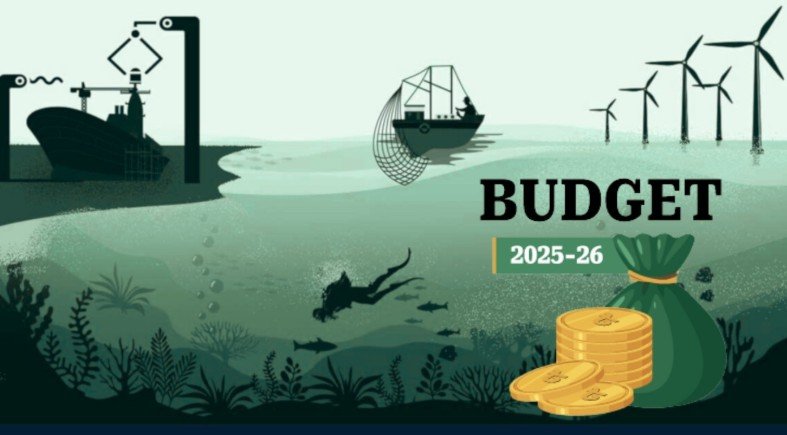
The Pakistan Business Forum (PBF) has called on the government to place the blue economy at the heart of the Federal Budget 2026-27, stating that Pakistan risks missing a major economic opportunity in a maritime sector capable of generating more than $15 billion annually through exports, investment, employment, fisheries, logistics, tourism and renewable energy.
PBF Chief Organiser Ahmad Jawad said the upcoming budget presents a critical opportunity to shift national economic priorities beyond traditional sectors and capitalize on Pakistan’s vast maritime resources.
“The June 10 budget can serve as a turning point for Pakistan’s maritime future. The blue economy should be recognized as a strategic pillar of economic development rather than a secondary policy consideration,” Jawad said.
He highlighted Pakistan’s strong maritime advantages, including its 1,050-kilometre Arabian Sea coastline, strategically located ports, international trade routes and a vast Exclusive Economic Zone (EEZ). Following the United Nations’ approval of Pakistan’s extended continental shelf, the country’s maritime jurisdiction now spans nearly 290,000 square kilometres.
According to Jawad, this maritime space contains substantial fisheries resources, mineral reserves, tourism destinations, shipping corridors, logistics opportunities and renewable energy potential that remain largely underutilized.
He noted that while the global blue economy contributes more than $2.5 trillion annually and supports hundreds of millions of jobs worldwide, Pakistan has yet to fully leverage its geographic and maritime advantages.
To accelerate development, the PBF proposed establishing a National Blue Economy Development Fund with an initial allocation of Rs30 billion. The proposed fund would support investment in fisheries, aquaculture, seafood processing, maritime logistics, shipbuilding, coastal tourism and marine renewable energy projects.
Fisheries and Seafood Exports Need Modern Infrastructure
Jawad identified fisheries and aquaculture as among the most promising sectors within Pakistan’s blue economy. He noted that the country’s coastal waters are rich in commercially valuable species such as tuna, shrimp, lobster, crab, mackerel and sardines, yet seafood exports remain below their potential.
He urged the government to allocate resources for modern fish harbours, seafood processing facilities, cold storage infrastructure, testing laboratories and export certification centres to improve product quality and increase access to premium international markets.
Jawad also pointed out that aquaculture now accounts for more than half of global seafood consumption and remains one of the world’s fastest-growing food sectors, while investment in Pakistan continues to lag behind.
Strengthening Maritime Logistics and Shipping
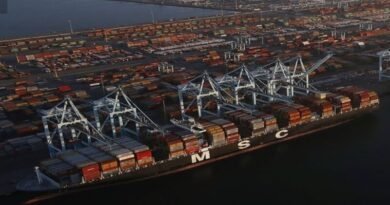
Emphasizing the importance of maritime logistics, Jawad said nearly 95 percent of Pakistan’s international trade is transported through sea routes. However, dependence on foreign shipping companies continues to result in significant foreign exchange outflows.
He called for policy incentives to expand Pakistan’s merchant fleet, encourage ship ownership and leasing, and strengthen domestic shipbuilding and ship repair industries.
“The shipbuilding industry can create thousands of skilled jobs while stimulating demand across engineering, steel, fabrication, electronics and logistics sectors,” he said.
Jawad cited the examples of South Korea, Singapore, China and Türkiye, noting that sustained policy support and targeted incentives helped transform their maritime industries into major economic drivers.
Gwadar Port Positioned as Regional Logistics Hub
The PBF chief stressed that Gwadar should be viewed primarily as an economic opportunity with the potential to become a regional centre for logistics, warehousing, transshipment and industrial activity.
He said the port city could serve as a strategic gateway linking South Asia, Central Asia, the Middle East and western China.
To realize this vision, Jawad urged budget allocations for transport connectivity, industrial zones, logistics infrastructure, water supply projects, digital connectivity and workforce development programs tied to Gwadar’s growth.
Expanding Maritime Investment and Coastal Tourism
Jawad also called for a stronger international outreach strategy led by the Ministry of Maritime Affairs to promote Pakistan’s maritime investment opportunities through roadshows, investment forums and business delegations across the Gulf region, Europe, East Asia and North America.
He emphasized that the maritime sector could generate substantial employment opportunities for Pakistan’s youth in fisheries, shipping, logistics, tourism, engineering, hospitality, transportation, shipbuilding, port operations and marine services.
Coastal tourism was identified as another largely untapped growth area, with destinations such as Kund Malir, Ormara, Pasni, Astola Island, Jiwani and Gwadar offering significant potential.
The PBF recommended budgetary support for tourism infrastructure, environmental protection initiatives, hospitality training and investor facilitation programs, alongside tax incentives and public-private partnerships.
Sustainability and Renewable Energy Key to Long-Term Growth
Jawad stressed that environmental sustainability must remain central to blue economy development, warning that illegal fishing, marine pollution, coastal degradation and climate-related risks threaten long-term resource security.
He also advocated greater investment in offshore renewable energy projects, including wind and tidal power, to strengthen national energy security and reduce dependence on imported fuels.
The PBF’s proposed 12-point budget framework includes a Rs30 billion Blue Economy Development Fund, tax incentives for investors, support for shipbuilding industries, seafood processing infrastructure, coastal tourism zones, accelerated Gwadar development, offshore renewable energy projects, marine conservation programs, a national maritime investment strategy, public-private partnerships and increased funding for maritime education and research.
“The challenge is not the lack of opportunity,” Jawad said. “The real challenge is transforming potential into policy, policy into investment, and investment into sustainable economic growth. Pakistan’s sea-based economy is one of the nation’s greatest assets, and now is the time to invest in it.”