Maritime Environment Policy and Law

This category focuses on policies, legal frameworks, and regulatory developments aimed at protecting the marine environment and promoting sustainable maritime activities. It covers national and international maritime environmental laws, IMO conventions, marine pollution prevention, climate change regulations, carbon reduction strategies, and compliance with environmental standards in shipping and port operations.

The section also features analysis of environmental governance, ocean protection policies, maritime environmental impact assessments, coastal and marine resource management laws, and legal responses to emerging challenges such as low-carbon fuels, biodiversity conservation, and ocean pollution. It serves as an essential resource for policymakers, legal professionals, researchers, and maritime stakeholders engaged in advancing environmentally responsible and legally compliant maritime practices.

Maritime Environment Policy and Law

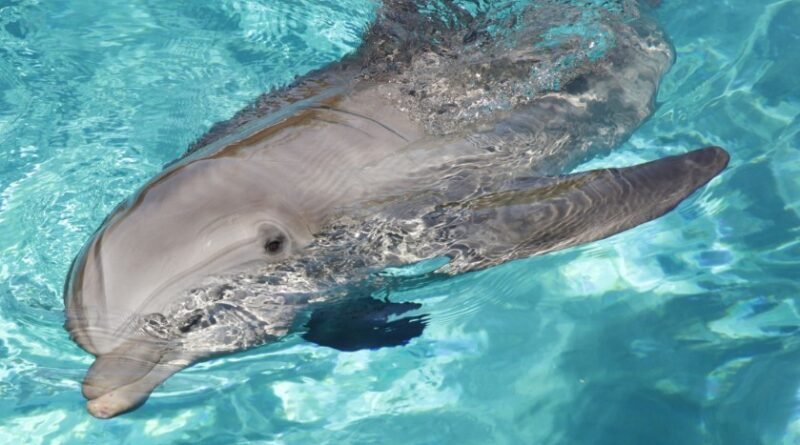
China’s Yangtze River Fishing Ban Sparks Comeback of Endangered Finless Porpoises

China’s decade-long fishing ban along the Yangtze River is showing measurable ecological results, with the population of the endangered Yangtze finless porpoise beginning to recover after years of decline caused by overfishing, heavy shipping traffic, and rapid industrial development along Asia’s longest river. Conservation groups and environmental authorities say the rebound is one of the most significant biodiversity recovery stories linked to China’s large-scale river restoration policies.

Read More
Maritime Environment Policy and Law

IMO and Paris MoU Strengthen Port State Control Transparency with Updated Data-Exchange Agreement

In a significant move to enhance Port State Control (PSC) transparency and cooperation, the International Maritime Organization (IMO) and the Paris Memorandum of Understanding on Port State Control (Paris MoU) signed an updated data-exchange agreement at IMO Headquarters in London on 26 February.
The agreement, formalized by IMO Secretary-General Arsenio Dominguez and Paris MoU Secretary-General Luc Smulders, aims to strengthen global maritime cooperation and improve information sharing, making ship inspections more effective worldwide.

Read More
Maritime Environment Policy and Law

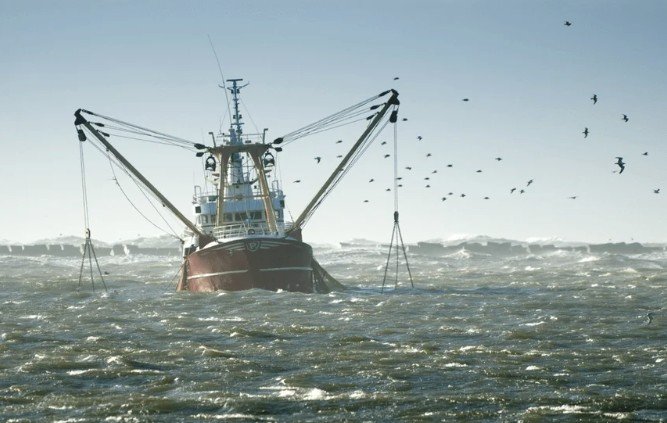
Climate Change in the Arctic Threatens Greenland Fishing Industry as Melting Sea Ice Forces Traditional Fishers toward Boat Fishing

Rapid climate change in the Arctic region is reshaping the traditional fishing industry in Greenland, as melting sea ice forces local fishers to abandon centuries-old ice fishing practices and move toward boat-based or commercial fishing methods.

Fisherman Helgi Áargil says fishing conditions in Greenland’s fjords have become increasingly unpredictable. Spending several days at sea with his dog while navigating the icy waters under the Northern Lights, Áargil says each trip can either bring a major catch worth around 100,000 Danish kroner (about €13,400) or result in no catch at all.

Read More
Maritime Environment Policy and Law

Trinidad and Tobago Strengthens Marine Spill Response for Hazardous and Noxious Substances

Trinidad and Tobago has enhanced its national preparedness for hazardous and noxious substance (HNS) marine spills following a three-day national workshop held in Port of Spain from 23–25 February 2026. The initiative focused on building technical expertise, improving coordination, and sharing best practices for effective management of marine pollution incidents.

Read More
Maritime Environment Policy and Law

New Emission Control Areas Introduced in Canadian Arctic and Norwegian Sea to Reduce Shipping Pollution

As of 1 March 2026, the Canadian Arctic and the Norwegian Sea officially became Emission Control Areas (ECAs) under MARPOL Annex VI, introducing stricter limits on sulphur oxide (SOx), nitrogen oxide (NOx), and particulate matter (PM) emissions from ships. These new regulations aim to significantly reduce air pollution from maritime traffic in sensitive Arctic and Northern European waters.

Read More
Maritime Environment Policy and Law

Ocean Warming Linked to Nearly 20% Annual Fish Biomass Decline, Global Study Finds

Chronic ocean warming is driving a sustained annual decline of nearly 20% in fish biomass across major marine regions, according to new research published in Nature Ecology & Evolution.

The study, conducted by scientists from the Museo Nacional de Ciencias Naturales (MNCN-CSIC) and the National University of Colombia, analyzed 702,037 biomass change estimates from 33,990 fish populations recorded between 1993 and 2021 across the Northern Hemisphere.

Read More
Maritime Environment Policy and Law

MarinePALS CEO Presses for Practical Safe Manning Reform as IMO Reopens Seafarer Fatigue Discussions

As the International Maritime Organization prepares to reopen discussions on seafarer fatigue and hours of work at the 12th session of its Sub-Committee on Human Element, Training and Watchkeeping (HTW 12), MarinePALS CEO Captain Pradeep Chawla has called for a realistic reassessment of global manning scales, warning that growing workloads and stricter compliance demands are not being matched by adequate crew numbers.

Read More
Maritime Environment Policy and Law

Kongsberg Maritime Signs MoU with PT PAL to Boost Energy Efficiency and Decarbonisation in Indonesia

Kongsberg Maritime has signed a Memorandum of Understanding (MoU) with PT PAL Indonesia, the country’s largest state-owned shipyard, to advance energy efficiency and decarbonisation in the maritime sector. The signing ceremony was held at PT PAL’s headquarters in Surabaya on February 26, 2026, and attended by representatives from both companies and the Norwegian Ambassador to Indonesia, Rut Krüger Giverin.

Read More
Maritime Environment Policy and Law

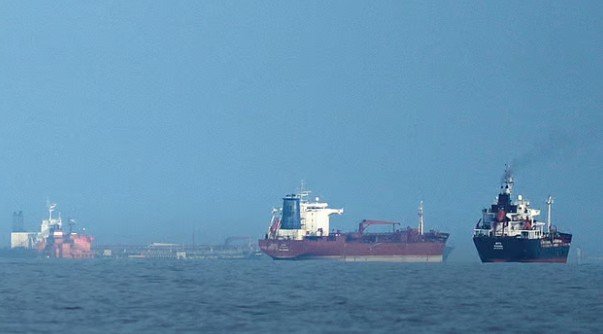
Cameroon announces Crackdown as 13% of Sanctioned Dark Fleet Tankers Fly Its Flag

Cameroon has announced a sweeping crackdown on its ship registry after becoming a major flag state for sanctioned shadow fleet tankers, which now account for 13% of all sanctioned vessels broadcasting their flag via AIS in 2026.
The Government of Cameroon has pledged to deregister all shadow fleet tankers following diplomatic representations from Brussels and mounting scrutiny over a surge in registrations from sanctioned and previously stateless vessels in late 2025 and early 2026. According to Windward Maritime AI™ intelligence, more than 20 vessels reflagged to Cameroon in the past 30 days, and 43 in the past 60 days. Most of these tankers were previously flagless or stateless after using fraudulent registries or being removed by other flag administrations under international pressure.

Read More
Maritime Environment Policy and Law

Scientists Discover Globe-Trotting Marine ‘Sea Monsters’ that Lived 250 Million Years Ago after Mass Extinction

The arid plains of the Kimberley region in Western Australia may seem far removed from the sea today, but around 250 million years ago the landscape was submerged beneath a shallow bay teeming with early marine life. New research has uncovered evidence that this ancient ecosystem was home to diverse, globe-trotting marine amphibians that thrived shortly after Earth’s most devastating mass extinction event.

Read More
Maritime Environment Policy and Law

Colombia, Senegal and South Africa Join IMO GreenVoyage2050 Programme to Reduce Shipping Emissions

Colombia, Senegal and South Africa have been selected as 2026 partner countries of the International Maritime Organization (IMO) GreenVoyage2050 Programme, a technical cooperation initiative supporting the implementation of the 2023 IMO Greenhouse Gas (GHG) Strategy. Under the programme, GreenVoyage2050 will assist the three countries in developing National Action Plans, which will serve as strategic roadmaps outlining national measures to reduce GHG emissions from shipping. The support provided through the GreenVoyage2050 Programme and IMO’s Integrated Technical Cooperation Programme (ITCP) will be tailored to each country’s priorities, including expert technical guidance, stakeholder engagement, and administrative coordination.

Read More
Maritime Environment Policy and Law

Barbados Advances Green Shipping Initiatives with IMO-Backed Study

Barbados is taking significant steps to reduce shipping emissions by exploring green shipping corridors. The first phase involves a pre-feasibility study commissioned by the International Maritime Organization (IMO) to identify opportunities for sustainable maritime transport. An initial online meeting on February 12 brought together the Government of Barbados and key national stakeholders, including the Maritime Transport Administration, the Ministry of Tourism and International Transport, and Barbados Port Inc., to discuss the framework of the Barbados Green Shipping Corridors: Pre-Feasibility, Policy and Regulatory Pathways study.

Read More
Maritime Environment Policy and Law

IMO Strengthens Strategy to Achieve Zero Plastic Discharge from Ships by 2030

The International Maritime Organization (IMO) has advanced its efforts to eliminate plastic pollution from ships by 2030, as its Sub-Committee on Pollution Prevention and Response agreed on an updated draft 2026 Strategy and Action Plan on Marine Litter during its 13th session at IMO Headquarters in London from 9 to 13 February 2026. The draft strategy, finalized at PPR 13, will be submitted for adoption to the Marine Environment Protection Committee (MEPC 84), scheduled to meet from 27 April to 1 May 2026.

Read More
Maritime Environment Policy and Law

UK Shipping Industry Warns of High Costs and Risks from ETS Extension to Domestic Vessels

UK shipping industry leaders have voiced strong concerns over the government’s plan to extend the UK Emissions Trading Scheme (UK ETS) to domestic maritime operations from July 1, 2026, warning that the move could raise costs, impact island communities, and undermine competitiveness without delivering significant emissions reductions. The Draft Greenhouse Gas Emissions Trading Scheme (Amendment) (Extension to Maritime Activities) Order 2026 was passed in the Commons on February 11, drawing criticism from industry groups for what they described as limited parliamentary scrutiny.

Read More