U.S. Forces Disable Cargo Vessel in Gulf of Oman amid Ongoing Maritime Security Enforcement
U.S. military forces have disabled a small cargo vessel in the Gulf of Oman after the ship allegedly failed to comply with repeated warnings and continued sailing toward an Iranian port, according to a statement issued by the U.S. Central Command (CENTCOM) on May 30.
The vessel involved was identified as the Liam Star, a 1,600-deadweight-ton (DWT) general cargo ship registered in Gambia. The vessel, owned by interests based in the UAE, was built in 1993 and measures 71 meters (233 feet) in length.
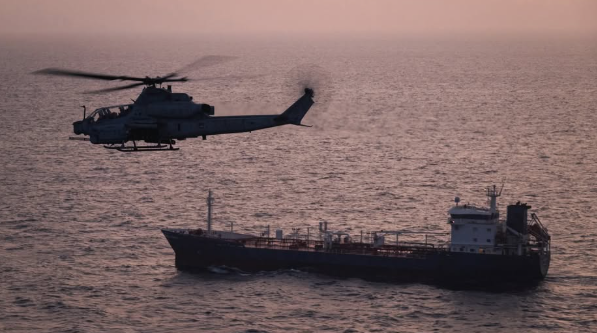
CENTCOM reported that a U.S. aircraft struck the ship’s engine room with a Hellfire missile on May 29, rendering the vessel inoperable. The military command stated that the ship’s crew failed to follow U.S. instructions despite multiple warnings.
According to CENTCOM, more than 20 warnings were issued to the vessel, informing the crew that the ship was allegedly violating the U.S.-imposed maritime blockade. Automatic Identification System (AIS) data reportedly indicated that the vessel was traveling from Pakistan to Iraq at the time of the interception.
The incident occurred as U.S. President Donald Trump posted on social media on Friday, stating that the blockade, “which will now be lifted,” was ending. Trump added that vessels stranded in the Persian Gulf could begin the process of returning home.
CENTCOM said that, as of Saturday, a total of 116 vessels had been redirected under the blockade enforcement measures. According to reports from the Associated Press, the U.S. military has so far stopped six vessels attempting to breach the blockade. CENTCOM had previously acknowledged disabling four other ships as part of its enforcement operations.
The blockade was initiated on April 17 as part of broader U.S. efforts to increase economic pressure on Iran.
Earlier on Friday, before meeting advisers in the White House Situation Room, President Trump said he would make a “final determination” regarding a reported proposal to extend the ceasefire with Iran for an additional 60 days.
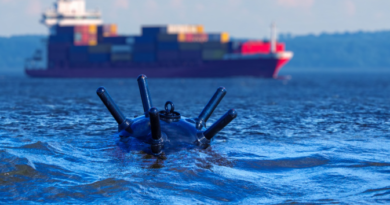
Trump outlined several conditions, including a guarantee that Iran would never obtain a nuclear weapon, unrestricted shipping access through the Strait of Hormuz without tolls, and the removal or destruction of remaining naval mines. He also stated that the United States would work with the International Atomic Energy Agency (IAEA) to remove and destroy enriched uranium from underground stockpiles in Iran.
The U.S. president further stated that no financial exchanges would take place “until further notice.” However, he made no reference to easing existing sanctions on Iran.
The White House later confirmed that the Situation Room meeting had concluded but released no further details. Iranian officials continued to maintain that no agreement had been reached.
Read More:Bulk Carrier Attacked by Small Boats in Strait of Hormuz amid Rising Maritime Tensions
The disabled cargo ship remains adrift, according to reports, and U.S. forces have not boarded the vessel.