
Insights,Updates,and Maritime Intelligence

The maritime news that truly matters

The latest news in your inbox daily.

Maritime Trade & Economy

US Senate Farm Bill Advances Seafood Industry Support, Expands Commercial Fishing Loan Access and Strengthens Coastal Economies

The U.S. Senate Agriculture Committee has unveiled new Farm Bill language that could significantly strengthen support for America’s commercial fishing sector, a move that industry leaders say reflects growing recognition of seafood’s role in the nation’s food system, food security, and coastal economies.

Read More
Maritime Environment Policy and Law

Endangered Fin Whale Found on Cruise Ship Bow in Alaska, Investigation Underway

Government regulators and marine scientists are investigating the death of an endangered fin whale that was carried into the Alaska port of Seward on the bow of a cruise ship on Friday.
The dead female whale, measuring 61 feet in length and reportedly appearing to be pregnant, was removed by local responders and transported to a nearby beach for further examination, according to the National Oceanic and Atmospheric Administration (NOAA).

Read More
Maritime Safety , Security and Technology

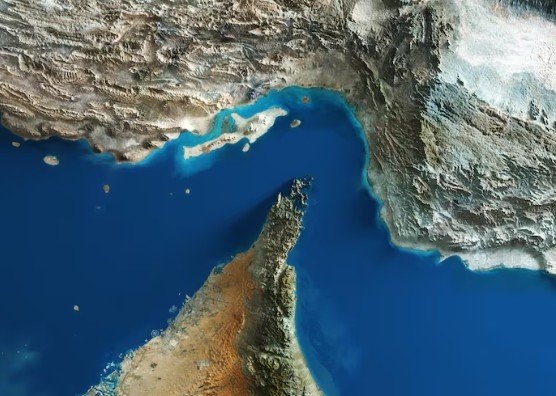
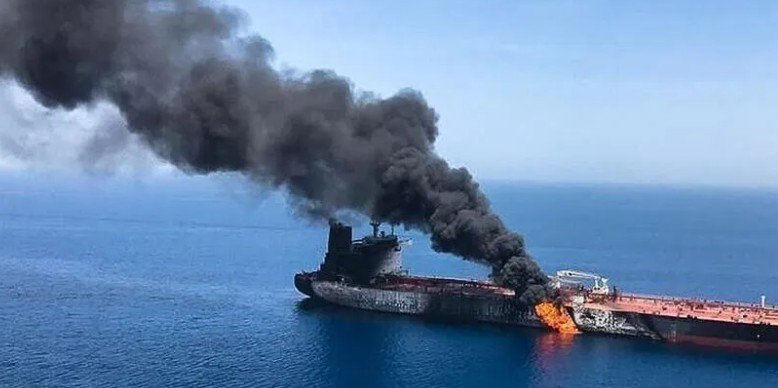
US-Iran Talks Advance as Oil Sanctions Ease and Strait of Hormuz Shipping Security Takes Center Stage

The first round of direct negotiations between the United States and Iran has delivered significant developments for global shipping, energy markets, and maritime trade, with both sides reporting progress toward a broader peace agreement. While key differences remain unresolved, the talks have already resulted in a temporary easing of sanctions on Iranian oil exports and the reopening of communication channels aimed at safeguarding commercial navigation through the Strait of Hormuz.

Read More
Maritime Trade & Economy

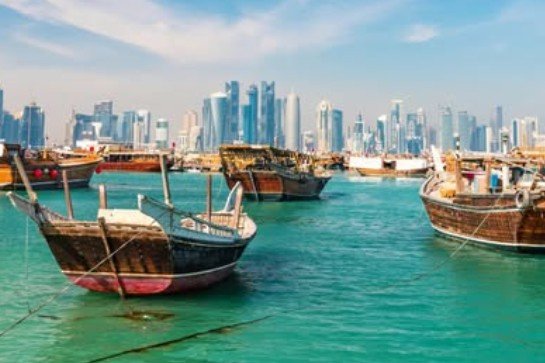
Qatar Moves LNG Tankers through Strait of Hormuz as Global Gas Market Watches Export Recovery

Qatar has begun moving more empty liquefied natural gas (LNG) carriers through the Strait of Hormuz, signaling preparations to restore exports from one of the world’s largest LNG hubs after weeks of disruption linked to regional tensions.

Four LNG vessels owned by Qatar’s shipping arm or operating under long-term charter agreements are currently transiting the strategic waterway, according to ship-tracking data. If the vessels complete the passage successfully, it would represent the largest single-day movement of empty Qatar-linked LNG carriers through the Strait of Hormuz since the conflict began more than three months ago.

Read More
Maritime Environment Policy and Law

Scientists Explore Gene Editing to Build Climate-Resilient Kelp Forests and Protect Ocean Ecosystems

Scientists in New South Wales are exploring the potential of genetic editing technology to help kelp species survive the increasing impacts of climate change, in a research initiative supported by an international conservation grant.

The project, led by researchers from the New South Wales Department of Primary Industries and Regional Development (DPIRD), has received funding from US-based wildlife conservation organisation Revive & Restore to investigate how genetic traits could improve kelp resilience against rising ocean temperatures.

Read More
Ports and Shipping

Norway Invests $130 Million in Green Shipping as Zero-Emission Vessel Orders Accelerate

Norway is strengthening its position as a global leader in sustainable maritime transport after awarding more than $130 million in grants to support the construction of ten new zero-emission vessels. The funding was announced through Enova, Norway’s state-backed energy innovation agency, and will help accelerate the country’s transition toward cleaner shipping technologies.

Read More
Maritime Safety , Security and Technology

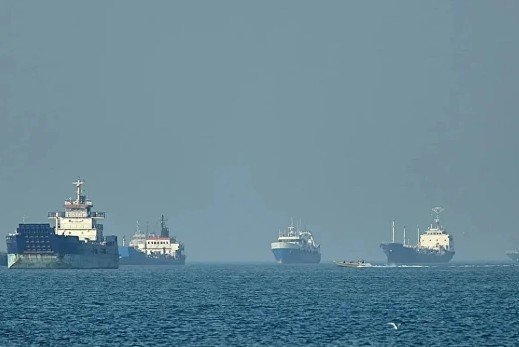
Oil Tanker Traffic through Strait of Hormuz Rebounds after US-Iran Ceasefire, but Shipping Industry Faces New Uncertainty

The flow of oil shipments through the Strait of Hormuz increased on Friday following the signing of a ceasefire agreement between the United States and Iran, offering a temporary boost to global energy markets. However, growing concerns over new Iranian transit requirements and potential shipping fees continue to raise questions for tanker operators, oil traders, and maritime stakeholders.

Read More