Insights,Updates,and Maritime Intelligence

The maritime news that truly matters

The latest news in your inbox daily.

Maritime Environment Policy and Law

Dar es Salaam Port Goes Digital: IMO Launches Maritime Single Window to Boost Shipping Efficiency, Trade & Logistics

A major push toward smart port digitalization and global shipping efficiency is underway as the International Maritime Organization advances plans to implement a Maritime Single Window (MSW) system at the Port of Dar es Salaam, one of East Africa’s busiest maritime trade hubs. The initiative is part of a broader effort to modernize port operations, reduce vessel turnaround time, and strengthen global maritime logistics and trade facilitation.

Read More
Maritime Safety , Security and Technology

Iran Missile & Drone Strike on U.S. Base in Saudi Arabia Injures 12 Troops, Exposes Air Defense Gaps and Raises Middle East Security & Oil Market Risks

A major escalation in the ongoing Middle East conflict and global energy security crisis unfolded after Iran launched a coordinated missile and drone strike on a key United States Armed Forces installation in Saudi Arabia, injuring 12 American troops, including two in serious condition. The attack targeted Prince Sultan Air Base and is being described by officials as one of the most significant breaches of advanced U.S. air defense systems during the monthlong war, raising concerns over regional stability, oil supply routes, and global geopolitical risk.

Read More
Maritime Safety , Security and Technology

China Delivers First Domestically Blended Marine Biofuel to Qingdao for Bunkering, Accelerating Green Shipping Market

China has achieved a major breakthrough in the global maritime energy transition and green shipping fuel market with the delivery of its first batch of domestically blended marine biofuel for bunkering operations at Qingdao Qianwan Port, signaling a strong push toward low-carbon shipping, sustainable fuel adoption, and high-efficiency maritime logistics.

Read More
Maritime Safety , Security and Technology

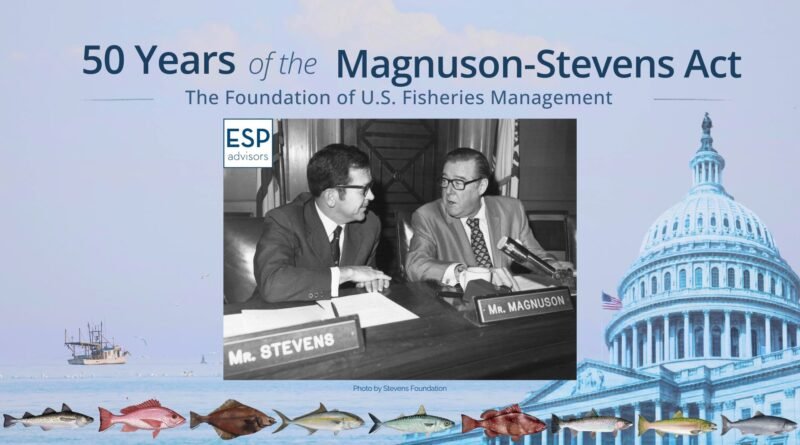
South Pacific Squid Fishery Faces Stricter Oversight as Regulators Act to Protect Jumbo Flying Squid Stocks

The rapidly expanding jumbo flying squid (Dosidicus gigas) fishery in the South Pacific is prompting urgent action from regional authorities as environmental and economic pressures mount. At the recent annual meeting of the South Pacific Regional Fisheries Management Organization (SPRFMO), members focused on managing one of the world’s largest squid fisheries across roughly 59 million square kilometers of high seas, an area twice the size of Africa. The surge in squid-jigging vessels,from 14 in 2000 to over 500 last year, predominantly Chinese-flagged,has coincided with a sharp decline in reported catches, dropping from over 1 million metric tons in 2014 to approximately 600,000 metric tons in 2024. Scientists warn that overfishing risks depleting squid stocks, threatening the long-term sustainability of this key marine resource.

Read More
Maritime Safety , Security and Technology

Adani Ports Launches India’s First Port of Refuge, Strengthening and Global Shipping Security

India has taken a major step in maritime safety and emergency response with the operationalization of its first Port of Refuge (PoR), announced by Adani Ports and Special Economic Zone Ltd (APSEZ) on Friday. The initiative addresses a long-standing gap in coastal emergency infrastructure, providing a structured mechanism for handling ships in distress along India’s extensive 11,000-kilometre coastline and critical global shipping routes.

Read More
Ports and Shipping

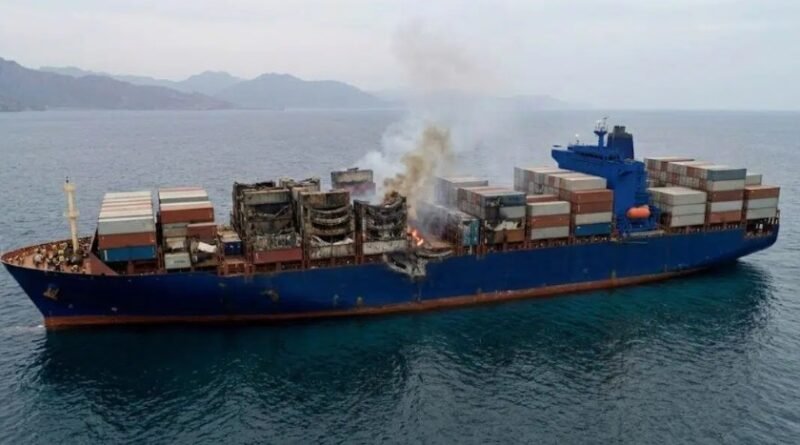
BIMCO: 130 Container Ships Stranded in Persian Gulf as Iran Conflict Disrupts Global Shipping & Strait of Hormuz Trade

Around 130 container ships are currently stranded in the Persian Gulf, severely disrupting global maritime logistics and container shipping operations, according to the latest BIMCO Container Shipping Market Overview & Outlook, March 2026. The crisis follows the onset of attacks on Iran on February 28, effectively halting transits through the Strait of Hormuz and isolating key Persian Gulf ports from major global trade routes. This disruption impacts roughly 1.5% of the world’s container fleet capacity, while nearly 10% of the global container fleet is indirectly affected due to the interconnectedness of regional trade with Pakistan, India, and other Asian ports.

Read More
Maritime Safety , Security and Technology

Pakistan-China Naval Exercise SEA GUARDIAN 2026 Boosts Maritime Security, CPEC Strategy and Indo-Pacific Defense Cooperation

Pakistan and China have launched a high-profile bilateral naval exercise in Karachi, reinforcing growing defense ties and maritime security cooperation in the strategically vital Arabian Sea shipping corridor. The joint drill, named SEA GUARDIAN, began as a Chinese warship arrived at Karachi port under a ceremonial escort by the Pakistan Navy, marking another milestone in expanding Pakistan-China military collaboration, naval interoperability, and Indo-Pacific maritime security strategy.

Read More
Maritime Safety , Security and Technology

UAE Signals Support for Multinational Naval Coalition to Secure Strait of Hormuz and Protect Global Energy Supply

The United Arab Emirates has indicated readiness to join a multinational maritime security force aimed at reopening the Strait of Hormuz, a critical global energy corridor currently facing severe disruption.
According to reports, the UAE has engaged with the United States and key Western allies to support the creation of a joint naval coalition designed to safeguard international shipping lanes, ensure maritime security, and stabilize global oil and LNG supply chains. The proposed initiative, informally referred to as a “Hormuz Security Force,” would focus on escorting commercial vessels and deterring threats in one of the world’s most strategically important chokepoints.

Read More
Maritime Trade & Economy

Strait of Hormuz Shipping Crisis: Tankers Seek Iranian Clearance as War Risk Insurance Costs Surge and Maritime Trade Faces Disruption

Rising geopolitical tensions in the Strait of Hormuz are reshaping global shipping routes, as vessels increasingly require coordination with Iran authorities to safely transit one of the world’s most critical oil corridors.
Shipowners navigating the vital oil trade route are facing unprecedented challenges, including surging war risk insurance premiums, heightened maritime security threats, and stricter transit controls. The evolving situation is forcing global shipping companies to reassess voyage planning, operational costs, and crew safety.

Read More
Maritime Safety , Security and Technology

Saudi Arabia Boosts Maritime Security, Seafarer Protection and Global Trade Stability amid Strait of Hormuz Tensions

Saudi Arabia has reaffirmed its strong commitment to maritime safety, seafarer protection, and global shipping security during the 50th session of the International Maritime Organization Facilitation Committee.
The Kingdom emphasized the urgent need to safeguard international shipping routes and maritime navigation, particularly amid rising threats in the Strait of Hormuz and surrounding regions.

Read More
Maritime Safety , Security and Technology

Asia Pacific Maritime 2026 Showcases $Billion Maritime Technology, Hybrid Vessels & Offshore Wind Growth

Singapore: Asia Pacific Maritime (APM) 2026 opened with a record-breaking turnout, positioning itself as a leading global maritime technology and shipping industry event driving innovation in hybrid vessels, offshore wind support ships, and sustainable marine solutions.

Held at Marina Bay Sands, the 19th edition features 819 exhibitors and 20 international pavilions, spanning six exhibition halls. The event highlights fast-growing sectors such as marine engineering, shipbuilding technology, alternative fuels, and digital transformation in shipping, key areas attracting high-value global investment and advertising spend.

Read More
Editorial

Op-Ed: Methanol, Ethanol, and Biofuels: Steering the Maritime Industry toward Energy Resilience

The maritime sector is at the crossroad of energy in a world that is becoming increasingly unpredictable geopolitically and whose global supply chains are becoming increasingly fragile. The reliance on traditional petroleum fuels which are the hitherto undisputed back bone of international trade and shipping is increasingly becoming susceptible. With the tension on strategic waterways like Strait of Hormuz and the Suez Canal intensifying, the need to have stronger fuel strategies is no longer an optional measure but a strategic necessity of maritime trade. The core of change is biofuels, such as methanol, ethanol and future generation fuels based on biomass, which promise to bring a greater level of energy security and mitigate environmental impact.

Read More
Ports and Shipping

Africa Pushes Green Ports, Maritime Finance & Decarbonization Strategy at High-Level ECOWAS Summit in Abuja

Africa’s maritime sector has taken a decisive step toward green shipping, port sustainability, and climate-aligned maritime finance as the Economic Community of West African States (ECOWAS) hosts a landmark continental workshop focused on green ports guidelines, greenhouse gas (GHG) reduction, and maritime transport reform.
Jointly organized by the African Union Commission and ECOWAS, with technical backing from Deutsche Gesellschaft für Internationale Zusammenarbeit, the event brings together top policymakers, port authorities, and maritime stakeholders to accelerate decarbonization, shipping insurance readiness, and supply chain resilience across Africa.

Read More
Maritime Safety , Security and Technology

Iran Signals Conditional Strait of Hormuz Transit as Global Oil Shipping Faces Disruption

In a development with major implications for global oil markets, LNG shipping, and maritime security, Iran has informed the United Nations Security Council and the International Maritime Organization that “non-hostile vessels” may continue to transit the strategically vital Strait of Hormuz, provided they coordinate with Iranian authorities.
According to a diplomatic note sent by Iran’s Ministry of Foreign Affairs and circulated among IMO member states, vessels that do not participate in or support actions against Iran, and that comply with declared maritime safety and security protocols, will be allowed safe passage through one of the world’s most critical oil shipping lanes.

Read More